The Best Homemade Spaghetti Squash Recipe Spaghetti
Recipe
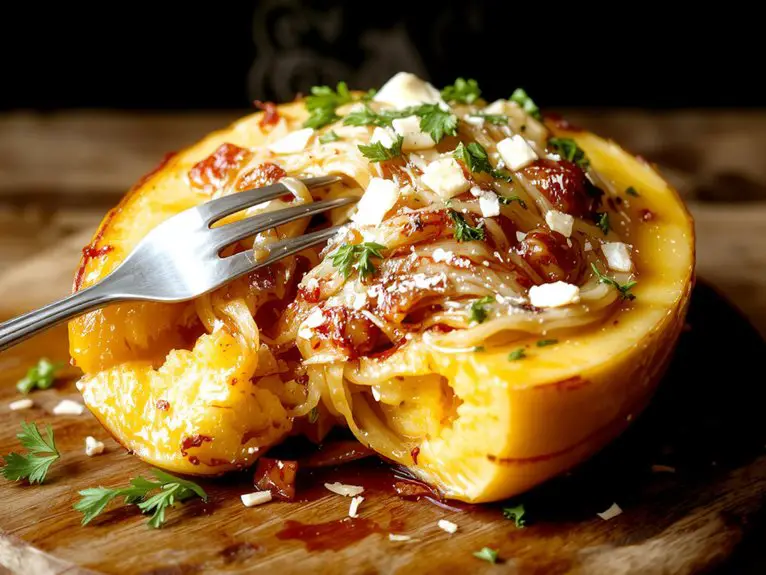
Let me tell you straight up: this spaghetti squash recipe is a total game-changer for anyone looking to lighten up their meals without sacrificing flavor. It’s one of those dishes that surprises you—sweet, nutty, and packed with just the right amount of savory goodness.
What makes it special? It’s all about roasting the squash to caramelized perfection, then tossing it with garlicky olive oil, fresh herbs, and a sprinkle of Parmesan for that irresistible chew.
The texture? Think tender, stringy ribbons that hold onto every bit of flavor. Seriously, it’s so good, you might forget it’s actually healthy.
Grab a fork—you’re about to fall in love with how easy and delicious this veggie masterpiece is. Let’s get cooking!
Ingredients
Spaghetti squash is the star here—its natural strands make the perfect low-carb pasta substitute. Choosing the right ingredients guarantees a dish that’s flavorful but not heavy, with room for customization.
The Essentials:
- 1 medium spaghetti squash – Look for firm, unblemished skin. Smaller squashes (2-3 lbs) have sweeter, more tender strands.
- 2 tbsp olive oil – A good glug coats the squash evenly and helps it caramelize. Don’t skimp—this adds depth.
- Kosher salt & black pepper – Season generously before roasting to amplify the squash’s natural sweetness.
Flavor Boosters (Pick Your Favorites):
- 3 garlic cloves, minced – Fresh is non-negotiable for that punchy aroma. Powder won’t cut it here.
- 1/4 tsp red pepper flakes – Adds a subtle kick. Swap with smoked paprika for a smoky twist.
- 1/2 cup grated Parmesan – Freshly grated melts better than pre-shredded. Vegan? Nutritional yeast works too.
Optional Upgrades:
- Fresh herbs (basil, parsley, or thyme) – Toss in after roasting for brightness.
- Lemon zest – A pinch lifts the richness of the cheese.
- Toasted pine nuts or walnuts – For crunch. No nuts? Try sunflower seeds.
Pro Tip: Roast the squash cut-side down to trap steam—this keeps the strands moist and easy to scrape.
How to Make the Best Recipe Name Accuracy
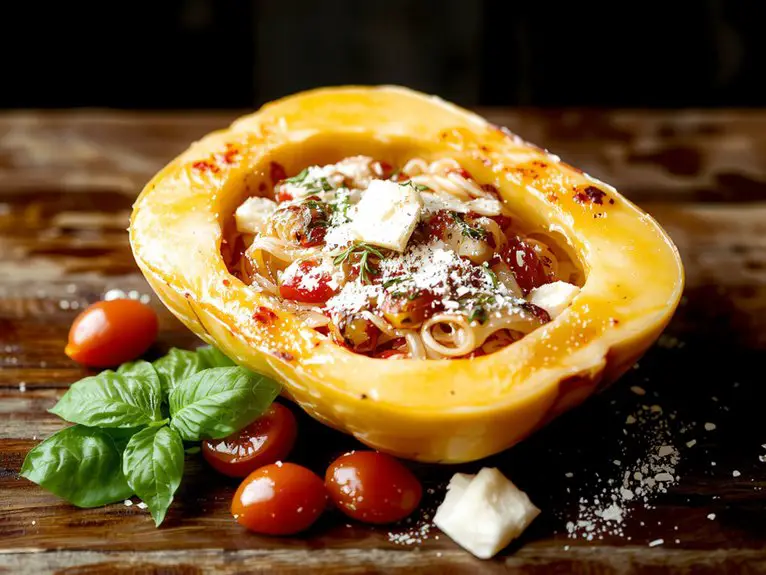
- Preheat your oven to 400°F (205°C). This guarantees the oven is at the correct temperature when you’re ready to bake, which is essential for even cooking and achieving that ideal caramelized edge.
- Cut the spaghetti squash in half lengthwise. Use a sharp chef’s knife and steady pressure—this can be challenging, so take your time. Scoop out the seeds and fibrous strands with a spoon to create a clean cavity. Pro tip: a serrated grapefruit spoon works wonders for this step!
- Brush the inside of each squash half with olive oil and season generously with salt and pepper. This not only adds flavor but also helps the squash caramelize and soften evenly. Don’t be shy—seasoning is key!
- Place the squash halves cut-side down on a baking sheet lined with parchment paper. Baking them cut-side down traps steam, which helps cook the squash evenly and keeps it moist.
- Roast for 40-45 minutes, or until the flesh is tender and easily shreds with a fork. Check doneness by piercing the skin with a fork—it should glide through without resistance. If it’s still firm, give it a few more minutes.
- Let the squash cool slightly before handling. This makes it easier to shred and prevents burns. Use a fork to scrape the flesh into spaghetti-like strands—it’s satisfying work!
- Toss the shredded squash with your favorite sauce or toppings. Whether it’s marinara, pesto, or a drizzle of olive oil and Parmesan, this step transforms the squash into a delicious, customizable dish. Pro tip: gently reheat the strands in a skillet for a firmer texture.
- Serve immediately and enjoy! This dish is best fresh, so dig in while it’s warm and flavorful. Leftovers can be stored in an airtight container for up to 3 days and reheated for another quick meal.
Nutrition
Spaghetti squash is a nutritious low-calorie alternative to traditional pasta. Here is the nutritional breakdown per one-cup serving:
Calories: 42
Total Fat: 0.4g
Saturated Fat: 0.1g
Sodium: 28mg
Carbohydrates: 10g
Fiber: 2.2g
Sugars: 3.9g
Protein: 1g
Vitamin C: 4.7mg
Calcium: 33mg
Iron: 0.5mg
Chef Tips
When preparing spaghetti squash, I always make sure to roast it properly to enhance its texture and flavor. Cut it in half lengthwise, scoop out the seeds, and drizzle with olive oil, salt, and pepper.
Roast cut-side down at 400°F for 30-40 minutes until tender. Use a fork to scrape out the strands—they’ll separate easily.
Don’t overcook, or it’ll turn mushy.
Frequently Asked Questions
Can I Freeze Cooked Spaghetti Squash?
Yes, I can freeze cooked spaghetti squash. First, I make sure it’s cooled completely, then I portion it into airtight containers or freezer bags. I squeeze out excess air to prevent freezer burn. It lasts up to 3 months.
How to Select the Best Spaghetti Squash?
I look for a firm spaghetti squash with smooth, unblemished skin and a deep yellow color. It should feel heavy for its size, and I avoid any with soft spots or green patches.
Is Spaghetti Squash Keto-Friendly?
Yes, spaghetti squash is keto-friendly because it’s low in carbs and high in fiber. I’ve used it as a pasta substitute to stay within my macros, and it’s great for keeping meals satisfying and low-carb.
What Replaces Spaghetti Squash for Allergies?
If I’m allergic to spaghetti squash, I’d swap it with zucchini noodles, shirataki noodles, or spiralized carrots. They’re low-carb and versatile, so I can use them in place without sacrificing texture or flavor in my dishes.
Can I Grow Spaghetti Squash at Home?
I can grow spaghetti squash at home if I’ve got space and sunlight. It’s a warm-weather plant, so I’ll need fertile soil, regular watering, and patience—it takes about 90-100 days to mature.


