The Best Homemade Stew Recipe
Recipe
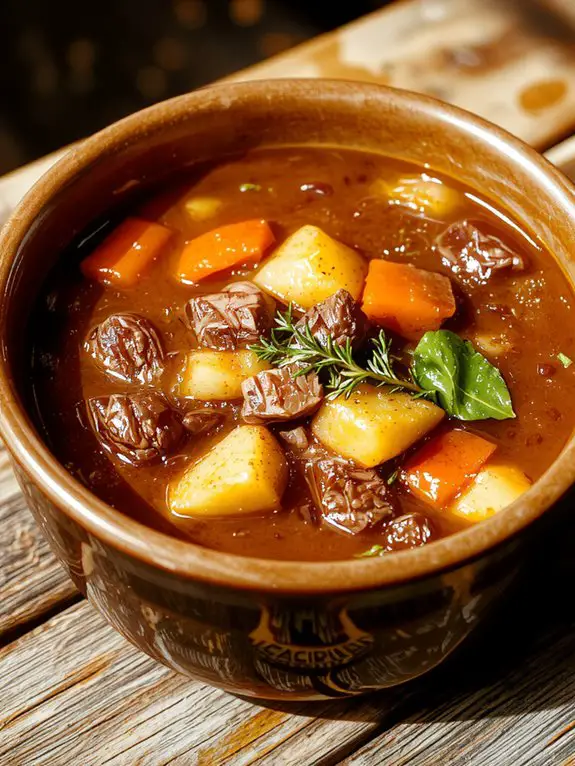
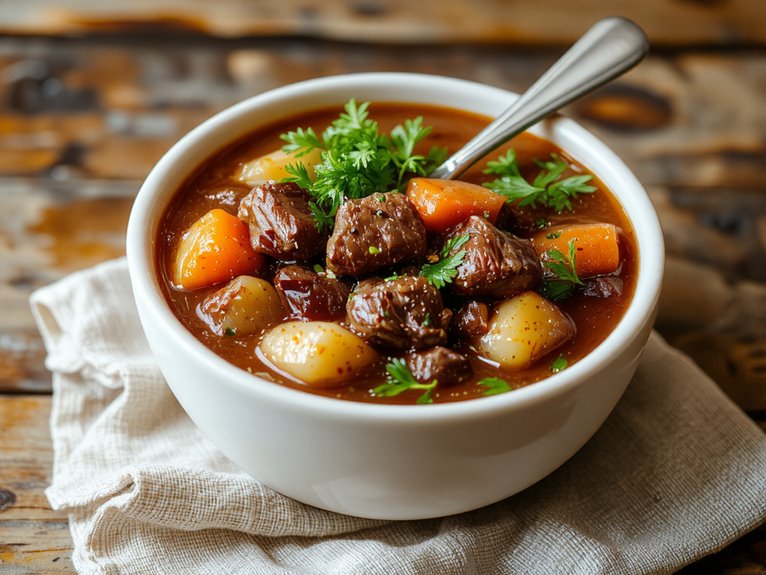
There’s something magical about a homemade stew—it’s the kind of dish that wraps you in warmth and comfort with every spoonful.
This recipe? It’s the real deal, the one I turn to when I need a meal that feels like a hug.
Packed with tender chunks of meat, hearty vegetables, and a rich, savory broth that’s simmered to perfection, this stew is guaranteed to become a staple in your kitchen.
The secret? A splash of red wine and a slow simmer that lets every flavor meld into something unforgettable.
Imagine pulling apart melt-in-your-mouth beef, carrots that still have a slight bite, and potatoes so soft they practically dissolve on your tongue.
Trust me, once you try this, you’ll never go back to store-bought shortcuts.
Let’s get cooking—your next cozy night in starts here.
Ingredients
The key to a hearty homemade stew lies in the quality and balance of its ingredients. Start with a solid base of aromatics and proteins, then layer in vegetables and seasonings to build depth of flavor. Don’t shy away from substitutions—this recipe is forgiving and adaptable. Here’s what you’ll need:
Protein
- Beef chuck or stew meat (cut into chunks): This cut stays tender and flavorful during long cooking. Swap with lamb or chicken thighs if preferred.
- Bacon (optional): Adds a smoky richness—worth it if you have it on hand.
Aromatics
- Onion (chopped): Essential for building flavor. Use yellow or white varieties.
- Garlic (minced): Fresh is best, but garlic powder works in a pinch.
Vegetables
- Carrots (sliced into rounds): Adds sweetness and texture.
- Potatoes (cubed): Russets or Yukon Golds hold up well. Swap with sweet potatoes for a twist.
- Celery (chopped): Classic stew staple—don’t skip it.
- Mushrooms (optional): Adds umami depth. Use cremini or button mushrooms.
Liquid
- Beef broth: Low-sodium works best to control saltiness. Chicken or vegetable broth are fine substitutes.
- Tomato paste: Concentrates flavor—worth the effort.
- Red wine (optional): Deepens richness. Substitute with extra broth if needed.
Seasonings
- Bay leaves: Adds subtle earthiness—must-have!
- Thyme (fresh or dried): Fresh is ideal, but dried works well too.
- Salt and pepper: Adjust to taste as you go.
Extras for Depth
- Worcestershire sauce: A splash adds savory complexity.
- Flour (for thickening): Essential for a rich, velvety broth. Cornstarch works as a gluten-free alternative.
Optional Garnishes
- Fresh parsley (chopped): Brightens the dish at the end.
- Crusty bread: Perfect for soaking up every last drop.
Pro Tip: Sear the meat before adding liquids—it locks in flavor and creates a richer stew base. If you’re short on time, a slow cooker works wonders for tenderizing tougher cuts.
How to Make the Best Classic Beef Stew Title
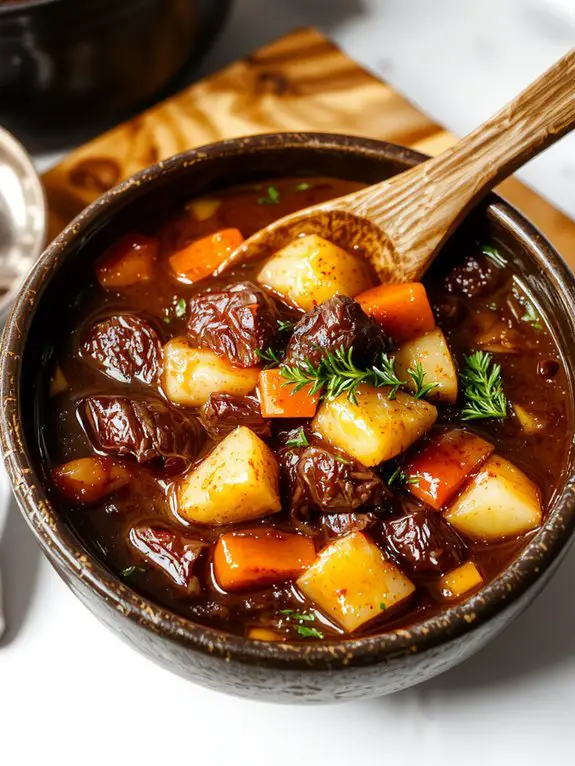
- Prepare your ingredients: Chop vegetables evenly (carrots, celery, onions) into bite-sized pieces. Cube the beef into uniform chunks for even cooking. Prepping ahead guarantees a smoother cooking process and prevents last-minute scrambling.
- Brown the beef: Heat oil in a heavy-bottomed pot or Dutch oven over medium-high heat. Season the beef generously with salt and pepper, then sear in batches until browned on all sides. This step locks in flavor and adds depth to the stew—don’t skip it!
- Sauté the aromatics: Add onions, garlic, carrots, and celery to the pot. Cook until softened, stirring occasionally to prevent burning. This builds a flavorful base for your stew.
- Deglaze the pot: Pour in a splash of broth or red wine, scraping up any browned bits from the bottom of the pot. These bits are packed with flavor and will elevate your stew.
- Simmer low and slow: Return the beef to the pot, along with broth, diced tomatoes, and herbs like thyme and bay leaves. Cover and simmer on low heat for 1.5–2 hours. Patience is key—long, slow cooking tenderizes the beef and melds flavors beautifully.
- Add potatoes: About 45 minutes before the stew is done, add cubed potatoes. This guarantees they cook through without becoming mushy.
- Adjust seasoning: Taste and adjust salt, pepper, and herbs as needed. If the stew is too thin, simmer uncovered for a few minutes to thicken.
- Serve warm: Ladle the stew into bowls and garnish with fresh parsley. Serve with crusty bread for soaking up every last drop of flavor.
Pro Tip: For extra richness, stir in a tablespoon of tomato paste or butter at the end.
Watch Out: Avoid adding potatoes too early—they’ll overcook and fall apart.
Nutrition
A hearty homemade stew packed with wholesome ingredients and rich flavors.
| Nutrition | Per Serving |
|---|---|
| Calories | 320 kcal |
| Protein | 22 g |
| Carbohydrates | 35 g |
| Fat | 10 g |
| Fiber | 6 g |
| Sodium | 480 mg |
Chef Tips
When making this stew, I always start by browning the meat well—it’s the key to building deep flavor. Don’t rush; let it sear undisturbed.
Deglaze the pan with broth or wine to lift those tasty bits. Simmer low and slow—tough cuts need time.
Skim excess fat early, but leave some for richness. Taste and adjust seasoning at the end. Fresh herbs? Add them last. Patience pays off.
Frequently Asked Questions
Can I Use a Slow Cooker for This Stew?
Yes, I can use a slow cooker for this stew. It’s perfect for tenderizing meat and blending flavors over time. I’d cook it on low for 6-8 hours or high for 3-4, adjusting seasoning at the end.
How Do I Thicken the Stew if It’s Too Watery?
I’ll thicken the stew by mixing a slurry of cornstarch and cold water, then stirring it in while it simmers. Alternatively, I’ll mash some cooked veggies or add a flour-butter paste to achieve the desired consistency.
Can I Substitute Beef With Another Protein?
Yes, I can substitute beef with chicken, pork, or even lentils if I’m looking for something different. Each protein works well, but I’ll adjust cooking times to guarantee it’s tender and flavorful in the stew.
How Long Can I Store Leftovers in the Fridge?
I’d store leftovers in the fridge for up to three to four days, making sure they’re in an airtight container. If I need longer storage, I’d freeze them for up to three months to keep them fresh.
What Sides Pair Best With This Stew?
I’d pair this stew with crusty bread for soaking up the broth, roasted veggies for a crisp contrast, or creamy mashed potatoes for comfort. A simple salad also works to balance the richness perfectly.


