The Best Homemade Tabouli Recipe
Recipe
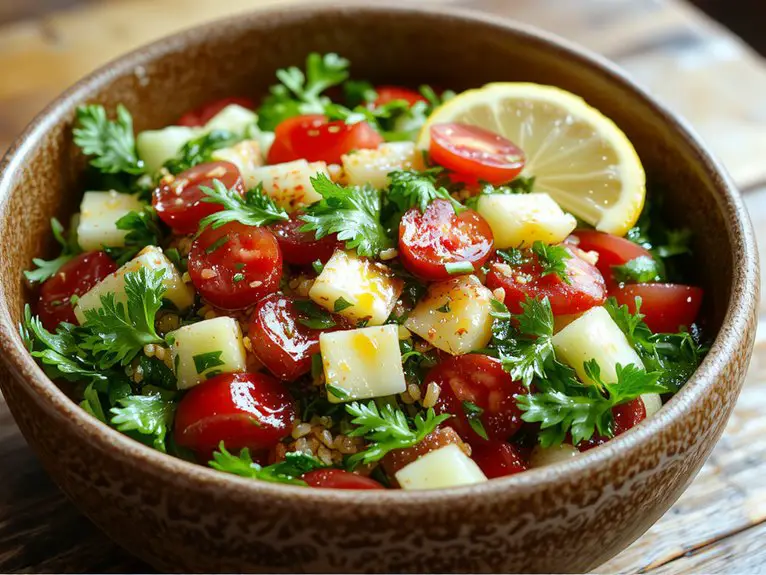
This tabouli recipe is a total game-changer—trust me, once you prepare it, there’s no going back to store-bought versions. Bursting with fresh parsley, juicy tomatoes, and zesty lemon, it’s a vibrant, tangy salad that’s as invigorating as it’s satisfying.
What makes it stand out? Using fine bulgur wheat guarantees the perfect texture—light and fluffy, never mushy. I’ve been making this for years, and it’s always the first dish to disappear at potlucks or family gatherings.
Imagine each bite: crisp cucumber, fragrant mint, and a hint of garlic tying it all together. It’s the kind of recipe that feels fancy but is actually super easy to whip up. Whether you’re a tabouli newbie or a seasoned pro, this version is going to earn a permanent spot in your recipe rotation. Let’s get chopping!
Ingredients
Tabouli is all about freshness and balance, so choosing the right ingredients is essential.
Bulgur wheat acts as the hearty base, while parsley and mint bring that vibrant, herbaceous flavor. Lemon juice and olive oil tie it all together with brightness and richness. Here’s what you’ll need – and a few clever swaps if you’re missing something.
For the Tabouli Base:
- Bulgur wheat (fine or medium grind): The star of the show; it’s nutty and absorbs flavors beautifully. Substitute with quinoa or couscous if needed.
- Fresh parsley (flat-leaf): Non-negotiable! It’s the backbone of tabouli. Curly parsley works, but flat-leaf has a milder, fresher taste.
- Fresh mint: Adds a cool, aromatic touch. Skip dried mint—it just doesn’t compare.
For the Flavor Boosters:
- Juicy tomatoes (ripe and firm): Use Roma or cherry tomatoes for sweetness. Remove seeds to avoid excess moisture.
- Green onions: Mild and crisp. Swap with red onion if you prefer a sharper bite.
- Cucumber (English or Persian): Adds crunch. Peel if desired, but it’s optional.
For the Dressing:
- Fresh lemon juice: A must for that zesty kick. Bottled juice lacks brightness.
- Extra-virgin olive oil: Use a high-quality one for richness. It’s worth the splurge.
- Salt and pepper: Adjust to taste, but don’t skimp on the salt—it brings all the flavors together.
Little Wins:
- Garlic (optional): A minced clove adds depth, but skip it if you’re not a fan.
- Sumac (optional): Sprinkle on top for a tangy, earthy finish. It’s a game-changer if you have it.
With these ingredients, you’re set to make a tabouli that’s fresh, flavorful, and downright addictive.
How to Make the Best Traditional Lebanese Tabouli Recipe
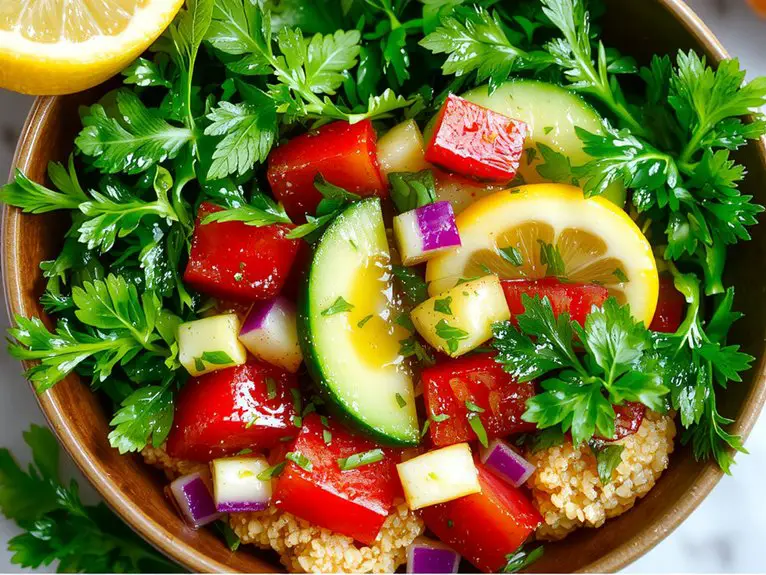
- Finely chop the parsley, removing thick stems. Use a sharp knife to prevent bruising—this keeps the herb fresh and vibrant.
- Dice the tomatoes into small, even pieces. Scoop out excess seeds and juice to avoid a soggy tabouli.
- Thinly slice the green onions, using both white and green parts for a balanced flavor.
- Drain the bulgur wheat thoroughly, pressing out excess water with a clean towel. Wet bulgur dilutes the dressing.
- Combine bulgur, parsley, tomatoes, and onions in a large bowl. Toss gently with a fork to distribute evenly—don’t crush the ingredients.
- Whisk together lemon juice, olive oil, salt, and pepper in a separate bowl. Pour over the salad gradually, tasting as you go. The dressing should be bright but not overpowering.
- Let the tabouli rest for 15 minutes before serving. This allows the flavors to meld while keeping the parsley crisp.
- Adjust seasoning just before serving. A final squeeze of lemon or pinch of salt can brighten the dish.
Pro Tips
- Use flat-leaf parsley for a milder taste compared to curly varieties.
- Toast the bulgur lightly in a dry pan for a nuttier flavor (optional).
- Add mint sparingly—1-2 tablespoons chopped for freshness without dominating.
Watch-Out Warnings
- Don’t skip draining the tomatoes—excess moisture ruins the texture.
- Avoid over-dressing—start with half, then add more as needed.
- Serve immediately if possible; leftovers lose crispness but still taste great the next day.
Nutrition
Tabouli is a nutrient-rich dish packed with fresh herbs and vegetables.
Here is the nutritional breakdown per serving:
Calories: 120
Fat: 6g
Carbohydrates: 15g
Protein: 3g
Fiber: 4g
Sodium: 150mg
Chef Tips
When making tabouli, I always recommend using the freshest ingredients; they’ll elevate the flavor and texture dramatically.
Chop parsley finely—don’t bruise it.
Soak bulgur just until tender, not mushy.
Balance lemon juice and olive oil carefully; taste as you go.
Let it rest 30 minutes before serving to meld flavors.
Skip shortcuts—fresh mint, ripe tomatoes, and crisp cucumbers make all the difference.
Trust me, it’s worth the effort.
Frequently Asked Questions
Can I Use Quinoa Instead of Bulgur?
Yes, I can use quinoa instead of bulgur—it’s a great gluten-free option. Just cook it until tender, let it cool, and toss it with the rest of the ingredients. It’ll still taste fresh and flavorful.
Is Tabouli Gluten-Free?
Traditional tabouli isn’t gluten-free since bulgur contains wheat, but I can make it gluten-free by swapping bulgur for quinoa or certified gluten-free oats. Just check all other ingredients to guarantee they’re safe too.
How Long Does Tabouli Stay Fresh?
Tabouli stays fresh for about 3-4 days in the fridge if stored in an airtight container. I’ve found the parsley holds up best when kept chilled, but it loses crispness after day two. Eat it quick—it’s worth it!
Can I Add Cucumbers to Tabouli?
Absolutely, I can add cucumbers to tabouli! I think they’d bring a fresh, crisp texture and extra hydration. I’d chop them small to blend well with the parsley, tomatoes, and bulgur without overwhelming the dish.
What Herbs Can Substitute for Parsley?
I’d suggest using cilantro or mint as substitutes for parsley in tabouli. Cilantro adds a bright, citrusy flavor, while mint gives it a fresh, cool twist. You could also try a mix of both if you’d like.


