The Best Homemade Texas Sheet Cake Recipe
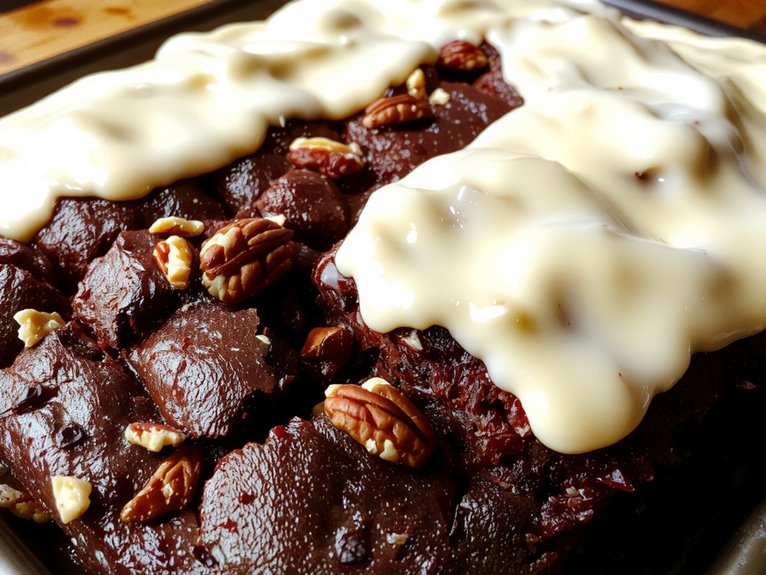
Recipe
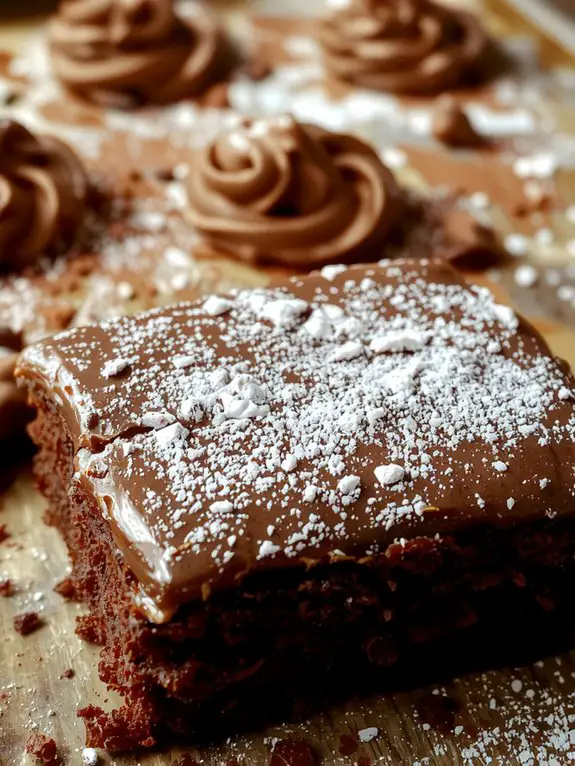
I can vouch for this Texas Sheet Cake and tell you with absolute confidence it’s going to become your go-to dessert. This isn’t just any cake—it’s a rich, chocolatey marvel with a moist, tender crumb and a glossy, melt-in-your-mouth frosting that’s impossible to resist.
The secret? A touch of buttermilk in the batter for that perfect tangy balance, and a warm, velvety icing that gets poured straight over the cake while it’s still hot, creating a dreamy, fudgy layer. Every time I make this, it disappears faster than I can slice it—whether it’s for a family gathering or just a Tuesday night treat.
Trust me, once you bake this, you’ll understand why it’s a classic. Let’s get baking—you’re about to create something unforgettable.
Ingredients
For the ultimate Texas Sheet Cake, the right ingredients are key to achieving that rich, moist texture and decadent chocolate flavor. This recipe uses pantry staples, but a few items are non-negotiable for that signature taste.
Pro tip: stick with oil instead of butter for the cake—it keeps it super moist and tender. Below is everything you’ll need, plus handy substitutions if you’re missing something.
- For the Cake:
- All-purpose flour – The foundation of the cake; don’t overmeasure to avoid dryness.
- Granulated sugar – For sweetness and moisture.
- Unsweetened cocoa powder – Use high-quality cocoa for deep chocolate flavor.
- Baking soda – Helps the cake rise.
- Salt – Balances the sweetness.
- Vegetable oil – Keeps the cake moist; can’t be substituted with butter here.
- Buttermilk – Adds tang and tenderness. No buttermilk? Mix 1 cup whole milk with 1 Tbsp vinegar or lemon juice.
- Eggs – Bind the batter and add richness.
- Vanilla extract – Enhances the chocolate flavor; use pure vanilla for best results.
- Boiling water – Activates the cocoa powder and creates a smooth batter.
- For the Frosting:
- Unsalted butter – Adds richness and a silky texture.
- Unsweetened cocoa powder – For that intense chocolate flavor.
- Powdered sugar – Creates a smooth, sweet frosting.
- Milk or cream – Adjust for desired consistency; cream makes it extra rich.
- Vanilla extract – Adds depth to the frosting.
- Extras (Optional but Worth It):
- Chopped pecans or walnuts – Sprinkle on top for a crunchy contrast.
- Mini chocolate chips – Add to the frosting for extra chocolatey goodness.
Stick to the basics, but don’t skimp on the cocoa or buttermilk—they’re the stars of this show!
How to Make the Best Texas Sheet Cake Recipe
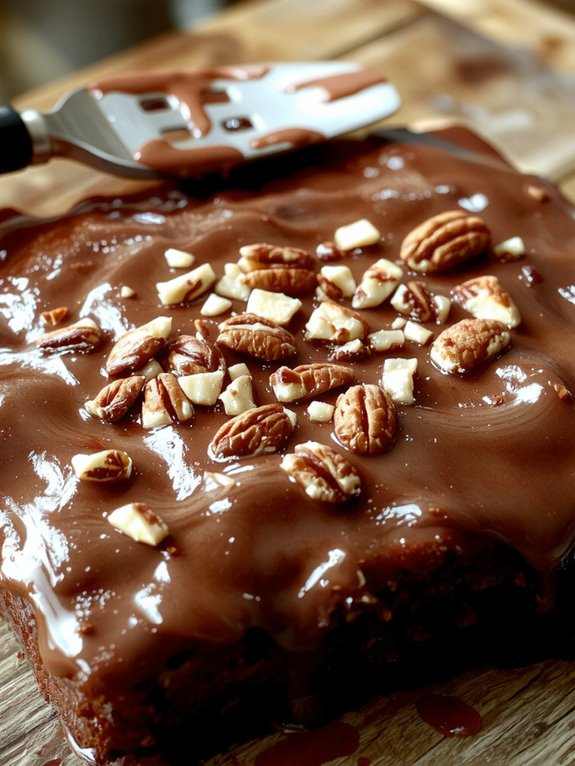
Sift together flour, baking soda, and salt – Sifting prevents lumps and guarantees even distribution of leavening agents for a tender crumb.
Gradually add dry ingredients to the wet mixture – Fold gently with a spatula until *just* combined. Overmixing leads to a dense cake.
Pour batter into the prepared pan – Spread evenly with a spatula. The batter will be thin—this is normal!
Bake for 20-25 minutes – The cake is done when a toothpick comes out clean and the edges pull away slightly from the pan.
While the cake bakes, prepare the frosting**** – Melt butter and cocoa, then whisk in milk, vanilla, and powdered sugar.
Beat until smooth and glossy.
Frost the cake warm – Pour frosting over the cake right out of the oven. It’ll soak in slightly for a fudgy texture.
Let cool completely before slicing – This sets the frosting and makes clean cuts easier.
Pro Tip: For extra richness, sprinkle chopped pecans over the frosting while it’s still wet.
Watch Out: Don’t overbake—check at 20 minutes to avoid a dry cake.
Nutrition
Nutritional analysis of a typical serving of Homemade Texas Sheet Cake:
- Calories: 300-400 kcal
- Carbohydrates: 45-55 g
- Protein: 3-5 g
- Fat: 15-20 g
- Saturated Fat: 5-8 g
- Cholesterol: 30-50 mg
- Sodium: 250-350 mg
- Fiber: 1-2 g
- Sugars: 30-40 g
Chef Tips
Even though Texas sheet cake is straightforward to make, I’ve picked up a few tricks over the years to guarantee it turns out perfectly every time.
Use room-temperature ingredients for even mixing. Sift the dry ingredients to avoid lumps.
Pour the batter quickly—it thickens fast. Frost while the cake’s warm so it soaks in.
For extra richness, swap buttermilk for regular milk.
Finally, let it cool slightly before slicing for clean edges.
Frequently Asked Questions
Can I Use a Different Type of Pan?
Yes, you can use a different pan, but it’ll affect the baking time and thickness. I’d recommend sticking to a 15×10-inch jelly roll pan for best results, though a 9×13-inch pan works if I adjust it.
How Long Does the Cake Stay Fresh?
I’d say it stays fresh for about 3 days if you keep it covered at room temperature. If you refrigerate it, it’ll last up to 5 days, but the texture might change a bit.
Can I Freeze the Cake for Later?
I’d freeze it if I wanted to save some for later. Just wrap it tightly in plastic, then foil, and it’ll keep for up to 3 months. Thaw it overnight in the fridge before serving.
Is There a Vegan Version of This Recipe?
Yes, I’ve made a vegan version before! I swap dairy milk for almond or oat milk, use vegan butter, and replace eggs with flax eggs or applesauce. It’s just as moist and delicious—you’ll love it.
Can I Substitute the Buttermilk?
I’d use a buttermilk substitute—mix 1 cup milk with 1 tbsp vinegar or lemon juice. If you’re dairy-free, try almond milk with vinegar. It won’t be exactly the same, but it’ll still work well.