The Best Homemade Thai Curry Recipe
Recipe
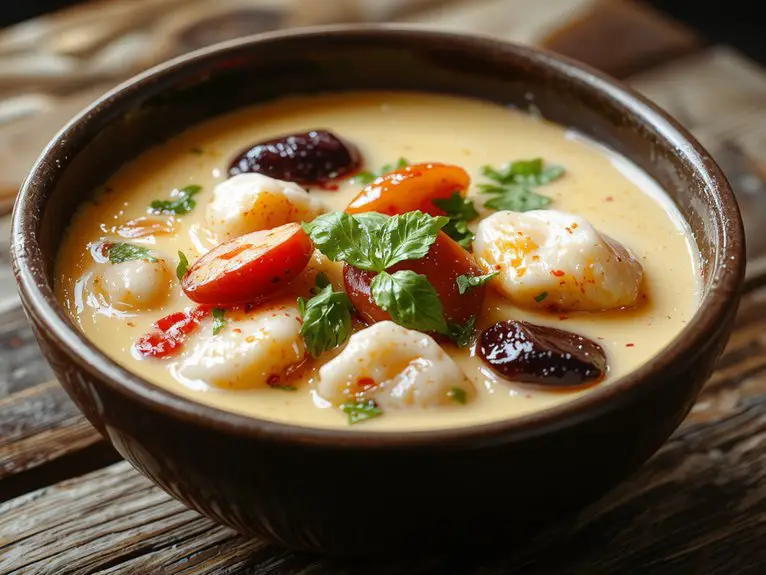
This Thai curry recipe is a game-changer—seriously, it’s the best I’ve ever made, and I’ve tested it more times than I can count. What makes it special? Freshly ground spices, creamy coconut milk, and just the right balance of heat and sweetness.
I learned this from a friend in Thailand, and it’s been my go-to ever since. Imagine this: tender chicken or veggies simmered in a fragrant, velvety sauce that’s bursting with lemongrass, garlic, and chili notes. It’s a flavor explosion that will have you skipping takeout forever.
Plus, it’s surprisingly easy to whip up—don’t let the exotic ingredients intimidate you. Trust me, once you try this, you’ll be hooked. Let’s get cooking!
Ingredients
Creating an authentic Thai curry starts with sourcing the right ingredients—fresh, vibrant, and full of flavor. While substitutions can work in a pinch, there are a few key elements that truly make this dish shine. Here’s what you’ll need, along with insider tips to elevate your curry game:
– Curry Paste: The soul of your dish. Opt for homemade or a high-quality store-bought version. Red, green, or yellow—your choice dictates the flavor profile.
Pro tip: Toast the paste in oil first to release its full depth.
- Coconut Milk: Full-fat is non-negotiable here—it’s creamy, rich, and balances the spice. Light versions can work but won’t deliver the same luxurious texture.
- Protein: Chicken, shrimp, tofu, or beef—pick your favorite. Chicken thighs are ideal for their juiciness and ability to soak up flavors.
- Vegetables: Bell peppers, bamboo shoots, eggplant, or green beans add texture and freshness.
Don’t overcrowd the dish—stick to two or three veggies for balance.
- Fish Sauce: A must-have for authentic umami. If unavailable, soy sauce or tamari can be a substitute, but it won’t have the same depth.
- Palm Sugar: Adds a subtle sweetness. Brown sugar works as a backup, but palm sugar’s caramel notes are unmatched.
- Lime Leaves (Kaffir Lime Leaves): These bring a citrusy, floral aroma. If you can’t find them, lime zest + juice can mimic some of the flavor.
- Thai Basil: Distinct from Italian basil, it has a peppery, licorice-like flavor. Regular basil works in a pinch, but it’s worth seeking out Thai basil for authenticity.
- Oil: Neutral oils like vegetable or avocado oil work best for sautéing the paste and aromatics.
- Chillies: Fresh bird’s eye chillies for heat, but adjust to your tolerance.
- Extras: A splash of lime juice at the end and a sprinkle of toasted peanuts or fresh cilantro can take your curry from good to incredible.
How to Make the Best Authentic Thai Curry Secrets
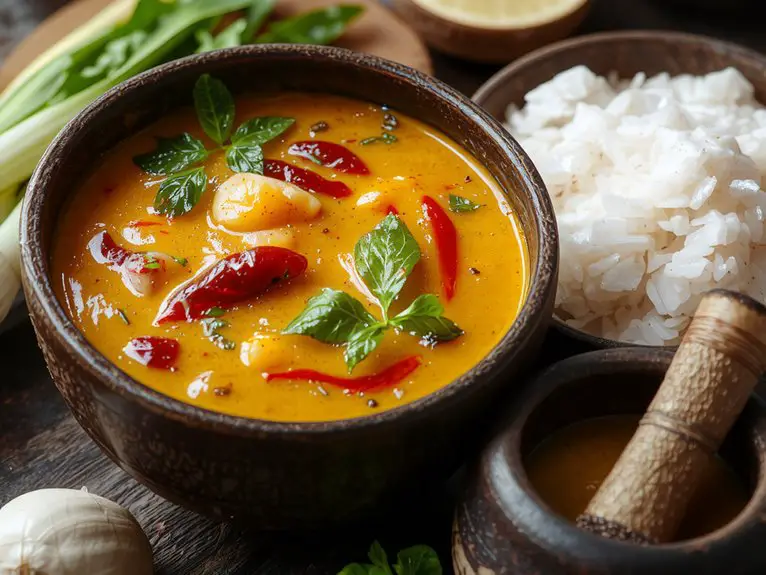
- Adjust seasoning: Taste and add fish sauce, sugar, or lime juice to balance sweet, salty, and sour. *(Pro tip: A pinch of sugar rounds out sharp flavors.)*
- Finish with herbs: Stir in Thai basil or cilantro just before serving. *(Why? Heat dulls delicate herbs—adding last keeps them vibrant.)*
- Serve immediately: Pair with jasmine rice and extra lime wedges. *(Flexibility: Leftovers taste even better the next day!)*
Nutrition
This homemade Thai curry recipe provides a balance of flavors and nutrients. Below is the nutritional information per serving.
| Nutrient | Amount |
|---|---|
| Calories | 320 |
| Protein | 12g |
| Carbohydrates | 28g |
| Fat | 18g |
| Fiber | 4g |
| Sodium | 850mg |
Chef Tips
Though Thai curry might seem intimidating at first, I’ve found a few tricks that make it easier to master. Always toast your curry paste in oil first to deepen its flavor. Use coconut milk with high fat content for creaminess.
Taste as you go and balance sweet, salty, sour, and spicy notes. Don’t skip fresh herbs like Thai basil or lime leaves—they’re essential for authenticity. Practice makes perfect!
Frequently Asked Questions
Can I Freeze Homemade Thai Curry?
Yes, I can freeze homemade Thai curry. I’ll make sure it’s cooled completely, then transfer it to an airtight container or freezer bag. It’ll keep well for up to three months, and I’ll thaw it properly before reheating.
What’s the Best Rice to Serve With Thai Curry?
I’d recommend jasmine rice—it’s fragrant and slightly sticky, so it pairs perfectly with the rich flavors of Thai curry. I always use it because it absorbs the sauce well and balances the dish.
How Long Does Homemade Thai Curry Last in the Fridge?
Homemade Thai curry lasts 3-4 days in the fridge if I store it properly in an airtight container. I’d make sure it’s cooled before refrigerating and check for spoilage before reheating and eating it.
Can I Make Thai Curry Without Coconut Milk?
I can make Thai curry without coconut milk, using substitutes like yogurt, cream, or broth to maintain richness. It’ll alter the flavor slightly, but it’s still delicious and adapts well to dietary preferences or restrictions.
Is Thai Curry Spicy for Kids?
Thai curry can be spicy for kids, but I’d adjust the heat by reducing or skipping chilies and using milder curry paste. I’d also balance it with coconut milk or yogurt to make it kid-friendly.


