The Best Homemade Thai Red Curry Recipe
Recipe
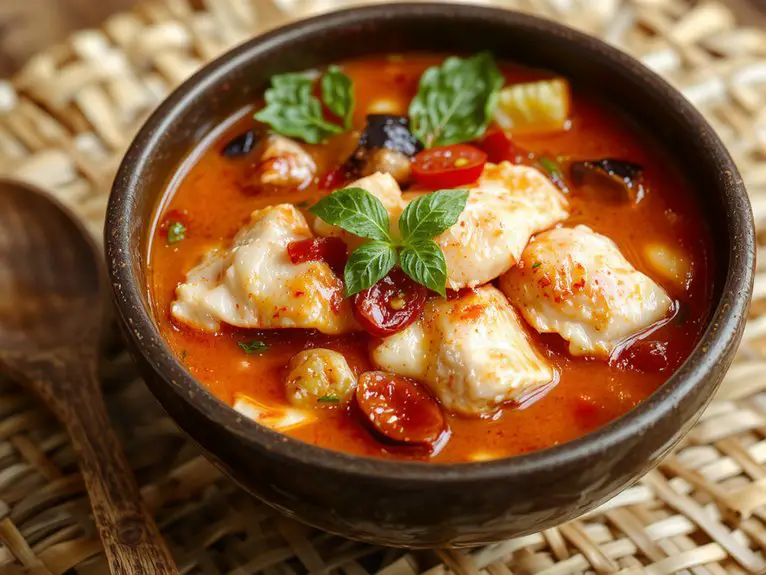
Let me tell you, this homemade Thai red curry is the real deal—better than anything you’ll get from a takeout menu. The secret? A fragrant homemade red curry paste bursting with lemongrass, galangal, and fiery chilies, simmered with creamy coconut milk and tender bites of protein.
It’s rich, aromatic, and perfectly balanced—the kind of dish that makes your kitchen smell like a Thai street food stall. I’ve been making this for years, tweaking it until it’s just right, and trust me, it’s foolproof. Whether you’re simmering chicken, tofu, or shrimp, each spoonful is a warm, spicy, and slightly sweet hug for your taste buds.
Once you try this, there’s no going back to store-bought curry paste—this recipe is a game-changer. Let’s get cooking!
Ingredients
The secret to an unforgettable Thai red curry lies in balancing bold, aromatic ingredients with fresh, vibrant flavors. While some elements are flexible, others are non-negotiable—skip them, and you’ll miss the soul of the dish. Here’s what you’ll need:
For the Curry Paste (or Store-Bought Shortcut):
- Red curry paste – *The foundation of flavor. Homemade is ideal (see pro tip below), but Maesri or Mae Ploy brands are solid backups.*
- Fresh lemongrass – *Only the tender lower third (pounded or finely minced). Dried won’t cut it.*
- Galangal (or ginger in a pinch) – *Galangal’s citrusy punch is irreplaceable, but ginger works if desperate.*
- Makrut lime leaves – *Tear them to release their floral aroma. Dried leaves lack depth—freeze fresh ones for later.*
- Thai chilies – *Adjust for heat, but don’t omit entirely. Seeds removed for milder spice.*
For the Curry:
- Full-fat coconut milk – *Cheap, watery versions split when simmered. Chaokoh or Aroy-D are chef favorites.*
- Protein – *Chicken thighs (juicier than breasts), shrimp, or tofu for veggie versions.*
- Fish sauce – *The umami backbone. Red Boat or Three Crabs brands for best results. (Soy sauce works for vegetarians, but it’s not the same.)*
- Palm sugar (or brown sugar) – *Palm sugar’s caramel notes balance heat. Don’t sub with white sugar—it’s too one-dimensional.*
- Thai basil – *Added at the end for anise-like freshness. Italian basil is too sweet as a substitute.*
Pro Tip: *Toast store-bought curry paste in oil for 1–2 minutes before adding coconut milk—it deepens the flavor dramatically.*
Little Wins:
- Bamboo shoots – *For crunch and earthy contrast.*
- Red bell pepper – *Adds sweetness and color.*
- Lime wedges – *A squeeze at the end brightens everything up.*
How to Make the Best Authentic Thai Red Curry
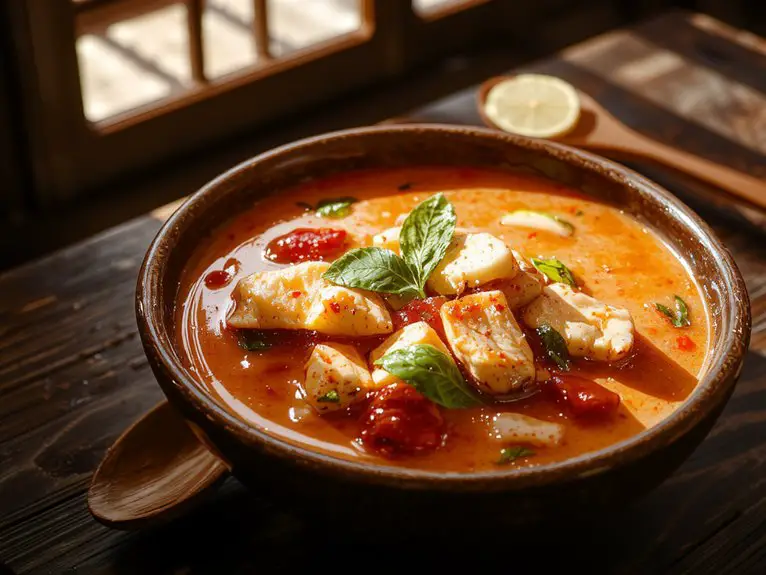
– Finish the Curry: Pour in the remaining coconut milk and bring to a gentle simmer.
Add fish sauce, sugar, and lime juice to balance the flavors.
Taste and adjust seasoning as needed. The curry should be creamy, aromatic, and perfectly balanced between sweet, salty, and tangy.
– Garnish and Serve: Remove from heat and stir in fresh Thai basil leaves for a burst of freshness.
Serve hot with steamed jasmine rice or noodles. The final dish should be vibrant, aromatic, and bursting with layers of flavor.
Pro Tip: For a smoother curry, strain the paste through a fine mesh sieve before cooking. This removes any fibrous bits and guarantees a velvety texture.
Watch-Out Warning: Avoid overcooking the curry paste, as it can burn easily and turn bitter.
Keep the heat medium and stir constantly while sautéing.
Flexibility: Feel free to customize with your favorite vegetables or protein.
For a quicker version, use a store-bought red curry paste, but sauté it well to enhance its flavor.
Visual Cue: The curry should have a rich, reddish-brown color and a creamy consistency.
If it’s too thick, add a splash of water or broth to reach your desired texture.
Nutrition
Homemade Thai Red Curry is a flavorful dish packed with essential nutrients. Below is the nutritional breakdown per serving.
| Nutrient | Amount per serving |
|---|---|
| Calories | 350 kcal |
| Protein | 15g |
| Fat | 20g |
| Carbohydrates | 25g |
| Fiber | 3g |
| Sugar | 5g |
| Sodium | 800mg |
Chef Tips
Perfecting Thai red curry isn’t just about ingredients—it’s how you use them. I always bloom the curry paste in coconut oil to deepen its flavor before adding liquids.
Simmer gently to avoid separating the coconut milk. Taste as you go and balance sweetness, saltiness, and acidity.
Use fresh herbs like Thai basil and kaffir lime leaves at the end for brightness. Serve hot with jasmine rice.
Frequently Asked Questions
Can I Freeze Leftover Thai Red Curry?
Yes, I can freeze leftover Thai red curry. I’d store it in an airtight container, leaving some space for expansion. It keeps well for up to 3 months. I’d thaw it overnight before reheating.
How Do I Adjust the Spice Level?
To adjust the spice level, I’ll start with less red curry paste and add more gradually if I want it hotter. If it’s too spicy, I’ll dilute it with coconut milk or balance it with a bit of sugar.
What’s the Best Rice to Serve With It?
I’d go with jasmine rice—it’s fragrant and pairs perfectly with the bold flavors of curry. If I’m aiming for something healthier, I’ll use brown rice or cauliflower rice as a low-carb alternative. It’s versatile!
Can I Use Store-Bought Curry Paste?
Absolutely, I always use store-bought curry paste—it’s convenient and still delivers great flavor. Just check the ingredients to confirm it’s authentic and balanced. I’ll often adjust spices or coconut milk to make it my own.
How Long Does Homemade Curry Paste Last?
Homemade curry paste lasts about two weeks in the fridge if I store it in an airtight container. If I freeze it, it’ll keep for up to three months—just thaw before I use it.


