The Best Homemade Tuna Steak Recipe
Recipe
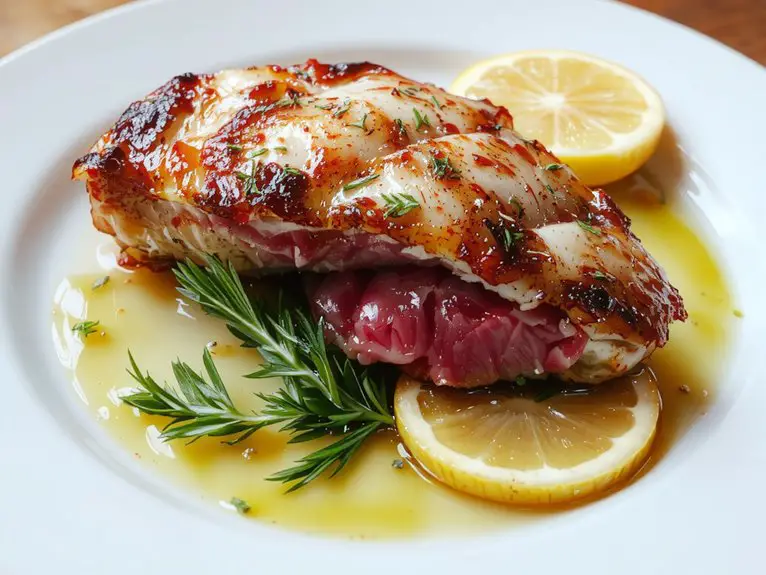
This tuna steak recipe is hands-down the best way to enjoy fresh, rich seafood without any fuss. I’ve made it countless times for family dinners and casual gatherings, and it always gets rave reviews.
The secret? A simple marinade of soy sauce, garlic, and a splash of lime that infuses the tuna with flavor while keeping it tender and juicy.
Searing it just right gives you that perfect crust on the outside while leaving the center melt-in-your-mouth tender. It’s restaurant-quality but ridiculously easy to pull off—no special skills required.
Pair it with a zesty salsa or a side of roasted veggies, and you’ve got a meal that feels fancy without the stress. Trust me, once you try this, you’ll never look at tuna the same way again.
Ingredients
To create a perfectly seared, restaurant-quality tuna steak at home, the right ingredients are vital. Freshness is key—opt for sushi-grade tuna to guarantee safety and unparalleled flavor. A simple marinade enhances the steak without overpowering its natural taste, while high-quality oil secures a crisp, golden crust. Here’s what you’ll need:
For the Tuna Steaks:
- Sushi-grade tuna steaks (about 1-inch thick): The star of the dish—don’t compromise here!
- Olive oil or avocado oil: High smoke point oils are essential for a perfect sear.
- Soy sauce: Adds depth and umami to the marinade.
- Sesame oil: A small amount goes a long way for rich, nutty flavor.
- Fresh garlic: Minced or grated for aromatic enhancement.
- Fresh ginger: Adds warmth and brightness—use freshly grated for the best results.
- Honey or maple syrup: Balances the savory marinade with a touch of sweetness.
- Lime or lemon juice: Freshly squeezed for zesty acidity.
For Seasoning & Garnish:
- Sesame seeds: Toast them briefly for a nutty, crunchy finish.
- Fresh cilantro or parsley: Adds a pop of color and freshness.
- Sliced scallions: For a mild oniony bite.
- Sea salt and freshly cracked black pepper: Enhance natural flavors without overpowering.
Pro Tips:
- Substitutions: If sesame oil is unavailable, use toasted sesame seeds or a dash of toasted sesame paste. Swap honey for agave or brown sugar if needed.
- Non-Negotiables: Fresh ginger and garlic are must-haves—skip the powdered versions for best results.
- Little Wins: Toast sesame seeds in a dry pan before garnishing for an added layer of flavor.
How to Make the Best Perfect Pan-Seared Tuna Steak
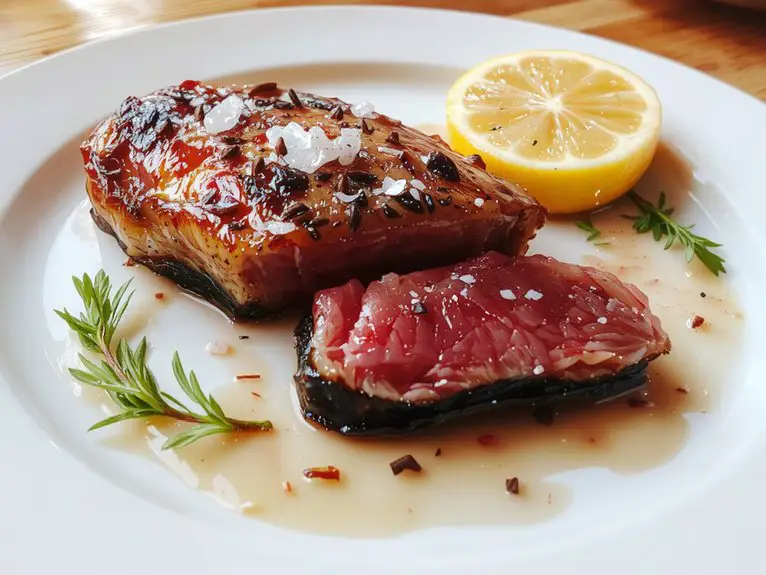
Remove the tuna steaks from the pan and let them rest for 2-3 minutes. Resting allows the juices to redistribute, guaranteeing a moist and flavorful bite.
*Pro Tip:* Cover loosely with foil to keep them warm without steaming.
Slice against the grain before serving. Cutting against the grain secures tender, bite-sized pieces.
*Visual Cue:* The interior should be slightly translucent and pink for rare or opaque and pinkish for medium-rare.
*Flexibility:* Adjust cooking time if you prefer your tuna more well-done, but be cautious—it’s easy to overcook.
Serve immediately with your choice of sides or sauces. Lemon wedges, soy-ginger glaze, or a simple green salad pair beautifully with tuna.
*Pro Tip:* If reheating, use a quick sear to preserve the texture.
Nutrition
This tuna steak recipe is not only delicious but also packed with essential nutrients. Here’s the nutritional breakdown per serving:
| Nutrient | Amount |
|---|---|
| Calories | 220 kcal |
| Protein | 40 g |
| Fat | 5 g |
| Carbohydrates | 0 g |
| Sodium | 300 mg |
Chef Tips
Though cooking tuna steak might seem straightforward, I’ve found that a few key techniques can make all the difference.
Always pat the steak dry before seasoning to guarantee a good sear.
Use high heat for a crispy exterior while keeping the center rare.
Let it rest for 2-3 minutes after cooking to lock in juices.
Finally, slice against the grain for tender bites every time.
Frequently Asked Questions
What Is the Best Tuna Species for Steak?
The best tuna species for steak is bluefin—it’s rich, buttery, and holds up well to high heat. If I can’t find bluefin, I go for bigeye or yellowfin—they’re still flavorful and firm enough for searing.
Can I Use Frozen Tuna for This Recipe?
Yes, I can use frozen tuna, but I’ll thaw it completely in the fridge first. It won’t be as firm as fresh, but it’ll still work if I pat it dry and sear it hot and fast.
How Long Can I Store Cooked Tuna Steak?
I can store cooked tuna steak in the fridge for up to 3-4 days if it’s kept airtight. If I freeze it, it’ll last 2-3 months, but I’ll notice a slight loss in texture and flavor over time.
What Sides Pair Well With Tuna Steak?
I love pairing tuna steak with light, fresh sides like a crisp arugula salad, roasted asparagus, or garlic mashed potatoes. For something heartier, I’ll choose quinoa pilaf or grilled vegetables—they’re always a perfect complement.
Is It Safe to Eat Tuna Steak Rare?
Yes, it’s safe to eat tuna steak rare if it’s sushi-grade and handled properly. I always sear mine quickly, leaving the center pink and cool. Just make sure your fish is fresh and from a trusted source.


