The Best Homemade Turkey Brine Recipe
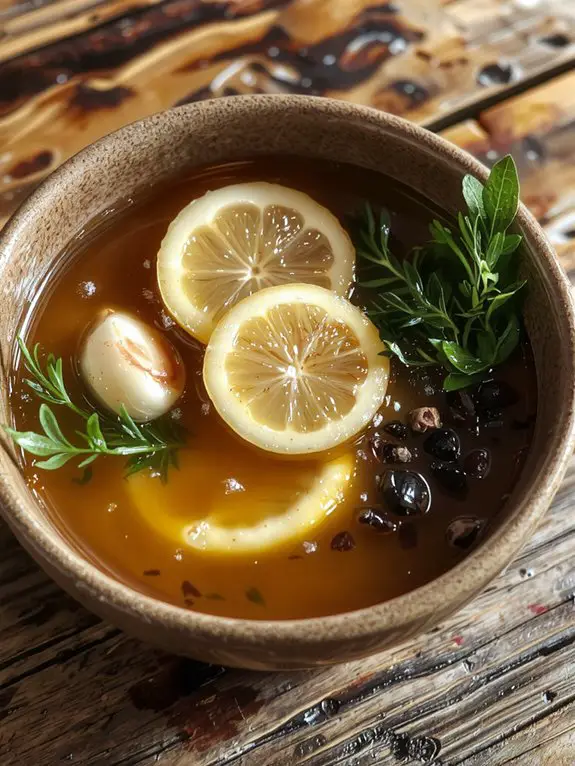
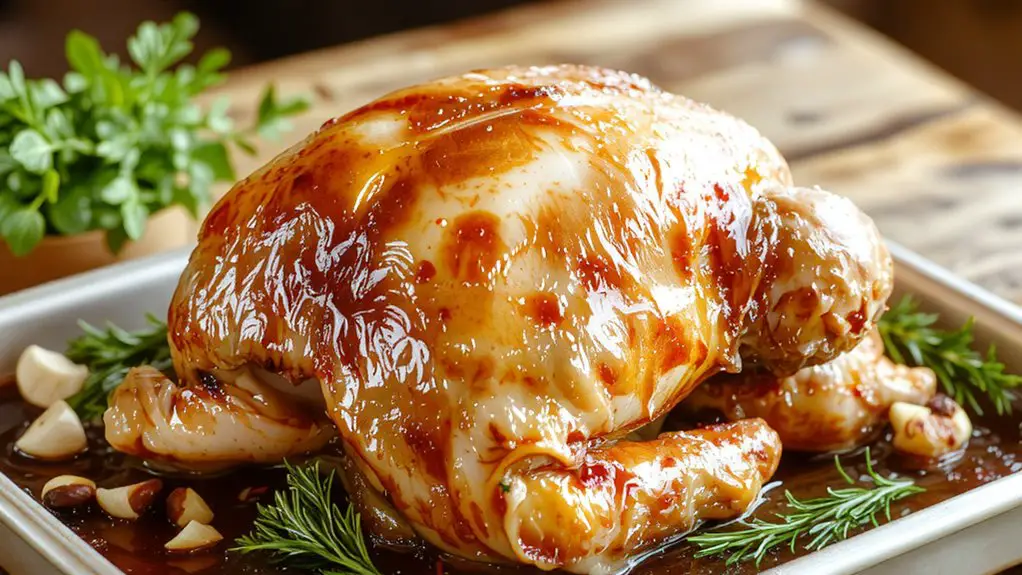
Recipe
Perfectly juicy, tender, and infused with flavor—this homemade turkey brine is the ultimate secret weapon for your holiday table. I’ve been making this recipe for years, and it’s never let me down.
The magic lies in the balance of kosher salt, brown sugar, and aromatic herbs like rosemary and thyme, which work together to lock in moisture and create a turkey that’s *actually* impossible to mess up.
Add a splash of apple cider vinegar for a subtle tang and a hint of citrus for brightness, and you’ve got a brine that transforms your bird into something truly show-stopping.
Trust me, once you try this, you’ll never skip the brining step again. It’s simple, foolproof, and delivers results that will have everyone at the table asking for your secret.
Let’s get brining!
Ingredients
For the ultimate homemade turkey brine, the right ingredients are key to ensuring your bird is juicy, flavorful, and perfectly seasoned. This brine recipe balances salt for moisture, sugar for a hint of sweetness, and aromatics for depth. Here’s what you’ll need, along with some insider tips to make it your own:
- Kosher Salt (1 cup): Non-negotiable—it’s the backbone of the brine. Kosher salt dissolves evenly and seasons the turkey without overpowering it. (Tip: Don’t use table salt—it’s too fine and can make the brine overly salty.)
- Brown Sugar (½ cup): Adds a touch of sweetness and helps balance the salt. Light or dark brown sugar works, but dark gives a deeper flavor.
- Cold Water (1 gallon): Always use cold water to keep the turkey at a safe temperature while brining.
- Garlic (6 cloves, smashed): Essential for savory depth. Smash them to release maximum flavor. (Sub: Garlic powder in a pinch, but fresh is best.)
- Whole Peppercorns (1 tbsp): Adds a subtle spice. While white or black peppercorns work, black delivers a bolder flavor.
- Bay Leaves (3-4): A must for earthy, herbal notes. Fresh or dried works—just don’t skip them.
- Fresh Herbs (optional): Rosemary, thyme, or sage elevate the brine. Use what you have on hand. Pro tip: Tie them in a bundle with kitchen twine for easy removal.
- Citrus (optional): Orange or lemon slices add brightness. Use the zest for extra punch.
- Optional Add-Ins: For a unique twist, try soy sauce, apple cider vinegar, or even a splash of bourbon for complexity.
Tip: Always brine your turkey in a food-safe container or brining bag, and keep it refrigerated for at least 12 hours (but no more than 24) for the best results.
How to Make the Best Juicy Turkey Brine Recipe

– Prepare the brine mixture – In a large pot, combine water, kosher salt, brown sugar, and your choice of aromatics like garlic, peppercorns, and fresh herbs. Bring the mixture to a simmer, stirring occasionally until the salt and sugar fully dissolve. This guarantees even seasoning throughout the turkey.
Pro Tip: For added depth, steep the herbs and spices in hot water for 10 minutes before adding the salt and sugar.
– Cool the brine completely – Remove the pot from heat and let the brine cool to room temperature. Then, refrigerate it until it’s cold. A hot brine can start cooking the turkey’s exterior, leading to uneven texture.
Watch-Out Warning: Never add a warm brine to the turkey—it’s a food safety risk.
– Prepare the turkey – Thoroughly rinse the turkey inside and out under cold water. Pat it dry with paper towels to remove excess moisture. This step helps the brine adhere better to the turkey’s surface.
Pro Tip: Remove the turkey from its packaging a day ahead to confirm it’s fully thawed.
– Submerge the turkey in the brine – Place the turkey in a large, clean container or brining bag. Pour the cooled brine over it, guaranteeing the bird is fully submerged. If needed, add extra cold water or ice to cover it completely.
Watch-Out Warning: Use a non-reactive container like food-grade plastic, stainless steel, or a brining bag. Avoid aluminum, as it can react with the salt.
– Refrigerate and brine – Cover the container or seal the brining bag and refrigerate for 12–24 hours. The longer the turkey brines, the more flavorful and moist it will become.
Pro Tip: Place the brining container on a baking sheet to catch any potential leaks.
– Rinse and pat dry – After brining, remove the turkey from the liquid and rinse it thoroughly under cold water to remove excess salt. Pat it dry with paper towels to verify the skin crisps up during roasting.
Watch-Out Warning: Skipping this step can result in an overly salty turkey.
– Proceed with your recipe – Once brined, the turkey is ready to be seasoned, stuffed (if desired), and roasted according to your preferred method.
Pro Tip: For extra crispy skin, let the turkey air-dry in the fridge for a few hours before roasting.
Nutrition
Homemade turkey brine is a flavorful mixture used to enhance the taste and moisture of turkey. Below is the nutritional breakdown per serving.
| Nutrient | Amount per Serving |
|---|---|
| Calories | 25 kcal |
| Sodium | 580 mg |
| Carbohydrates | 6 g |
| Sugar | 5 g |
| Protein | 0 g |
| Fat | 0 g |
Chef Tips
When brining a turkey, I always recommend starting with cold water to guarantee the flavors are absorbed evenly.
After brining, pat the turkey dry; this helps the skin crisp up beautifully.
Use sharp knife skills when carving to keep the meat intact and presentable.
Finally, focus on plating techniques—arrange slices neatly and garnish with herbs for a professional, appetizing finish that’ll wow your guests.
Frequently Asked Questions
Can I Reuse the Brine After Cooking?
I wouldn’t reuse the brine after cooking because bacteria from the turkey can contaminate it, making it unsafe. If I want reuse tips, I’d discard the used brine and make a fresh batch.
How Long Can I Store Leftover Brine?
I’ll store leftover brine for up to a week in the fridge if it’s unused, but once it touches raw turkey, I toss it immediately. For brine shelf life and brine storage tips, airtight containers are key.
Can I Use Kosher Salt Instead of Sea Salt?
Yes, I can use kosher salt instead of sea salt—they’re interchangeable for brining, though I’ll adjust the quantity since kosher salt’s coarser. The salt comparison matters, but the flavor impact’s minimal, so it’s fine.
Does Brining Affect Cooking Time?
Yes, brining affects cooking time because brine absorption adds moisture, making the turkey cook faster. But I always check the internal temperature since turkey size matters—larger birds still need more time despite the brine.
Can I Brine a Frozen Turkey?
I can’t brine a frozen turkey—it needs thawing first for safety. Brining while frozen affects the freezer impact, making it unsafe. I’d thaw it in the fridge before brining to guarantee even flavor and proper cooking.


