The Best Homemade Turkey Gravy Recipe
Recipe
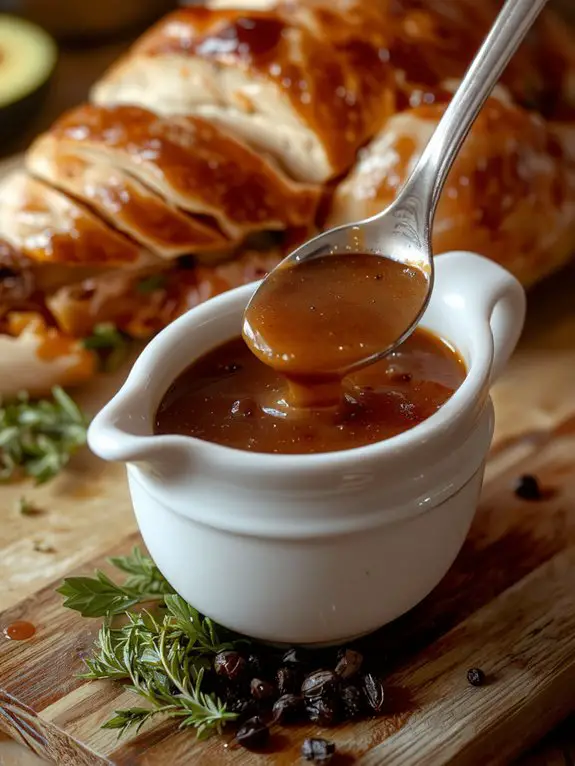
This is the only turkey gravy recipe you’ll ever need—trust me, it’s a game-changer. Made with rich pan drippings, a splash of white wine, and a touch of fresh thyme, it’s silky, savory, and packed with flavor that will elevate your holiday meal to restaurant-worthy status.
I’ve been making this for years, and it’s always the star of the table—so good, people ask for it by name. The secret? Taking the time to build layers of taste, from the golden fond in the pan to the slow whisking that creates that perfect velvety texture.
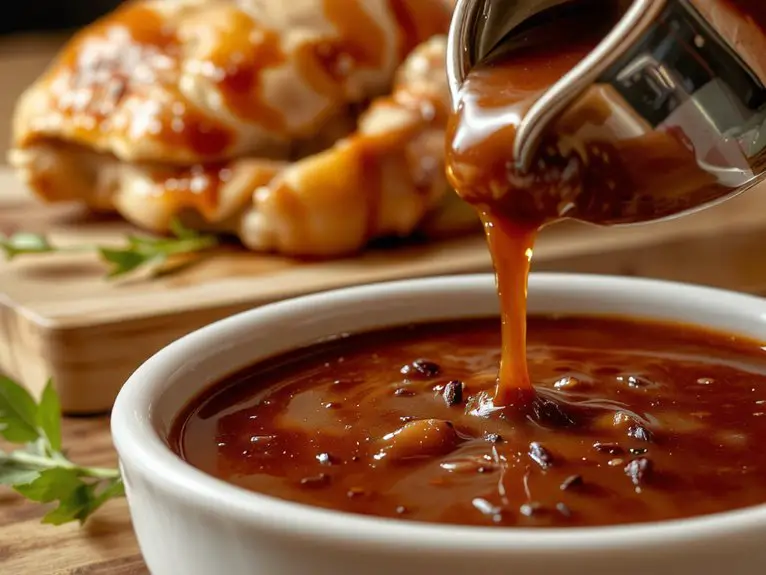
One spoonful, and you’ll taste the difference: deep, comforting, and begging to be poured over mashed potatoes, stuffing, or even just a simple slice of turkey. And the best part? It’s easier than you think to make at home.
Let’s get started—your gravy awaits!
Ingredients
Start your turkey gravy with the right foundation—rich, flavorful ingredients that transform pan drippings into a velvety, restaurant-quality sauce. Quality matters here, so opt for the best you can find. Let’s break it down:
- Turkey drippings – The star of the show! These are packed with roasted flavor and fat, essential for depth. If you’re short on drippings, substitute with chicken stock or broth.
- Unsalted butter – Adds richness and helps create a smooth roux. Salted butter works too, but adjust your seasoning carefully.
- All-purpose flour – The thickening agent for your roux. Gluten-free flour blends can work in a pinch, but they may alter the texture slightly.
- Chicken or turkey stock – Use homemade if possible, but store-bought low-sodium works well. Avoid overly salty stocks to maintain control over seasoning.
- Fresh thyme or rosemary – Fresh herbs elevate the flavor. Dried herbs can substitute, but use sparingly—they’re more potent.
- Salt and black pepper – Season to taste. Freshly cracked pepper adds a subtle warmth.
- Optional: White wine or dry sherry – A splash deglazes the pan and adds a bright, sophisticated note. Skip if you prefer a classic gravy.
Pro Tip: For an extra savory kick, stir in a dash of soy sauce or Worcestershire sauce—just a teaspoon will do wonders without overpowering the dish.
How to Make the Best Step-by-Step Instructions
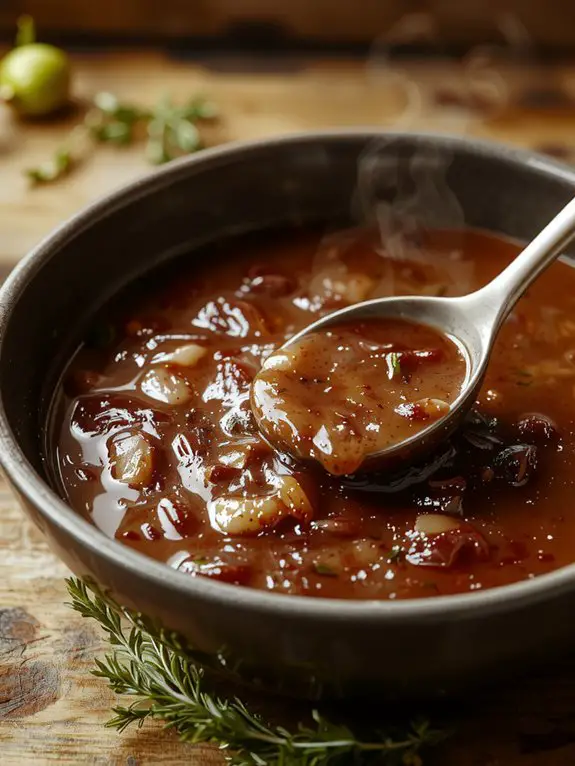
Slowly pour in turkey drippings or broth, whisking continuously to avoid lumps. Use a fine-mesh strainer if your drippings have bits for a smoother gravy.
Simmer and thicken for 5-7 minutes, stirring often. The gravy should coat the back of a spoon—if too thick, add a splash of broth; if too thin, simmer longer.
Season to taste with salt, pepper, and herbs like thyme or sage. For extra depth, add a splash of soy sauce or Worcestershire (trust us, it’s a game-changer).
Strain for perfection (optional). Press through a sieve for ultra-smooth gravy, especially if you spot any stubborn lumps.
Keep warm on low heat, stirring occasionally. If a skin forms, whisk vigorously to bring it back to velvety consistency.
Pro Tips:
- For richer flavor, use a mix of drippings and broth.
- If short on time, substitute drippings with store-bought stock—just boost flavor with a pat of butter.
- Avoid over-seasoning early; flavors concentrate as the gravy reduces.
Nutrition
This homemade turkey gravy is rich in flavor and nutrients. Here’s the nutritional breakdown per serving:
| Nutrient | Amount per Serving |
|---|---|
| Calories | 60 kcal |
| Total Fat | 3.5 g |
| Saturated Fat | 1 g |
| Cholesterol | 5 mg |
| Sodium | 300 mg |
| Carbohydrates | 5 g |
| Fiber | 0 g |
| Sugar | 1 g |
| Protein | 2 g |
Chef Tips
Making great turkey gravy isn’t just about the ingredients—it’s about technique. I always use pan drippings for depth.
Whisk constantly to avoid lumps, and simmer slowly to thicken naturally.
If it’s too thin, I mix equal parts flour and butter into a paste for thickening.
Taste as you go, adjusting seasoning with salt, pepper, and herbs—it’s the key to perfection.
Frequently Asked Questions
Can I Freeze Homemade Turkey Gravy?
Yes, you can freeze homemade turkey gravy. I always let it cool completely first, then pour it into airtight containers or freezer bags, leaving some space for expansion. It keeps well for up to three months.
What’s the Best Way to Reheat Turkey Gravy?
I’d reheat turkey gravy slowly on the stovetop over low heat, stirring often to prevent scorching. If it’s too thick, I’ll add a splash of broth or water to loosen it up while warming it through.
How Long Does Homemade Turkey Gravy Last in the Fridge?
I’d store homemade turkey gravy in the fridge for 3-4 days max. Make sure it’s in an airtight container, and reheat it thoroughly before using. If it smells off or looks weird, I’d toss it.
Can I Make Turkey Gravy Without Drippings?
I can make turkey gravy without drippings by using butter and flour for a roux, then adding chicken or turkey stock for flavor. I’ll season it well and simmer until it reaches the right consistency.
What Substitutes Work for Flour in Gravy?
If I don’t have flour, I’ll use cornstarch mixed with water, arrowroot powder, or tapioca starch to thicken gravy. They’re easy swaps, but I’ll add them slowly so I don’t over-thicken it.


