The Best Homemade Turkey Recipe
Recipe
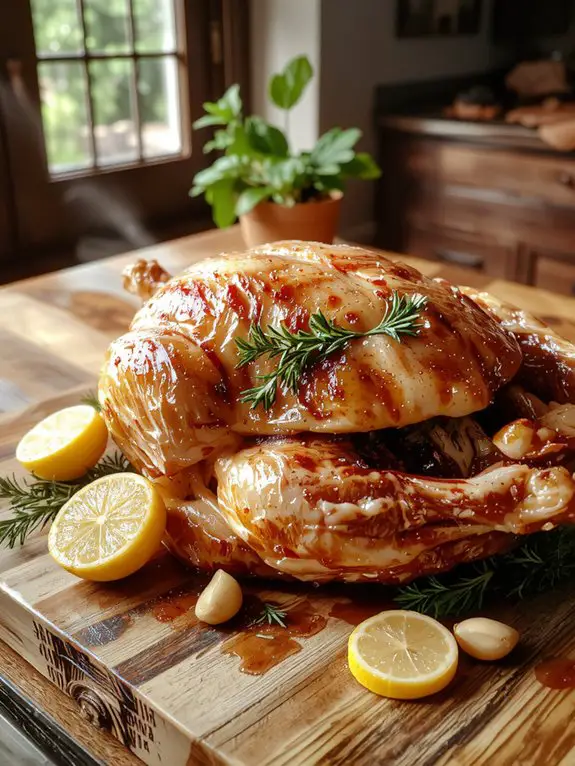
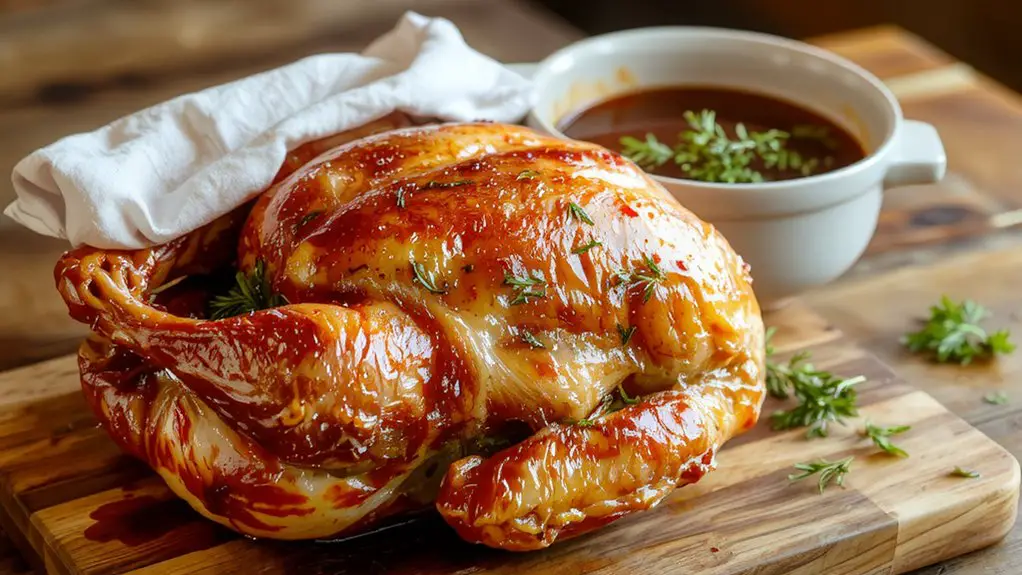
Let me tell you, this homemade turkey recipe is a game-changer—it’s the kind of dish that turns a regular dinner into a feast worth remembering. The secret? A perfectly seasoned, herb-infused bird that’s juicy on the inside with a golden, crispy skin that’ll have everyone at the table asking for seconds.
What makes it special is the garlic-butter rub and the simple yet genius trick of basting it every 30 minutes to lock in all that flavor. I’ve made this exact recipe for countless family gatherings, and it’s always a showstopper.
Imagine this: tender, melt-in-your-mouth meat with a savory aroma that fills your kitchen well before it’s even done. Trust me, once you try this method, you’ll never go back to dry or boring turkey again.
It’s easier than you think, and the result is pure magic.
Ingredients
When it comes to making the perfect turkey, the right ingredients and a few insider tips can make all the difference. Fresh, high-quality components are key, but don’t stress if you need to make swaps—this recipe is flexible enough to accommodate your pantry. Below, I’ve broken down everything you’ll need, along with why each ingredient matters and how to adjust if necessary.
- Whole Turkey (12-14 lbs): The star of the show. Choose a fresh or fully thawed turkey for even cooking. If you’re short on time, a smaller turkey works too, just adjust the cooking time.
- Unsalted Butter (1 cup, softened): Guarantees a rich, golden skin. Salted butter can work, but reduce added salt elsewhere.
- Fresh Herbs (1 bunch each of rosemary, thyme, and sage): These are non-negotiable for that classic holiday aroma. Dried herbs can sub in at half the quantity, but fresh really shines.
- Garlic (6 cloves, minced): Adds depth and flavor. Jarred garlic works in a pinch, but fresh is always better.
- Onion (1 large, quartered): Tucked inside the cavity for moisture and flavor. Swap with shallots if needed.
- Lemon (1, halved): Brightens the turkey and keeps it juicy. Orange works as a substitute.
- Chicken or Turkey Stock (4 cups): For basting and creating a flavorful gravy. No stock? Use water with a bouillon cube.
- Salt (2 tablespoons): Essential for seasoning. Kosher salt is ideal, but table salt works too—just use 1.5 tablespoons.
- Black Pepper (1 tablespoon, freshly ground): Adds a subtle kick. Pre-ground pepper is fine if it’s all you have.
- Olive Oil (2 tablespoons): Helps crisp the skin. Any neutral oil works, but olive oil adds a nice flavor.
- Optional Extras: A sprinkle of paprika for color, a splash of white wine for the stock, or extra herbs for garnish can elevate your turkey to the next level.
With these ingredients and tips, you’re set to create a turkey that’s juicy, flavorful, and unforgettable.
How to Make the Best Juicy Herb-Roasted Turkey
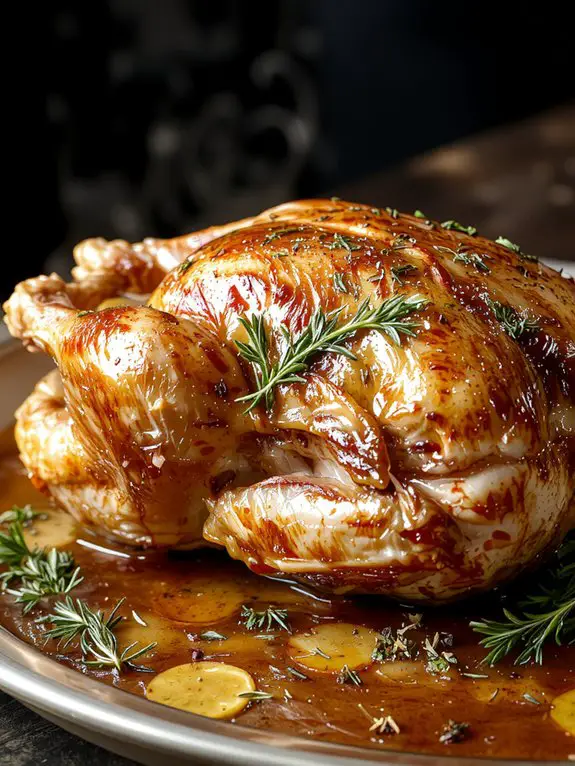
- Truss the legs with kitchen twine – Tying them together helps the turkey cook evenly and maintains a neat shape. Just don’t pull too tight—leave a little room for heat circulation.
- Roast breast-side up on a rack in a roasting pan – Elevating the turkey allows hot air to circulate, preventing soggy skin.
Add a little broth or water to the pan to prevent drippings from burning.
– Baste every 30 minutes with pan juices – This keeps the meat moist and the skin glossy.
Use a spoon or brush—don’t overdo it, or the skin won’t crisp.
– Check the internal temperature with a meat thermometer – The thickest part of the thigh should reach 165°F (74°C).
If the breast cooks too fast, tent it with foil to prevent drying.
– Let it rest for 20–30 minutes before carving – This allows juices to redistribute, ensuring every slice stays tender.
Cover loosely with foil to keep warm.
– Carve and serve – Slice against the grain for maximum tenderness.
Save the pan drippings for gravy—they’re packed with flavor!
Pro Tip: If the skin isn’t crispy enough, broil for 2–3 minutes at the end—but watch closely to avoid burning.
Watch Out: Opening the oven too often lowers the temperature and extends cooking time. Peek through the window instead!
Nutrition
Homemade turkey is a nutritious dish, rich in essential vitamins and protein. The following table provides detailed nutritional information per serving.
| Nutrient | Amount per Serving |
|---|---|
| Calories | 220 kcal |
| Protein | 30 g |
| Fat | 10 g |
| Carbohydrates | 0 g |
| Cholesterol | 80 mg |
| Sodium | 65 mg |
| Potassium | 300 mg |
| Vitamin A | 2% DV |
| Vitamin C | 0% DV |
| Calcium | 2% DV |
| Iron | 6% DV |
Chef Tips
Now that you know the nutritional benefits, let’s talk about how to make your turkey even better. I always brine mine overnight for juiciness.
Pat the skin dry before roasting—it guarantees crispiness.
Baste every 30 minutes to lock in flavor.
Rest the turkey for 20 minutes after cooking; it lets juices redistribute.
Use a meat thermometer; it’s foolproof.
These tips secure a perfect turkey every time.
Frequently Asked Questions
How Long Should Turkey Rest Before Carving?
I let my turkey rest for at least 20-30 minutes before carving it. It’s essential to keep it tented with foil to retain heat. This allows the juices to redistribute, making the meat moist and easier to carve.
Can I Brine a Frozen Turkey?
Yes, I can brine a frozen turkey, but I’ll need to thaw it first to guarantee the brine works properly. I’d place it in the fridge for several days or use a cold water thawing method.
What Size Turkey Fits in My Oven?
A turkey that fits your oven depends on its size. My oven’s about 25 inches wide, so I can roast a 20-pound bird comfortably. Always measure the oven’s interior and subtract a few inches to guarantee it fits.
Is It Safe to Stuff a Turkey?
I wouldn’t stuff my turkey—it’s risky. The stuffing can trap bacteria and undercook, making you sick. I’d cook it separately instead. If I must stuff it, I’d check the temp hits 165°F.
How Do I Thaw a Turkey Quickly?
To quickly thaw a turkey, I’ll place it in a leak-proof plastic bag and submerge it in cold water, changing the water every 30 minutes. It’ll take about 30 minutes per pound, ensuring it’s safe to cook afterward.


