The Best Homemade Vegetable Soup Recipe
Recipe
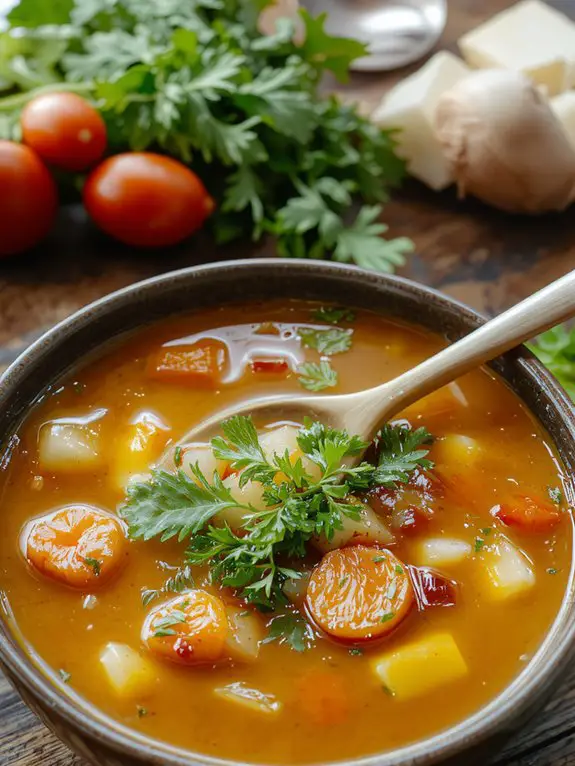
I can confidently say this vegetable soup is the ultimate comfort food—rich, flavorful, and so nourishing it feels like a warm hug in a bowl. What makes it stand out? A base of caramelized onions and garlic, plus a splash of apple cider vinegar for a subtle tang that brightens up every bite. Trust me, it’s a game-changer.
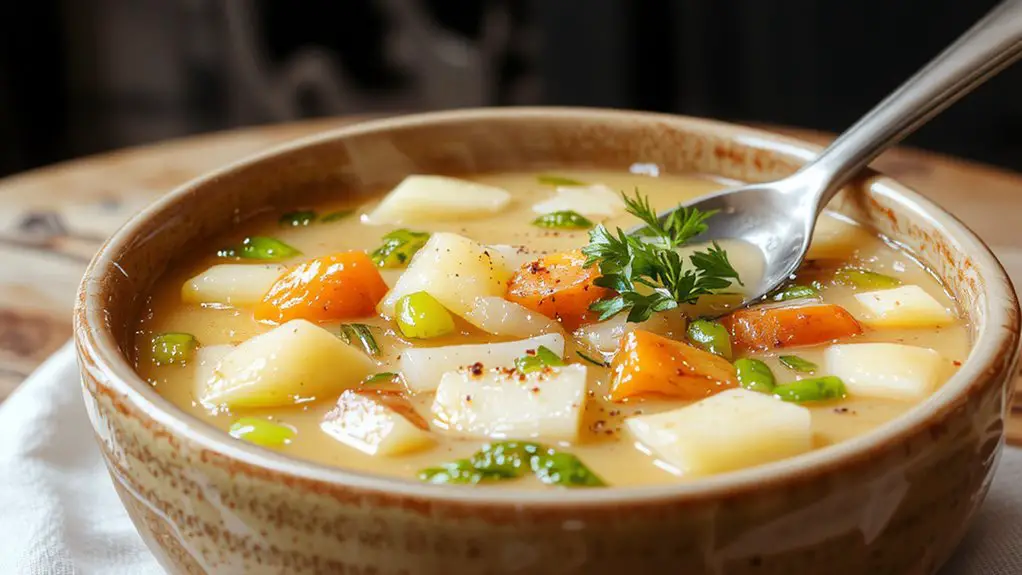
I’ve been making this soup for years, tweaking it until it reached perfection, and now it’s my go-to whenever I need something wholesome and satisfying. Picture tender veggies swimming in a savory broth infused with herbs, every spoonful bursting with earthy sweetness and a hint of spice.
Even better? It’s ridiculously easy to whip up, whether you’re a kitchen newbie or a seasoned pro. Grab your pot, let’s get cooking—you’re about to fall head over heels for this soup!
Ingredients
The secret to a truly unforgettable vegetable soup lies in the quality and balance of ingredients—fresh, vibrant veggies build layers of flavor, while a few pantry staples tie everything together.
Don’t skip the fresh herbs; they’re the magic touch that transforms this from basic to brilliant.
Vegetables (the backbone):
- 2 tbsp olive oil – Essential for sautéing; it adds depth and richness.
- 1 large onion, diced – The flavor foundation. Yellow onions work best for sweetness.
- 3 garlic cloves, minced – Non-negotiable for that aromatic punch.
- 2 carrots, chopped – Adds natural sweetness and texture.
- 2 celery stalks, chopped – A must for earthy undertones.
- 1 bell pepper (any color), diced – Red peppers bring sweetness; green add a slight bitterness.
- 2 medium potatoes, cubed – Russets for creaminess, Yukon Golds for buttery texture.
Liquid & Seasonings (the soul):
- 6 cups vegetable broth – Homemade is ideal, but low-sodium store-bought works.
- 1 can (14 oz) diced tomatoes – Fire-roasted add smokiness; regular work fine.
- 1 tsp dried thyme – Fresh thyme (1 tbsp) is even better if you have it.
- 1 bay leaf – Remove before serving—it’s there for subtle complexity.
- Salt & black pepper – Season in layers; taste as you go.
Elevators (the flourish):
- 1 cup green beans, trimmed – Fresh or frozen; add snap and color.
- 1 cup chopped kale or spinach – Stir in at the end for a nutrient boost.
- 2 tbsp fresh parsley, chopped – Brightens everything up. *Optional but highly recommended.*
- Parmesan rind (optional) – Simmer it with the broth for umami richness.
Pro Tip: Swap in seasonal veggies—zucchini in summer, butternut squash in fall—to keep it exciting.
And if you’re out of broth? Water with a splash of soy sauce or miso paste adds surprising depth.
How to Make the Best Classic Vegetable Soup Recipe
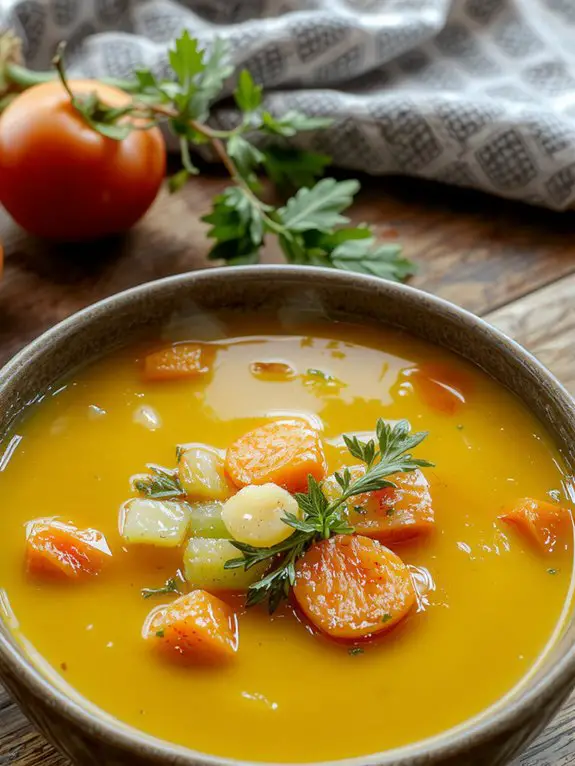
– Add hearty veggies: Toss in diced potatoes, green beans, or any other sturdy vegetables you like. Simmer for another 10-15 minutes until they’re tender but not mushy.
Pro tip: Cut these veggies into similar sizes for even cooking.
- Incorporate leafy greens: Stir in chopped spinach, kale, or cabbage during the last 5 minutes of cooking. This keeps them vibrant and retains their nutrients.
- Season to taste: Finish with a pinch of salt, black pepper, and a splash of lemon juice or vinegar to brighten the flavors.
Taste and adjust as needed—soups often need a bit more seasoning than you’d think.
– Serve and enjoy: Ladle the soup into bowls and garnish with fresh herbs, grated Parmesan, or a drizzle of olive oil if desired.
Leftovers taste even better the next day as the flavors continue to develop.
– Storage tips: Store cooled soup in an airtight container in the fridge for up to 3 days or freeze for up to 3 months.
Reheat gently on the stovetop or in the microwave, adding a splash of broth if needed to thin it out.
Nutrition
This homemade vegetable soup recipe provides essential nutrients and vitamins from fresh vegetables. Below is the approximate nutritional content per serving.
| Nutrient | Amount per Serving |
|---|---|
| Calories | 120 |
| Protein | 4g |
| Carbs | 20g |
| Fiber | 5g |
| Fat | 2g |
| Sodium | 480mg |
Chef Tips
Even though vegetable soup seems simple, I’ve found that a few small tricks can make a big difference. Sharpen your knife skills—consistent cuts guarantee even cooking.
Sauté aromatics like onions and garlic first to build flavor. Finish with fresh herbs or a drizzle of olive oil for brightness.
When serving, use plating techniques like layering colorful veggies or sprinkling seeds for visual appeal.
Frequently Asked Questions
Can I Freeze the Soup for Later Use?
Yes, I can freeze this soup for later! I’ll use airtight containers or freezer bags, leaving space for expansion. For best soup storage tips, I’ll cool it first and follow proper freezing techniques to maintain flavor.
How Long Does the Soup Last in the Fridge?
I keep my soup fresh in the fridge for 3-4 days. For storage tips, I let it cool first and use airtight container choices to maintain flavor and prevent spills. Glass or plastic containers work best.
Can I Use a Slow Cooker for This Recipe?
Yes, I can use a slow cooker for this recipe—it’s perfect for deepening flavors with slow cooker benefits. I’ll just adjust the cooking time to 6-8 hours on low or 3-4 on high.
What’s the Best Way to Reheat the Soup?
I’d reheat it on the stovetop over low heat, stirring occasionally, to keep the flavors intact. If I’m in a hurry, I’d use microwave reheating in short bursts, stirring between each to avoid hot spots.
Are There Low-Sodium Alternatives for the Broth?
Yes, there are low-sodium broth options I can use to reduce sodium levels. I’ll look for “low-sodium” or “no-salt-added” labels, or I might make my own broth to control the amount of salt I add to it.


