The Best Homemade White Cake Recipe
Recipe
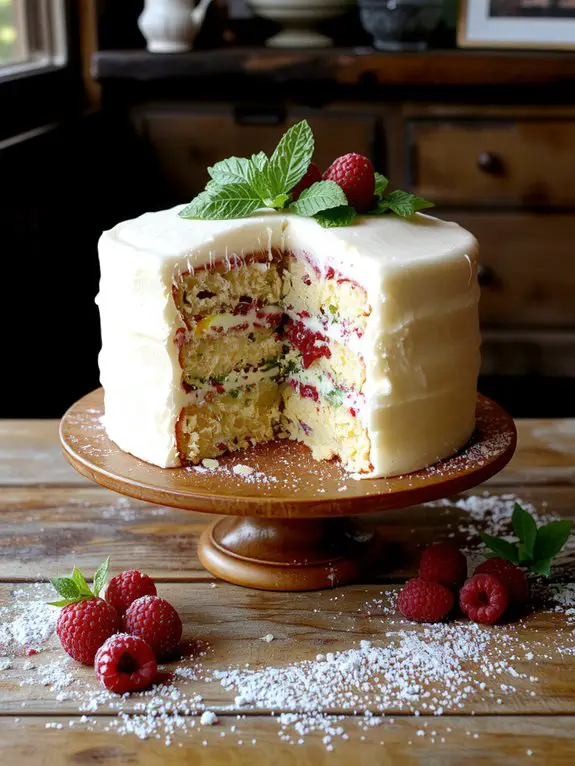
This white cake is the kind of dessert that makes people ask for seconds before they’ve even finished their first slice—I’ve made it countless times, and it never fails to impress. What sets it apart is its delicate crumb, pure vanilla flavor, and a lightness that feels like a cloud on your fork.
No fancy ingredients, just straightforward, pantry-staple magic that comes together effortlessly. I’ve been baking this for every family gathering, and my friends always beg me to bring it.
Imagine this: a tender, moist cake with a hint of sweetness, topped with a silky vanilla buttercream that melts in your mouth. Whether it’s for a birthday, a celebration, or just because, this cake is a guaranteed crowd-pleaser—and you’ll feel like a baking pro when you pull it off. Let’s get mixing!
Ingredients
To create a perfect white cake, it’s essential to start with high-quality ingredients. This recipe relies on staples you likely already have, but a few thoughtful choices can elevate your cake from good to extraordinary. Here’s what you’ll need, along with tips and swaps to make it your own:
For the Cake:
- All-purpose flour: The backbone of the cake. For a lighter texture, sift it before measuring.
- Granulated sugar: Adds sweetness and helps create a tender crumb. Avoid reducing the amount, as it’s vital for structure.
- Unsalted butter: Use room temperature butter for easy creaming. It provides richness and flavor—don’t substitute with margarine.
- Egg whites: The secret to a pure white cake. Separate them carefully for the best results.
- Whole milk: Adds moisture. If you only have low-fat, it’ll work, but whole milk gives a richer texture.
- Baking powder and baking soda: Leavening agents that guarantee the cake rises beautifully. Check their freshness!
- Vanilla extract: A must for flavor. Use pure extract, not imitation, for the best taste.
- Salt: Balances the sweetness. Even a pinch makes a difference.
For the Frosting (Optional but Recommended):
- Powdered sugar: Creates a smooth, sweet frosting. Sift it to avoid lumps.
- Unsalted butter: Again, room temperature is key for easy mixing.
- Heavy cream or milk: Use heavy cream for a richer consistency or milk for a lighter one.
- Vanilla extract: Adds depth to the frosting.
Optional Extras:
- Fresh berries or edible flowers: Perfect for garnishing and adding a pop of color.
- Food coloring: If you’re feeling festive, a drop of gel coloring can make the cake visually striking.
Pro Tips:
- Always use room temperature ingredients to guarantee even mixing.
- If you’re out of butter, you can substitute with an equal amount of high-quality vegetable oil, but the flavor will change slightly.
- Don’t overmix the batter once the flour is added to avoid a dense cake.
With these ingredients and tips, you’re ready to bake a white cake that’s moist, tender, and utterly irresistible.
How to Make the Best Perfect White Cake Recipe
- Divide batter evenly between pans – Use a kitchen scale for precision, or eyeball it with a measuring cup.
- Smooth the tops with a spatula for even baking.
- Bake for 25-30 minutes – Rotate pans halfway through for even browning.
- Cakes are done when a toothpick inserted in the center comes out clean or with a few moist crumbs.
- *Flexibility:* For cupcakes, bake 18-20 minutes; for a 9×13-inch pan, extend time to 30-35 minutes.
- Cool completely before frosting – Let cakes cool in pans for 10 minutes, then transfer to a wire rack.
- *Pro tip:* Wrap warm layers in plastic wrap and freeze for 30 minutes—this reduces crumbs when frosting.
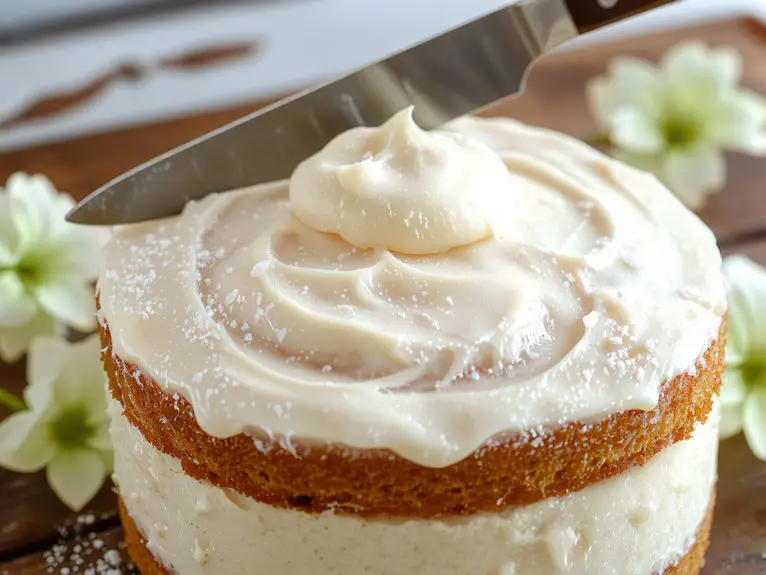
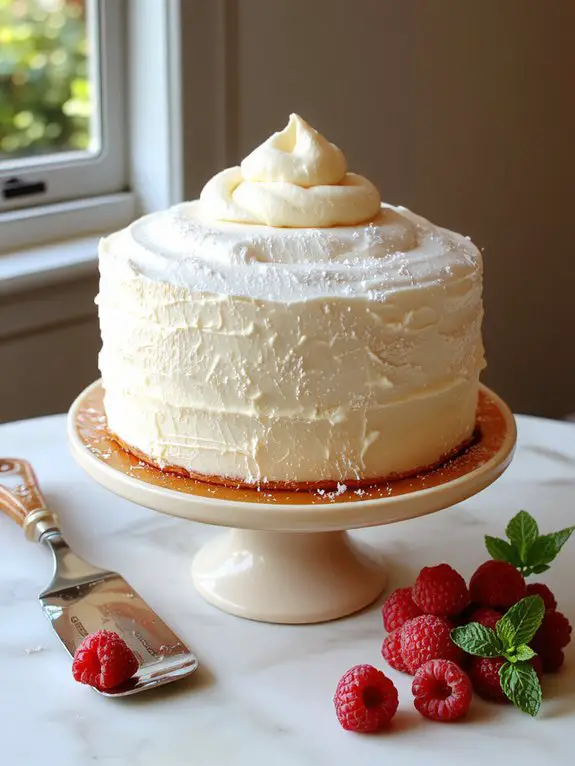
- Frost and decorate – Level the tops with a serrated knife if needed.
- Spread frosting between layers, then cover the entire cake.
- *Time-saving trick:* Use store-bought frosting if short on time, or whip up a simple buttercream with powdered sugar, butter, and a splash of milk.
- Slice and enjoy! – For clean cuts, dip your knife in hot water and wipe it dry between slices.
- Store leftovers covered at room temperature for up to 3 days.
Nutrition
Understanding the nutrition in each slice helps you enjoy this white cake responsibly. Here’s the breakdown:
| Nutrient | Amount per Serving |
|---|---|
| Calories | 250 kcal |
| Total Fat | 10 g |
| Saturated Fat | 6 g |
| Cholesterol | 45 mg |
| Sodium | 200 mg |
| Total Carbohydrate | 35 g |
| Dietary Fiber | 0.5 g |
| Sugars | 25 g |
| Protein | 4 g |
| Vitamin D | 0.1 mcg |
| Calcium | 50 mg |
| Iron | 0.5 mg |
| Potassium | 60 mg |
Chef Tips
When baking a white cake, I always make sure the butter and eggs are at room temperature to guarantee a smooth batter.
Cream the butter and sugar thoroughly for a light, fluffy texture.
Sift the dry ingredients to avoid lumps.
Fold in egg whites gently to keep the cake airy.
Use pure vanilla extract for the best flavor.
Don’t overmix—just combine until uniform.
Bake immediately for even rising.
Frequently Asked Questions
Can I Use This Recipe for Cupcakes?
Yes, I can use this recipe for cupcakes. I’ll just pour the batter into cupcake liners and adjust the baking time—usually 15-20 minutes at the same temperature. I’ll check with a toothpick to make sure they’re done.
How Do I Store Leftover Cake?
I’d store leftover cake in an airtight container at room temp for 2 days or refrigerate for up to a week. If it’s frosted, I’d chill it—just let it sit out before serving to soften.
Can I Substitute Butter for Oil?
Sure, I can substitute butter for oil. I’ll use the same amount of melted butter as the oil the recipe calls for. It’ll add richer flavor, but the texture might be slightly denser.
Why Did My Cake Turn Out Dense?
I likely overmixed the batter, used too much flour, or didn’t properly cream the butter and sugar. A dense cake can also happen if I added too much liquid or didn’t incorporate enough air while mixing.
Can I Freeze This Cake?
Yes, I can freeze this cake. I’ll let it cool completely, wrap it tightly in plastic, then add a layer of foil or store it in an airtight container. It’ll stay fresh for up to three months.