The Best Homemade Yellow Cake Recipe
Recipe
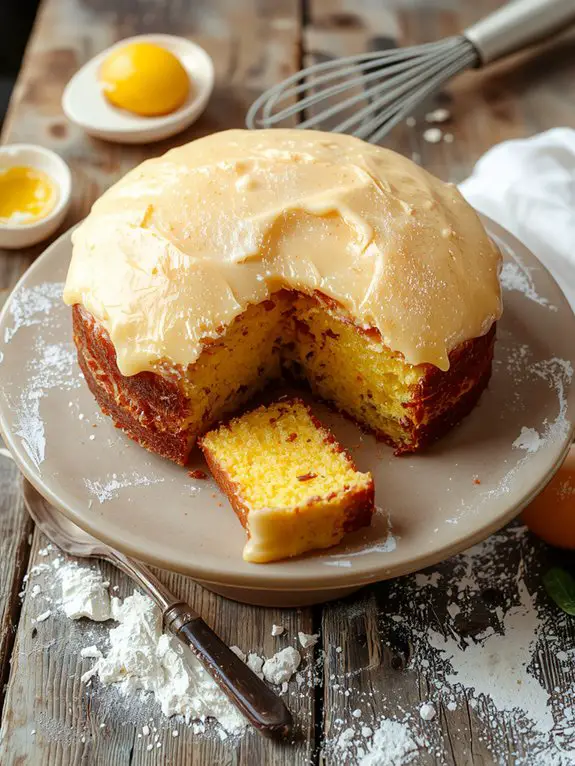
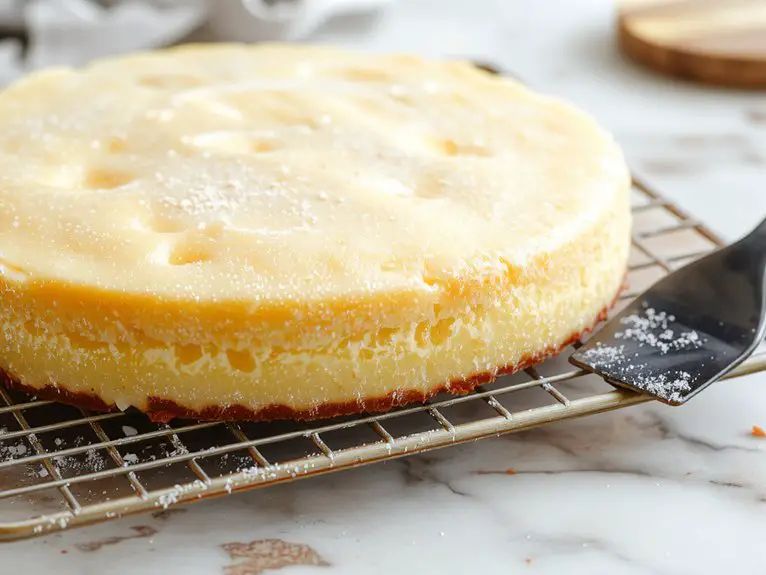
This homemade yellow cake recipe is the ultimate crowd-pleaser—I’ve baked it more times than I can count, and it never fails to steal the show.
What makes it special? It’s all about the perfect balance of moist, tender crumb and rich, buttery flavor, achieved with pantry staples you probably already have.
For me, a great cake isn’t just about the taste—it’s about the joy it brings, whether it’s for birthdays, potlucks, or just because.
Imagine this: a golden, fluffy cake with a melt-in-your-mouth texture, topped with your favorite frosting (or eaten straight from the pan, no judgment here).
Trust me, once you try this, you’ll wonder why you ever bothered with boxed mixes. Let’s bake something unforgettable!
Ingredients
For the Cake:
- All-purpose flour – Stick to unbleached for a lighter texture.
- Granulated sugar – Essential for sweetness and structure.
- Butter (unsalted, softened) – Adds richness; don’t substitute with margarine.
- Eggs (room temperature) – Acts as the binder and contributes to the cake’s golden hue.
- Milk (whole preferred) – Adds moisture; use buttermilk for a tangier twist.
- Baking powder + baking soda – Leavening agents for the perfect rise.
- Vanilla extract – Pure extract is non-negotiable for that classic flavor.
- Salt – Enhances sweetness and balances the overall taste.
Pro Tips:
- Room temperature ingredients guarantee even mixing and a smoother batter.
- Swap milk with buttermilk for a tender crumb and subtle tang.
Optional Elevations:
- A pinch of almond extract – Adds depth without overpowering the vanilla.
- Cake flour (instead of all-purpose) – For an ultra-light, delicate texture.
This yellow cake relies on pantry staples but shines with attention to detail.
Stick to these essentials, and you’ll have a cake that’s moist, flavorful, and utterly irresistible.
How to Make the Best Classic Yellow Cake Recipe
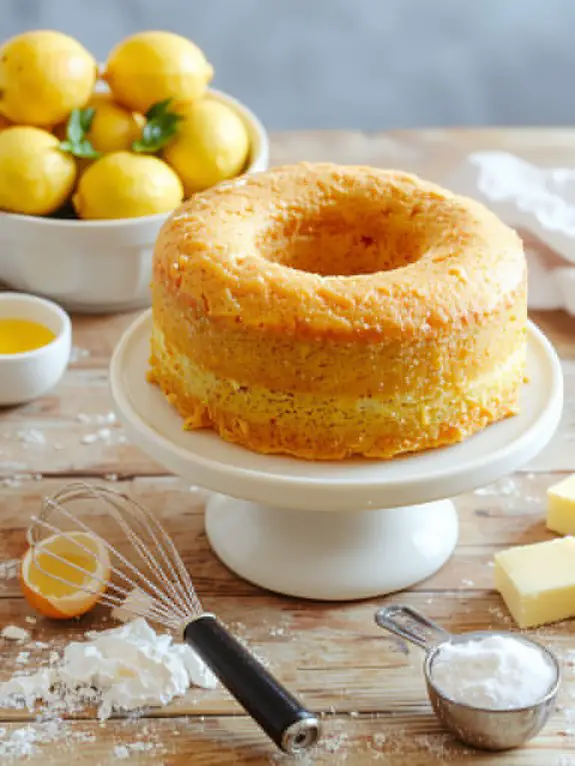
- Add eggs one at a time, beating well after each addition. This prevents the batter from curdling and guarantees the eggs are fully incorporated.
- Mix in vanilla extract for that classic yellow cake flavor. Pure vanilla extract works best for a richer taste.
- Whisk together the dry ingredients—flour, baking powder, and salt—in a separate bowl. Combining them first assures even distribution and prevents lumps in the batter.
- Alternate adding the dry ingredients and milk to the butter mixture, starting and ending with the dry ingredients.
- Mix on low speed just until combined—overmixing can make the cake dense.
- Divide the batter evenly between the prepared pans and smooth the tops with a spatula. An even layer secures the cakes bake uniformly.
- Bake for 25–30 minutes, or until a toothpick inserted into the center comes out clean. Keep an eye on the cake—overbaking can dry it out.
- Let the cakes cool in the pans for 10 minutes, then transfer them to a wire rack to cool completely. This prevents the cakes from becoming soggy from trapped steam.
- Frost and layer the cakes once they’re completely cool. Warm cakes can melt the frosting, so patience here pays off!
Pro Tip: For an extra layer of flavor, brush the cakes with a simple syrup (equal parts sugar and water, boiled and cooled) before frosting. This maintains the cake moist and adds a subtle sweetness.
Watch Out: Avoid opening the oven door frequently while baking, as this can cause the cake to sink.
Nutrition
This classic homemade yellow cake is a treat to enjoy in moderation.
It contains a balance of carbohydrates, fats, and proteins.
| Calories | 250 |
|---|---|
| Total Fat | 9g |
| Saturated Fat | 5g |
| Cholesterol | 45mg |
| Sodium | 210mg |
| Total Carbohydrate | 38g |
| Dietary Fiber | 0g |
| Sugars | 25g |
| Protein | 4g |
Chef Tips
Making a perfect yellow cake isn’t just about following the recipe—it’s about mastering a few key techniques. Cream butter and sugar until fluffy for a light crumb. Use room-temperature ingredients to guarantee even mixing.
Don’t overbeat the batter—just blend until smooth. Bake in a preheated oven to avoid sinking. Let it cool completely before frosting to prevent tearing.
These small steps make all the difference between good and great.
Frequently Asked Questions
Can I Use This Recipe for Cupcakes?
Yes, I can use this recipe for cupcakes. I’ll need to adjust the baking time since cupcakes bake faster than a whole cake. I’ll also use cupcake liners and check for doneness with a toothpick.
How Do I Store Leftover Cake?
I’d wrap leftover cake tightly in plastic or store it in an airtight container. It’ll stay fresh at room temp for 2 days or in the fridge for up to 5. Freeze slices for longer storage.
Can I Freeze the Cake?
Yes, I can freeze the cake! Just wrap it tightly in plastic or foil, then place it in an airtight container. It’ll last up to 3 months—thaw it at room temp when I’m ready to enjoy.
What’s the Best Frosting for This Cake?
I’d go with a classic vanilla buttercream—it’s rich, creamy, and pairs perfectly with yellow cake. If you want something lighter, try whipped cream frosting. Chocolate ganache also works if you’re craving a deeper flavor.
Can I Make This Cake Gluten-Free?
I’d swap the regular flour for a gluten-free blend, but I’d add xanthan gum if it’s not already included. I’ve found it helps mimic the texture of wheat flour, so the cake stays soft and fluffy.