The Best Homemade Mochi Recipe
Recipe
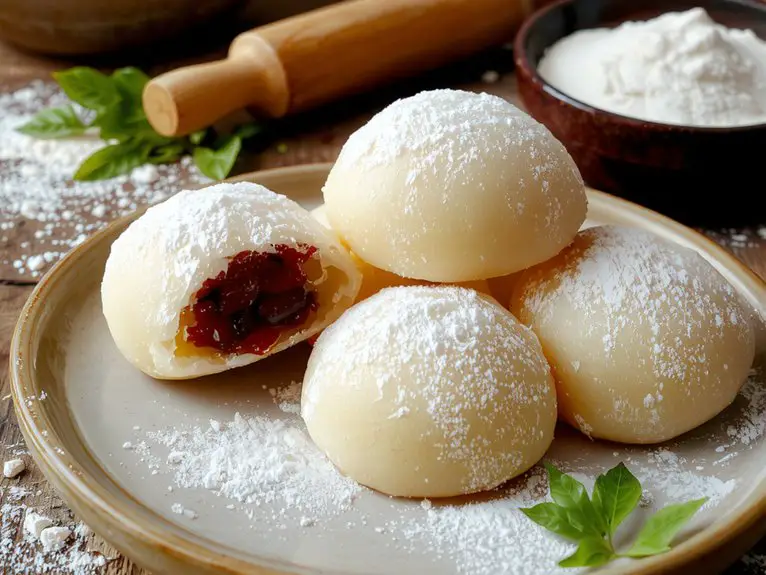
If you’ve ever tasted mochi, you know there’s something magical about its soft, chewy texture and subtly sweet flavor that makes it impossible to resist. What if I told you that making mochi at home isn’t only achievable but also incredibly rewarding?
Forget the store-bought versions—this recipe delivers fresh, pillowy mochi that’s downright addictive. The secret lies in using glutinous rice flour (mochiko), which gives it that signature stretchy, satisfying bite.
Whether you’re filling it with red bean paste, shaping it into bite-sized balls, or dusting it with kinako (roasted soybean flour), every bite is a little bite of heaven. Trust me, once you try homemade mochi, you’ll wonder why you ever settled for anything else.
Let’s jump right in and create something truly special!
Ingredients
The secret to perfect homemade mochi lies in the simplicity of its ingredients—each one plays a pivotal role in achieving that signature chewy texture and delicate sweetness. While the recipe is forgiving, a few key elements can make or break your batch. Here’s what you’ll need, with insider tips to guarantee success:
- Glutinous rice flour (mochiko) – The star of the show! Don’t let the name fool you—it’s gluten-free but vital for that stretchy, pillowy bite. *Pro tip:* Look for brands like Mochiko (blue box) for consistent results.
- Granulated sugar – Balances the subtle rice flavor. Adjust to taste, but don’t skip it—it also helps tenderize the dough.
- Water – Use room temperature for even mixing. Some recipes swap in coconut milk for extra richness (try it if you’re feeling adventurous!).
- Cornstarch or potato starch – For dusting. Non-negotiable unless you want sticky fingers! Cornstarch is neutral, but potato starch adds a slight sheen.
- Food coloring (optional) – Gel-based works best for vibrant hues without thinning the dough.
- Fillings (optional) – Classic red bean paste (anko) or matcha-infused white chocolate are chef favorites. *Little win:* Freeze fillings for easier wrapping.
*Substitutions:* No glutinous rice flour? Try tapioca flour for a similar chew (though texture will differ). For a vegan twist, swap sugar with coconut sugar—just note the darker color.
How to Make the Best Perfect Mochi Texture Guide
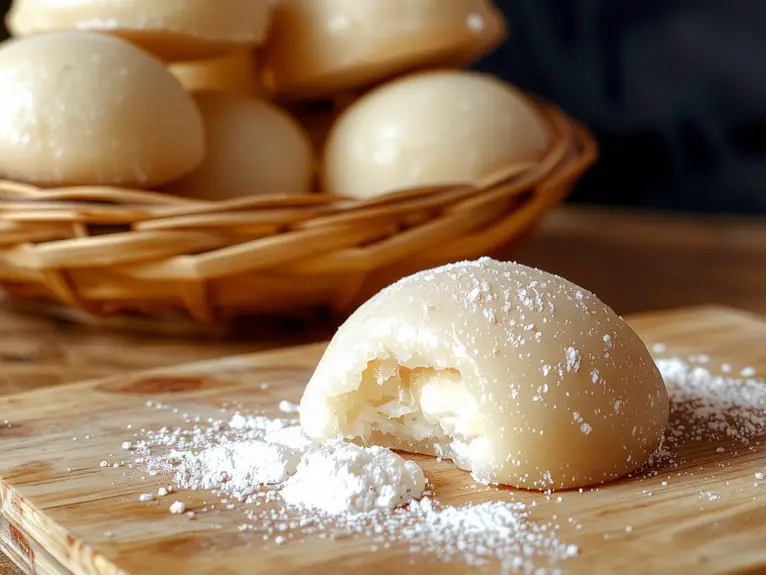
– Serve fresh or store properly: Enjoy immediately for the softest texture, or wrap tightly to keep for 1–2 days.
*Flexibility: For longer storage, freeze and thaw at room temperature.*
Nutrition
Mochi is a delicious Japanese treat made from glutinous rice flour. Here’s the nutritional breakdown for a typical homemade mochi recipe.
| Nutrient | Amount per Serving (1 piece) |
|---|---|
| Calories | 100 kcal |
| Carbohydrates | 22 g |
| Protein | 1 g |
| Fat | 0 g |
| Fiber | 0.5 g |
| Sugar | 5 g |
Chef Tips
When making mochi at home, I’ve found that using a stand mixer with a paddle attachment saves time and effort while ensuring a smooth, even texture.
Dust your hands and work surface generously with potato starch to prevent sticking.
Keep the dough covered with a damp cloth to avoid drying out.
For fillings, use fresh ingredients and balance sweetness to complement the mochi’s chewiness.
Frequently Asked Questions
Can I Use a Microwave Instead of a Steamer?
Yes, I can use a microwave instead of a steamer for mochi. I’ll mix the ingredients, cover them, and microwave in short bursts, stirring between each one until it’s smooth and stretchy. It’s quicker but needs careful watching.
How Long Does Homemade Mochi Stay Fresh?
I’d say homemade mochi stays fresh for about 2-3 days at room temp, but it’ll last up to a week if you refrigerate it. Just wrap it tightly so it doesn’t dry out or get stale.
Can I Freeze Mochi for Later Use?
Yes, I can freeze mochi for later use. I wrap it tightly in plastic wrap or store it in an airtight container to prevent freezer burn. When I’m ready to eat it, I let it thaw at room temperature.
What’s the Best Way to Store Leftover Mochi?
Store leftover mochi in an airtight container at room temperature for a day or two. For longer storage, wrap it tightly in plastic and refrigerate for up to a week—just let it soften before eating.
Can I Make Mochi Without Glutinous Rice Flour?
Yes, I can make mochi without glutinous rice flour by using alternatives like tapioca flour or potato starch. It won’t have the exact same texture, but it’ll still be chewy and fun to experiment with.