Sourdough Pizza Dough Recipe for Homemade Pizza
Make homemade sourdough pizza dough with long fermentation, a crisp-chewy crust, and deep flavor for pizza night at home.

There is something deeply satisfying about making pizza dough with your own hands, especially when the kitchen fills with that warm, yeasty smell. If you have ever wanted a crust with more character than store-bought dough can give you, this one is for you. The long fermentation does most of the work, so you get a dough that feels tender, stretchy, and full of flavor. And if the dough seems a little sticky at first, don’t worry—that is common, and a light dusting of flour or a small splash of water can help bring it back into balance.
This sourdough pizza dough gives you a crisp, chewy crust and that gentle tang people love in naturally leavened baking. It works well for a cozy family pizza night or for two thinner pies if you want to stretch it further. You can bake it the same day after the first rise, or let it rest in the refrigerator for deeper flavor. Ready to make your own homemade pizza with that rustic, artisan finish?

Why My Recipe
- Long fermentation builds a more complex, tangy flavor.
- The dough bakes with a crisp edge and chewy center.
- You can make one thicker pizza or two 12-inch pizzas.
- It uses simple pantry ingredients and an active starter.
- The method is flexible for kneading or stretch-and-folds.
Norma Ector

Ingredient Notes
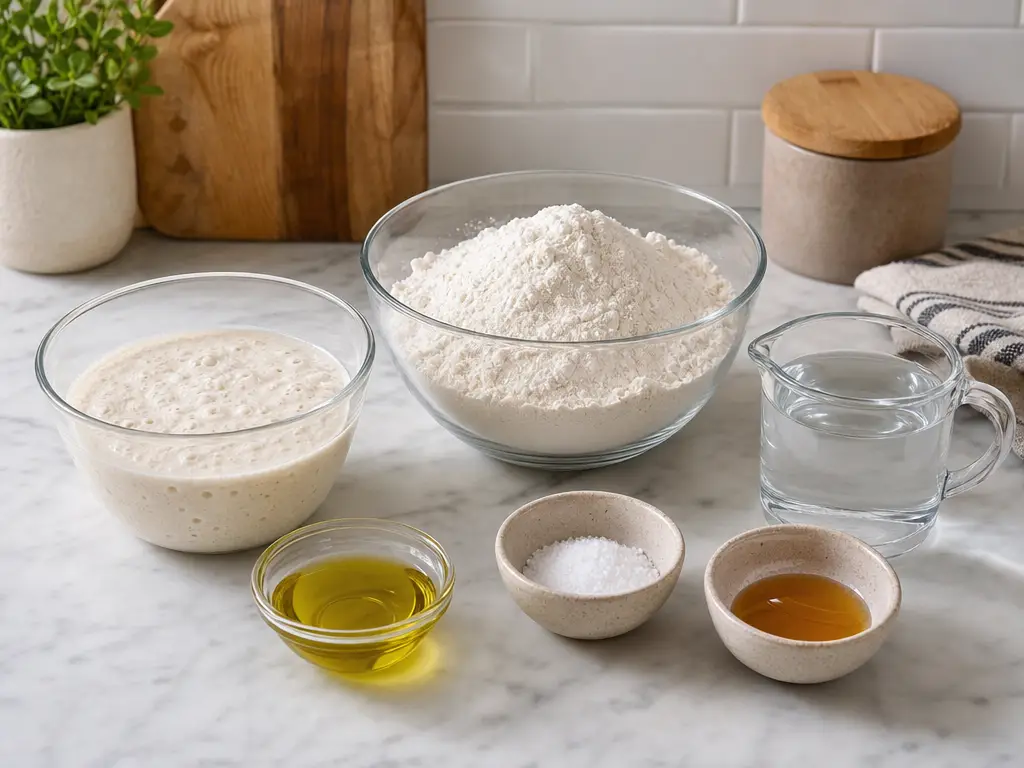
- 1 cup active sourdough starter, bubbly and recently fed: Use starter at peak rise for the best lift and flavor. An active starter helps the dough rise properly.
- 3 1/2 cups all-purpose flour, plus more for dusting: All-purpose flour keeps the dough easy to work with and gives a balanced crust. Add a little extra only as needed while shaping.
- 1 1/4 cups warm water: Warm water helps the starter mix in smoothly and supports fermentation. If the dough feels too dry, add a tablespoon or two more.
- 2 tablespoons olive oil: Olive oil adds richness and helps the dough stay tender with a better stretch.
- 1 1/2 teaspoons salt: Salt strengthens flavor and supports the dough’s structure.
- 1 teaspoon sugar or honey, optional: This optional touch can give the dough a little extra browning and subtle balance, but it is not required.
Instruction Steps
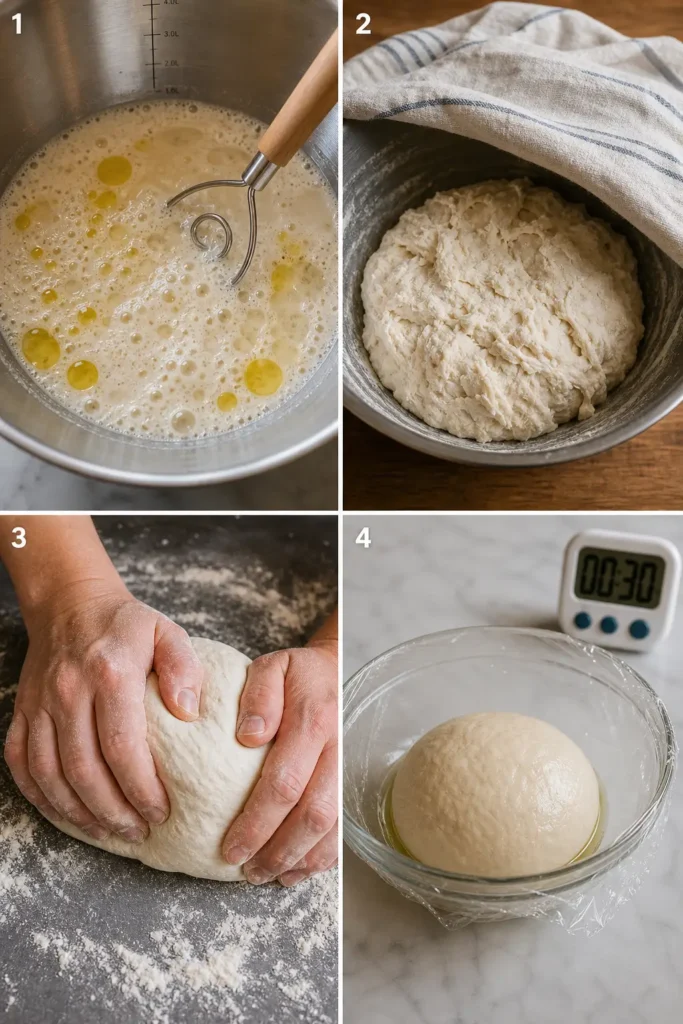
- Start by combining the active sourdough starter, warm water, and olive oil in a large bowl. Stir well so the starter loosens into the liquid and blends more evenly.
- Add the flour, salt, and the optional sugar or honey. Mix until the dough looks rough and shaggy, with no dry flour left at the bottom of the bowl.
- Cover the bowl and let the dough rest for 20 to 30 minutes. This pause lets the flour absorb the water and makes the dough easier to handle later.
- Move the dough to a lightly floured surface and knead for 5 to 8 minutes until it feels smooth and elastic. If you prefer, you can keep it in the bowl and use a few stretch-and-folds during the first hour instead of full kneading.
- Place the dough in a lightly oiled bowl, cover it, and let it rise at room temperature for 6 to 8 hours, or until it looks puffy and has grown noticeably. If your kitchen is cool, plan for extra time.
- For even deeper flavor, cover the dough and refrigerate it for 8 to 24 hours after the first rise. This slower fermentation gives the crust more complexity.
- When you are ready to bake, take the dough out of the refrigerator if needed and let it sit at room temperature for 30 to 60 minutes so it softens and stretches more easily.
- Preheat the oven to 500°F with a pizza stone or baking steel inside for at least 30 minutes. If you do not have one, a heavy baking sheet works too.
- Divide the dough into 2 equal portions for two 12-inch pizzas, or leave it as one larger dough for a thicker crust. Shape the portions into balls and let them rest for 10 to 15 minutes.
- On a floured surface, stretch or roll each dough ball into a pizza round. Move it to parchment paper or a pizza peel dusted with flour or cornmeal so it releases easily.
- Add sauce and toppings, but keep a small border around the edge for the crust.
- Bake for 8 to 12 minutes, watching for a deeply golden crust and bubbling cheese. Rotate the pizza once if needed so it browns evenly.
- Remove the pizza from the oven, let it cool for 1 to 2 minutes, then slice and serve while the crust is still crisp.
Nutrition
| Calories | 260 |
|---|---|
| Carbohydrates | 44 g |
| Protein | 7 g |
| Fat | 6 g |
| Saturated Fat | 1 g |
| Cholesterol | 0 mg |
| Sodium | 390 mg |
| Fiber | 2 g |
Storage & Reheating Instructions
Store leftover baked pizza in an airtight container in the refrigerator for up to 3 days.
Reheat slices in a 375°F oven or on a skillet until the crust turns crisp again and the cheese is warm.
For longer storage, freeze baked slices wrapped well, then reheat from frozen in the oven until heated through.
The dough itself can be refrigerated during the 8 to 24 hour cold fermentation stage as directed in the recipe.
Sourdough Pizza Dough Recipe for Homemade Pizza
This sourdough pizza dough bakes up with a crisp edge, chewy center, and rich fermented flavor that makes homemade pizza feel special.

Ingredients
Instructions
- In a large mixing bowl, combine the sourdough starter, warm water, and olive oil. Stir until the starter is mostly dissolved.
- Add the flour, salt, and sugar or honey if using. Mix until a shaggy dough forms and no dry flour remains.
- Cover the bowl and let the dough rest for 20 to 30 minutes to hydrate.
- Turn the dough onto a lightly floured surface and knead for 5 to 8 minutes, or until smooth and elastic. You can also stretch and fold the dough in the bowl a few times over the first hour instead of kneading.
- Place the dough in a lightly oiled bowl, cover, and let it rise at room temperature for 6 to 8 hours, or until noticeably puffy and increased in size. If your kitchen is cool, this may take longer.
- For deeper flavor, refrigerate the covered dough for 8 to 24 hours after the first rise.
- When ready to bake, remove the dough from the refrigerator if needed and let it sit at room temperature for 30 to 60 minutes.
- Preheat the oven to 500°F with a pizza stone or baking steel inside for at least 30 minutes. If you do not have one, preheat a heavy baking sheet instead.
- Divide the dough into 2 equal portions for two 12-inch pizzas, or keep it as one larger dough for a thicker crust. Shape each portion into a ball and let it rest for 10 to 15 minutes.
- On a floured surface, stretch or roll the dough into a pizza round. Transfer it to parchment paper or a pizza peel dusted with flour or cornmeal.
- Add your desired sauce and toppings, leaving a small border around the edges.
- Bake for 8 to 12 minutes, or until the crust is deeply golden and the cheese is melted and bubbling. Rotate once if needed for even browning.
- Remove from the oven, let cool for 1 to 2 minutes, slice, and serve.
Notes
- For best flavor, use an active starter at peak rise.
- Longer cold fermentation improves flavor and digestibility.
- Flour absorption can vary; add a tablespoon or two of water if the dough feels too dry.
- This dough works well for one thick pizza or two thinner 12-inch pizzas.
Nutrition
Calories: 260 | Carbohydrates: 44 g | Protein: 7 g | Fat: 6 g | Saturated Fat: 1 g | Cholesterol: 0 mg | Sodium: 390 mg | Fiber: 2 g | Sugar: 0 g
What to Serve With This Recipe




Leave a Review or Ask a Question
Your rating, tips, and questions help other home cooks. Tell us how it turned out or ask anything before you make it.
You May Also Like

Questions & Answers
Recipe FAQs
Do I need an active sourdough starter for this dough?
Yes, use a starter that is bubbly and recently fed. That gives the dough the strength it needs to rise well and develop flavor.
Can I make the dough the same day?
Yes. After the first rise at room temperature, you can bake it without the cold fermentation step if needed. The refrigerator time simply adds more flavor.
What if my dough feels too sticky?
That can happen, especially if your flour absorbs water differently. Dust the surface lightly with flour while shaping, or add a tablespoon or two of water earlier if the dough seems too dry and tight.
What if I do not have a pizza stone or baking steel?
Use a heavy baking sheet instead. Preheat it in the oven so the bottom of the crust gets better heat and browning.
Can I make one large pizza instead of two?
Yes. You can keep the dough as one larger portion for a thicker crust, or divide it into two equal pieces for thinner 12-inch pizzas.
What gives sourdough pizza dough its flavor?
The long fermentation gives the dough its gentle tang and deeper, more rounded flavor. If you try it, what toppings would you put on first?