The Best Homemade Ratatouille Recipe
Recipe
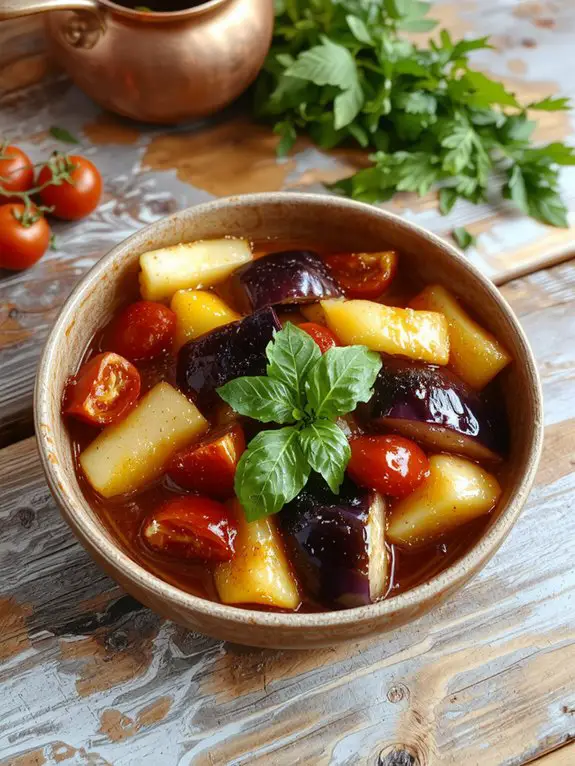
This ratatouille recipe is hands-down the best you’ll ever make—I’m so confident in it that I serve it to my pickiest guests without hesitation. Bursting with the vibrant flavors of peak-season vegetables like eggplant, zucchini, and tomatoes, it’s a celebration of summer in every bite.
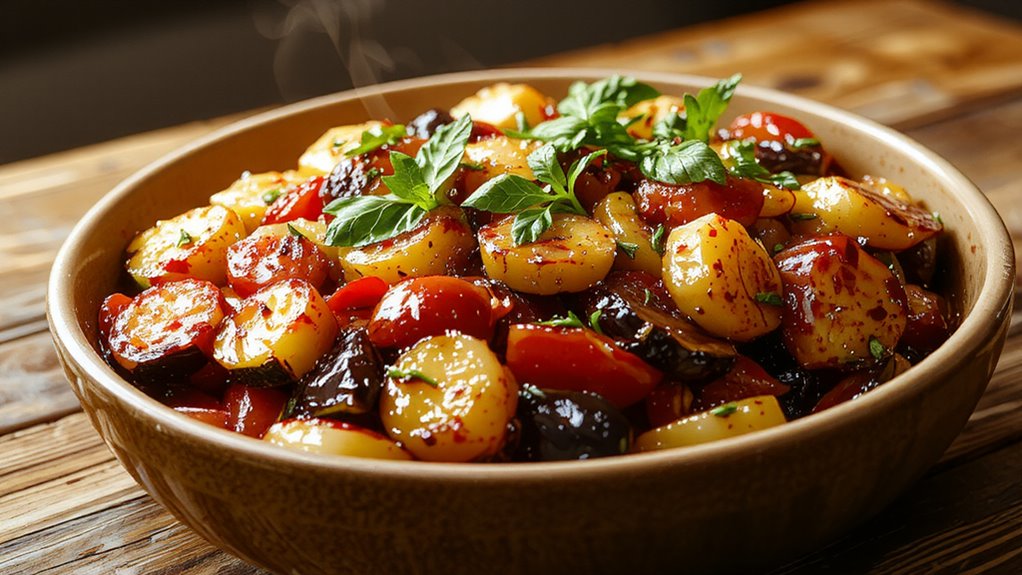
What sets it apart? The slow-roasting method, which coaxes out an incredible depth of flavor and transforms the vegetables into a melt-in-your-mouth masterpiece.
I’ve been making this dish for years, and it’s become my go-to for everything from weeknight dinners to fancy gatherings. Picture tender slices of eggplant, sweet bell peppers, and fresh herbs mingling in a rich, garlicky tomato base—it’s hearty, wholesome, and utterly irresistible.
Trust me, once you try this version, you’ll never look at ratatouille the same way again. And the best part? It’s surprisingly simple to make, so you’ll feel like a pro from the very first bite.
Ingredients
To create a truly vibrant and flavor-packed ratatouille, the right ingredients are essential. Focus on fresh, seasonal produce—this is the heart of the dish.
Don’t skimp on olive oil; it brings out the richness of the vegetables and ties everything together. Here’s what you’ll need:
Vegetables:
- 1 large eggplant (choose firm, glossy ones—no soft spots!)
- 2 medium zucchinis (sub with yellow squash if needed)
- 1 red bell pepper (green works, but red adds sweetness)
- 1 yellow bell pepper (optional, but adds color contrast)
- 1 large onion (yellow or white, for a sweet base)
- 4 ripe tomatoes (or canned crushed tomatoes for convenience)
Herbs & Seasoning:
- 4 cloves garlic (fresh is non-negotiable—jarred won’t do)
- 1/4 cup fresh basil (sub with parsley if basil isn’t available)
- 1/4 cup fresh thyme (dried thyme works in a pinch, but fresh is superior)
- 2 bay leaves (don’t skip—they add depth)
- Salt and freshly ground black pepper (to taste)
Oil & Extras:
- 1/4 cup extra-virgin olive oil (the good stuff—it makes all the difference)
- 1 tbsp balsamic vinegar (optional, adds a tangy twist)
Pro Tips:
- Use heirloom tomatoes for a more complex flavor.
- If eggplant feels bitter, slice and sprinkle with salt, let sit for 30 minutes, then rinse and pat dry.
- Don’t overcook the vegetables—they should retain some bite for texture.
Little Wins:
– Garnish with extra fresh basil or a drizzle of olive oil before serving for a restaurant-worthy finish.
How to Make the Best Classic French Ratatouille Recipe
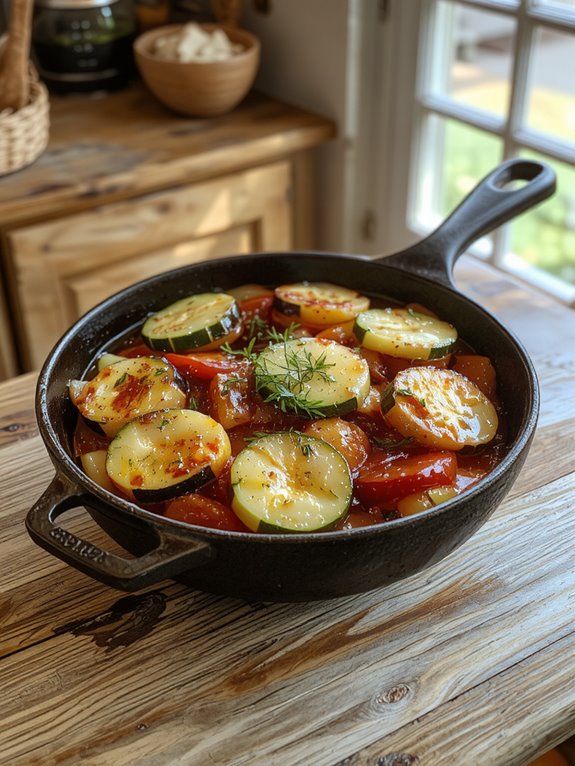
– Stir in the diced zucchini and eggplant, cooking until they begin to soften. These vegetables are added later to prevent overcooking, as they can become mushy if cooked too long.
– Add the diced tomatoes, tomato paste, and herbs (thyme, basil, and oregano).
The tomatoes provide acidity and moisture, while the herbs infuse the dish with a classic French flavor profile.
– Simmer the mixture for 10-15 minutes, stirring occasionally.
This allows the flavors to meld together and the vegetables to fully tenderize without losing their shape.
– Transfer the ratatouille to a baking dish if you prefer a baked version.
Baking gives the dish a slightly caramelized top layer and deeper flavor.
– Bake for 20 minutes uncovered.
This step is optional but recommended for added depth of flavor and a slightly firmer texture.
– Garnish with fresh basil or parsley before serving.
Fresh herbs add a bright, aromatic finish to the dish.
Pro Tip: For a shortcut, use canned diced tomatoes instead of fresh. Just make sure to drain them slightly to avoid excess liquid in the dish.
Watch Out: Don’t overcook the vegetables—they should be tender but still hold their shape. Overcooking can make the ratatouille mushy.
Flexibility: This recipe can be made stovetop-only if you’re short on time. Skip the baking step and simply simmer until the vegetables are tender.
Nutrition
Ratatouille is a nutritious dish packed with vegetables. Here is the nutritional breakdown per serving:
| Nutrient | Amount |
|---|---|
| Calories | 120 |
| Protein | 3g |
| Carbohydrates | 15g |
| Fiber | 4g |
| Sugars | 8g |
| Fat | 6g |
| Saturated Fat | 1g |
| Sodium | 320mg |
Chef Tips
A perfectly cooked ratatouille balances tender vegetables with vibrant flavors. I always focus on knife skills, ensuring uniform cuts for even cooking.
Use a sharp chef’s knife to slice zucchini, eggplant, and tomatoes into consistent pieces.
For plating techniques, I layer the vegetables neatly or arrange them in a spiral for visual appeal. Drizzle with olive oil and garnish with fresh herbs to elevate the dish.
Frequently Asked Questions
Can I Use Frozen Vegetables for Ratatouille?
I’d say you can use frozen vegetables, but frozen zucchini and frozen eggplant might get mushy. I’d thaw and drain them first to avoid extra water. Fresh veggies work best, but frozen’ll do in a pinch.
Is Ratatouille Gluten-Free?
Yes, ratatouille’s gluten-free ingredients like fresh vegetables, olive oil, and herbs make it safe for a gluten-free diet. I always check labels on store-bought broth or spices to verify they’re gluten-free too.
Can I Make Ratatouille in a Slow Cooker?
Yes, I can make ratatouille in a slow cooker. For slow cooker tips, I’d chop veggies evenly and set it on low for 6-8 hours or high for 3-4 hours, adjusting cooking times variations based on my preference.
How Do I Store Leftover Ratatouille?
I store leftover ratatouille in an airtight container to keep it fresh. Proper storage tips include letting it cool first before refrigerating. Its fridge life is about 3 to 5 days, and I reheat it gently before eating.
Can I Add Meat to Ratatouille?
Yes, I can add meat to ratatouille for a protein addition. I’d try a meat variation like sausage or chicken, browning it first for flavor, though it’s not traditional. It’ll make the dish heartier and more filling.