The Best Homemade Stir Fry Recipe
Recipe
There’s something magical about a perfectly balanced stir fry—crisp-tender veggies, savory-sweet sauce, and just the right bite of protein—and this recipe nails it every time. What makes this version stand out? A killer combo of fresh garlic, ginger, and a splash of toasted sesame oil that transforms simple ingredients into a dish bursting with flavor.
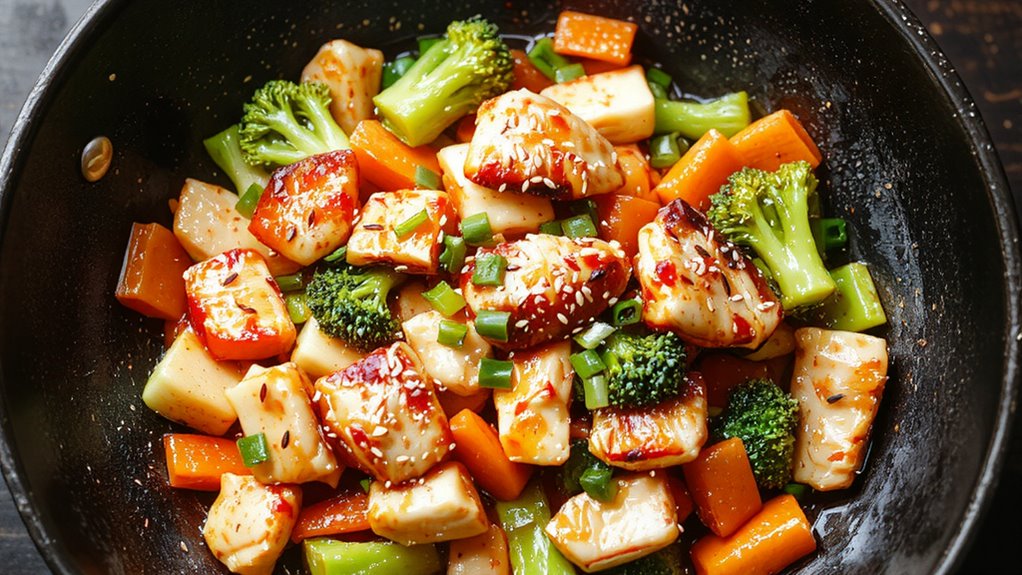
I’ve made this countless times for weeknight dinners and impromptu gatherings, and it never fails to disappear fast. Picture tender strips of chicken (or tofu!) caramelized in a glossy, umami-rich sauce, tangled with vibrant peppers and snap-worthy broccoli.
Best part? It comes together faster than takeout. Trust me, once you try this, your stir-fry game will never be the same.
Ingredients
Stir fry is all about balance and fresh, high-quality ingredients that come together quickly for a vibrant and satisfying meal. The secret to a great stir fry is using the right combination of proteins, vegetables, and sauces—plus a few chef-approved tips to elevate the dish. Here’s what you’ll need:
- Protein:
- Chicken breast, thinly sliced (swap with tofu, shrimp, or beef for variety)
- Soy sauce or tamari (a non-negotiable for that umami depth)
- Vegetables:
- Bell peppers, sliced (adds sweetness and crunch)
- Broccoli florets (fresh is best, but frozen works in a pinch)
- Carrots, julienned (use a mandoline for even cuts)
- Snap peas (don’t overcook—keep them crisp!)
- Garlic and ginger, minced (absolute essentials for aroma and flavor)
- Sauce:
- Sesame oil (a drizzle at the end elevates the dish—don’t skip it!)
- Oyster sauce or hoisin (swap with teriyaki if needed)
- Rice vinegar (adds brightness—fresh lime juice works too)
- Cornstarch slurry (to thicken the sauce beautifully)
- Extras:
- Cooked jasmine or brown rice (quinoa or noodles are great alternatives)
- Sesame seeds (for that final touch of elegance)
- Red pepper flakes (optional, for a spicy kick)
Pro tip: Prep everything before you start cooking—stir fry moves fast, and having your ingredients ready (aka mise en place) guarantees nothing burns or gets overcooked!
How to Make the Best Stir Fry Technique Guide
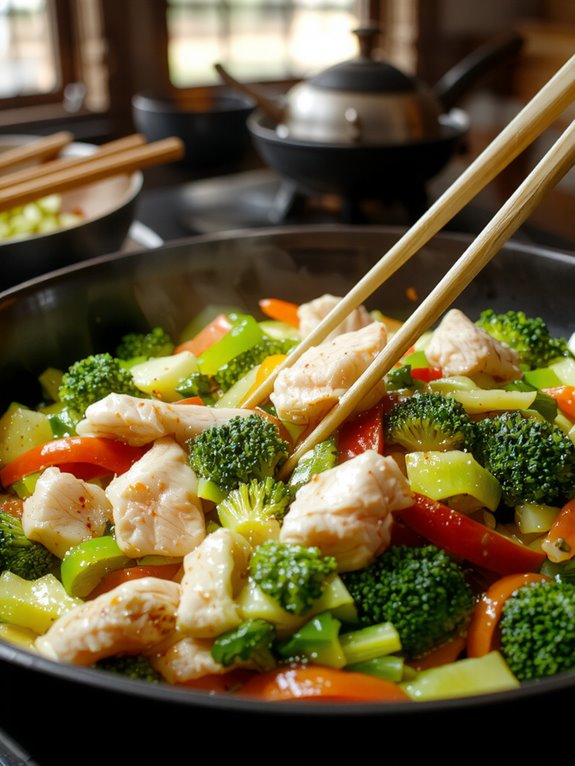
- Prep Your Veggies and Protein First: Chop all your vegetables and protein into even, bite-sized pieces before you start cooking. This guarantees everything cooks evenly and you’re not scrambling mid-process. Keep them in separate bowls for easy access.
- Heat Your Pan or Wok Properly: Place your wok or skillet over high heat and let it get hot before adding oil. A hot pan is key to achieving that perfect sear and preventing food from steaming. Swirl the oil to coat the surface evenly.
- Cook Protein in Batches: Add your protein to the hot pan in a single layer and let it sear without stirring for 1-2 minutes. This creates a delicious caramelized crust.
Avoid overcrowding the pan—cook in batches if necessary. Overcrowding lowers the temperature and leads to steaming instead of searing.
- Set Aside Protein and Cook Veggies: Once the protein is cooked through, transfer it to a plate. Add a splash of oil to the same pan and toss in your harder vegetables (like carrots or broccoli) first, followed by softer ones (like bell peppers or zucchini). Stir frequently to prevent burning.
- Sauce It Up: Push the veggies to the sides of the pan and pour your stir fry sauce into the center. Let it bubble and thicken slightly for about 30 seconds before mixing everything together. This allows the flavors to meld and coat the ingredients evenly.
- Combine and Final Heat: Add the cooked protein back to the pan and toss everything together until heated through. Taste and adjust seasoning with a pinch of salt, soy sauce, or a squeeze of lime if needed.
- Serve Immediately: Stir fry is best served fresh and hot. Garnish with sesame seeds, chopped herbs, or crushed peanuts for extra flavor and texture. Pair with rice or noodles for a complete meal.
*Pro Tip: To save time, prep your ingredients the night before or use pre-cut veggies from the store.
*Watch Out: Don’t overdo the sauce—too much can make the dish soggy. Start with less and add as needed.
*Visual Cue: Look for veggies that are tender-crisp and protein that’s golden brown for the perfect stir fry texture.
Nutrition
This homemade stir fry recipe is packed with nutrients, providing a balanced meal. Here are the nutritional details per serving:
| Nutrient | Amount |
|---|---|
| Calories | 250 kcal |
| Protein | 15 g |
| Fat | 8 g |
| Carbohydrates | 30 g |
| Fiber | 5 g |
| Sugar | 6 g |
| Sodium | 400 mg |
Chef Tips
To make your stir fry truly shine, I always recommend prepping all your ingredients before heating the pan. Sharpen your knife skills to guarantee even cuts for even cooking.
Think about plating ideas—arrange your stir fry in a mound with garnishes like sesame seeds or herbs for visual appeal.
Finally, cook in batches to avoid overcrowding the pan and steaming instead of searing.
Frequently Asked Questions
Can I Use Frozen Vegetables in Stir Fry?
Yes, I can use frozen vegetables in stir fry. I make sure they’re safe by checking for freezer burn, and I skip thawing frozen vegetables—just toss them straight into the pan to keep their texture intact.
What’s the Best Oil for Stir Fry?
I always use oils with a high smoke point for stir fry, like peanut, avocado, or sesame oil. They handle heat well without burning, so my food cooks evenly and doesn’t end up tasting smoky or bitter.
How Do I Prevent the Noodles From Sticking?
I prevent noodles from sticking by rinsing them under cold water after cooking—proper rinsing removes excess starch. I also toss them with a little oil for noodle separation before adding them to the stir fry.
Can I Make Stir Fry Ahead of Time?
I can make stir fry ahead of time for meal prep by cooking ingredients separately, storing them airtight, and reheating quickly before serving. It saves time management and keeps flavors fresh when I’m ready to eat.
What’s a Good Substitute for Soy Sauce?
I’d suggest coconut aminos as a soy alternative—it’s gluten-free and has a similar flavor. Tamari’s another gluten-free option if you don’t mind staying in the soy family. Both work well in most recipes.