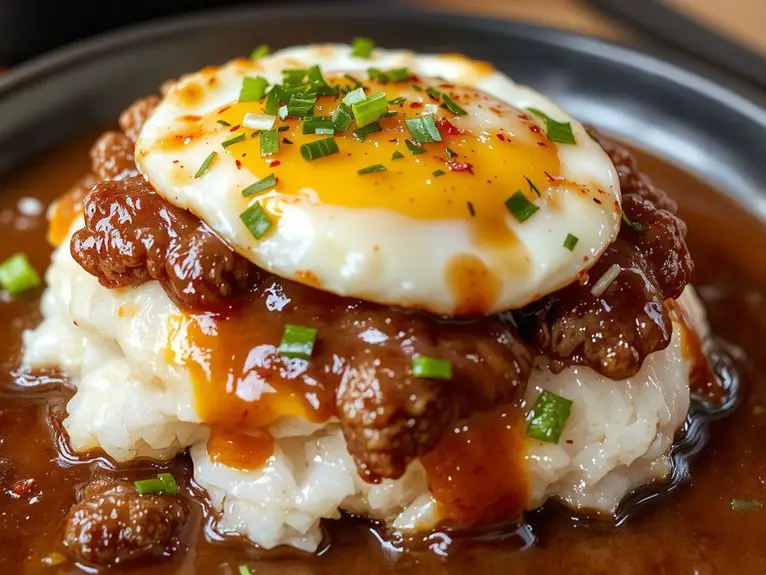
The Best Homemade Sushi Bake Recipe
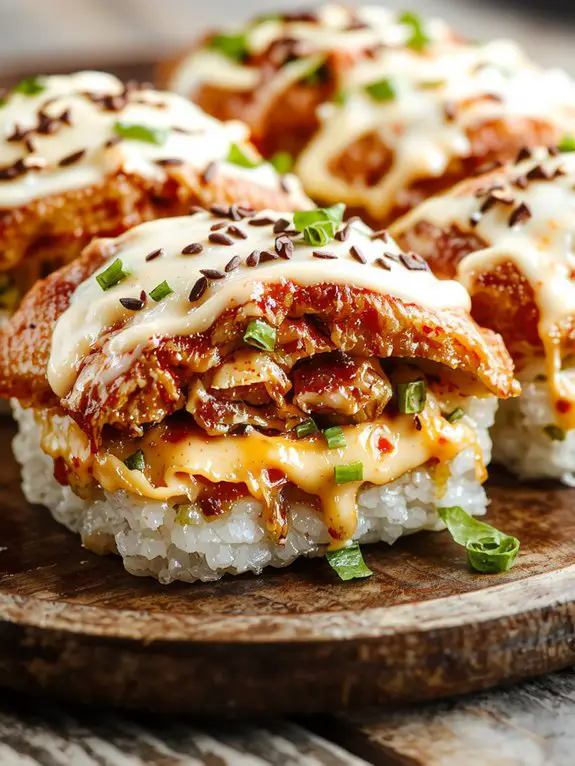
Recipe
This sushi bake recipe is a game-changer—seriously, it’s the ultimate crowd-pleaser that’ll have everyone coming back for seconds (and thirds). What makes it stand out? It’s all about that perfect balance of creamy, savory, and slightly sweet flavors, layered with perfectly seasoned sushi rice and topped with a golden, creamy crust that’s pure indulgence.
I’ve made this countless times for potlucks and gatherings, and it’s always the first dish to disappear. The secret? Fresh, high-quality ingredients like sushi-grade salmon or crab, Kewpie mayo for that extra richness, and a sprinkle of furikake for that addictively umami crunch.
Imagine digging into a warm, gooey layer of creamy seafood goodness paired with the subtle tang of vinegar rice—it’s comfort food with a gourmet twist. Don’t let the idea of sushi bake intimidate you; it’s surprisingly easy to make and delivers restaurant-level results every time. Trust me, once you try this, it’ll become your go-to recipe for any occasion.
Ingredients
Making sushi bake at home is easier than you think, and the key to nailing it lies in using fresh, high-quality ingredients. While sushi bake is forgiving and allows for creative twists, some staples are non-negotiable to achieve that creamy, umami-packed base and satisfying texture. Here’s what you’ll need, along with insider tips to elevate your dish:
- Sushi Rice: Short-grain sushi rice is essential—its sticky texture holds the dish together. Rinse it thoroughly before cooking to remove excess starch.
- Rice Vinegar: A splash of rice vinegar mixed with sugar and salt seasons the rice perfectly. Don’t skip this—it’s what gives sushi rice its signature flavor.
- Imitation Crab (Kani): The star of the dish! Opt for high-quality imitation crab for the best texture and flavor. Pro tip: shred it finely for even distribution.
- Japanese Mayonnaise (Kewpie): Creamier and tangier than regular mayo, Kewpie is a must for that authentic sushi bake richness.
- Cream Cheese: Adds a luscious creaminess to the mix. Use full-fat for the best results.
- Furikake: This Japanese seasoning blend (seaweed, sesame seeds, and more) adds depth and umami. Sprinkle generously on top for a crunchy finish.
- Sriracha: Optional but highly recommended for a spicy kick. Adjust to your heat preference.
- Nori Sheets (Seaweed): Cut into strips or crumble for garnish—it adds a briny, savory note that ties everything together.
- Sesame Oil: A teaspoon drizzled into the mix enhances the flavor with a nutty aroma.
Substitutions: No sushi rice? Japanese short-grain rice works too. Out of Kewpie mayo? Regular mayo with a splash of rice vinegar can mimic its tanginess.
Pro Tip: For an extra layer of flavor, top with tobiko (flying fish roe) or a drizzle of unagi sauce before serving. These little touches make your sushi bake restaurant-worthy!
How to Make the Best Layered Sushi Casserole Guide
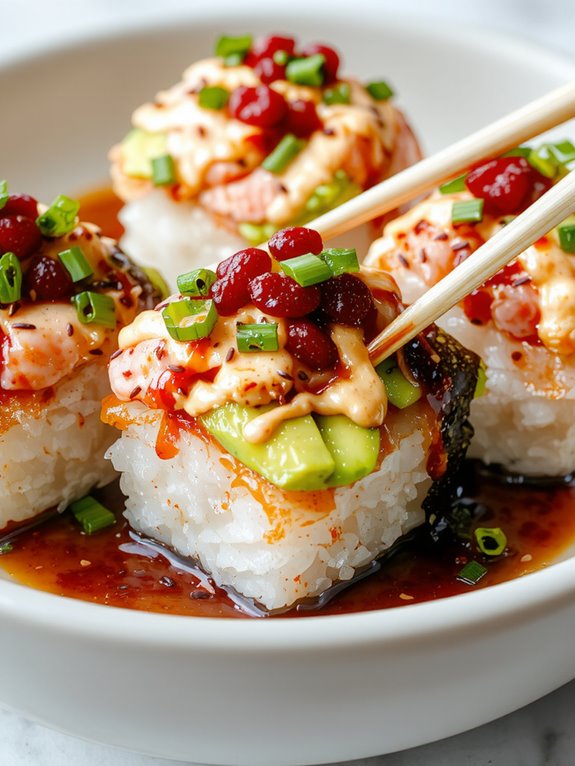
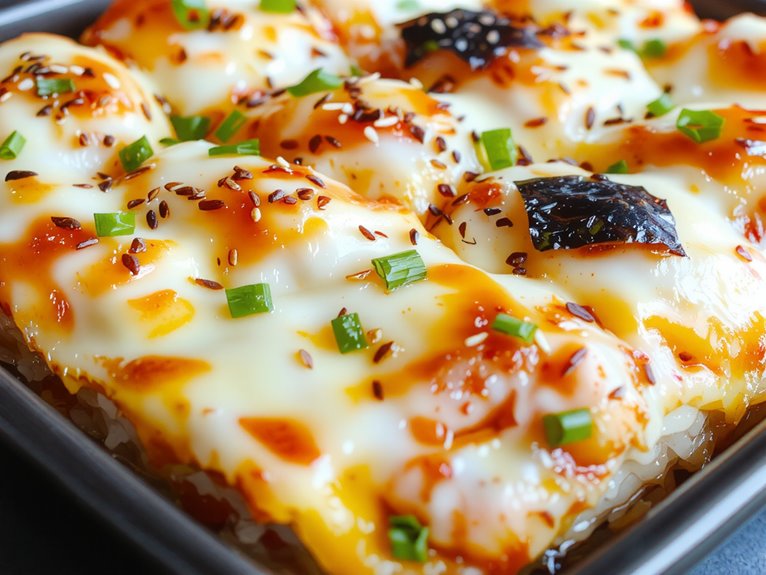
Top with cheese and garnishes. Sprinkle shredded mozzarella or Japanese mayo and furikake (Japanese seasoning) on top. Watch Out: Too much cheese can make the dish greasy, so use it sparingly.
Bake for 10-15 minutes. Place the dish in the preheated oven until the cheese is melted and bubbly, and the edges are lightly golden.
Pro Tip: Keep an eye on it to avoid overbaking, which can dry out the dish.
Let it rest for 5 minutes. Remove from the oven and allow it to cool slightly before serving. This helps the layers set and makes it easier to slice.
Garnish and serve. Add extra furikake, sliced green onions, or sesame seeds for a finishing touch.
Serve with nori sheets or seaweed snacks for the full sushi experience.
Flexibility: This dish can be made ahead and reheated, but it’s best enjoyed fresh from the oven.
Nutrition
Sushi bake is a delightful fusion dish that combines the flavors of sushi with the convenience of a baked casserole. While it’s a treat, it’s important to be mindful of its nutritional content.
| Nutrient | Amount per Serving |
|---|---|
| Calories | 320 kcal |
| Total Fat | 12 g |
| Saturated Fat | 4 g |
| Cholesterol | 45 mg |
| Sodium | 480 mg |
| Total Carbohydrates | 35 g |
| Dietary Fiber | 2 g |
| Sugars | 5 g |
| Protein | 15 g |
Chef Tips
Getting the texture just right can make or break your sushi bake—trust me, I’ve learned the hard way. Use sushi rice; it’s stickier and holds together better.
Don’t overcook the rice; it should be tender but firm. Spread the layers evenly for consistent bites.
Let it rest before serving to set the flavors. A quick broil at the end gives the top a perfect crispy finish.
Frequently Asked Questions
Can I Use Frozen Fish for Sushi Bake?
Yes, I can use frozen fish for sushi bake. I’d just make sure to thaw it completely and check it’s safe for raw consumption, as some fish is flash-frozen to kill parasites. I’d also pat it dry before using.
How Long Does Sushi Bake Last in the Fridge?
Sushi bake lasts about 2-3 days in the fridge if stored properly in an airtight container. I’d keep it cold and make sure it’s fresh when I store it to avoid spoilage or texture changes.
Can I Make Sushi Bake Gluten-Free?
I can make sushi bake gluten-free by swapping regular soy sauce for tamari or coconut aminos and checking that other ingredients like imitation crab or mayo don’t contain gluten. It’s easy to adjust!
What Sides Pair Well With Sushi Bake?
Creamy miso soup or a crisp seaweed salad pairs perfectly with sushi bake. I also love adding pickled ginger for tang or edamame for protein. A light cucumber sunomono salad works if you want something invigorating.
Can I Reheat Sushi Bake in the Microwave?
I wouldn’t recommend reheating sushi bake in the microwave—it’ll make the rice dry and the fish rubbery. If I have to, I’d cover it and use low power, but it’s best fresh or lightly warmed in the oven.