The Best Homemade Coconut Rice Recipe
Recipe
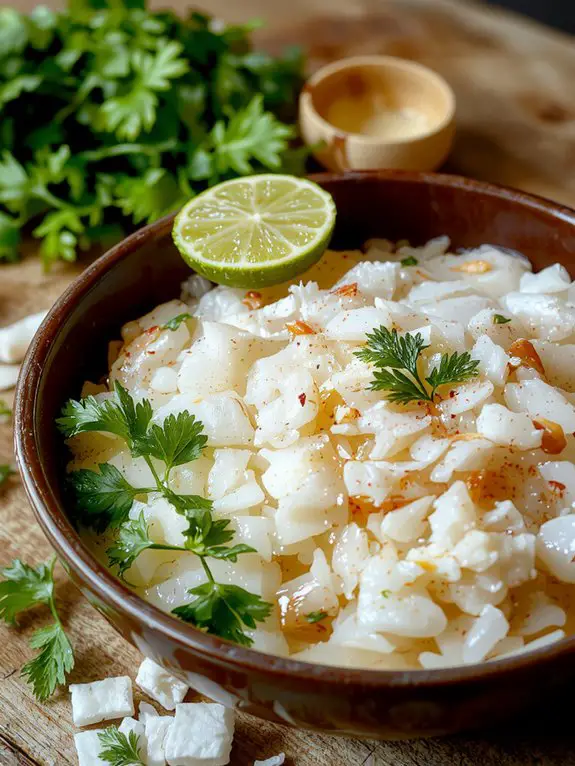
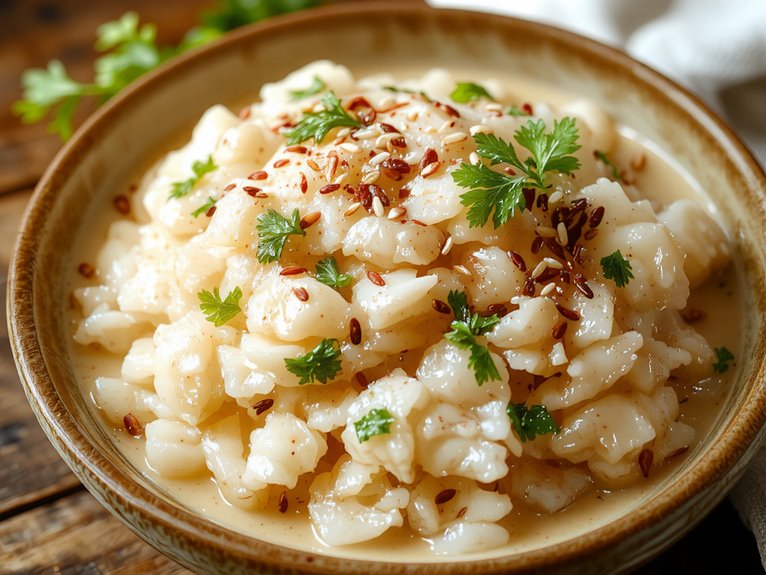
This coconut rice is hands-down one of those recipes you’ll make again and again—it’s *that* good. Infused with the rich, nutty sweetness of coconut milk and a hint of fragrant jasmine rice, it’s a dish that’ll transport you straight to a tropical escape.
The secret? Simmering the rice in coconut milk instead of water, which gives it an unbelievably creamy yet fluffy texture. I’ve been making this for years, and it’s always a hit, whether I’m serving it alongside a spicy curry or just enjoying it on its own.
The aroma alone will have everyone flocking to the kitchen. Trust me, once you taste this, you’ll wonder why you hadn’t tried sooner. Ready to make magic in your kitchen? Let’s go!
Ingredients
Coconut rice is a creamy, fragrant dish that’s deceptively simple to make, but the right ingredients are key to nailing that perfect balance of flavor and texture.
Opt for high-quality coconut milk—it’s the star of the show—and don’t skimp on fresh aromatics. Here’s what you’ll need to create this tropical delight.
- Jasmine rice: Its floral aroma pairs beautifully with coconut. Basmati works as a substitute, but jasmine is the gold standard.
- Full-fat coconut milk: Avoid light versions—the richness is essential for that velvety texture.
- Fresh garlic and ginger: These aromatics add depth. If you’re out of fresh, powdered versions can work in a pinch.
- Green onions or cilantro: For a fresh, vibrant finish. Substitute with parsley if cilantro isn’t your thing.
- Salt: Balances the sweetness of the coconut milk—don’t skip it.
- Optional extras: Toasted coconut flakes for crunch or a squeeze of lime for a zesty kick.
Pro tip: Rinse the rice until the water runs clear to avoid clumpy grains—it’s a small step that makes a big difference!
How to Make the Best Creamy Coconut Rice Method
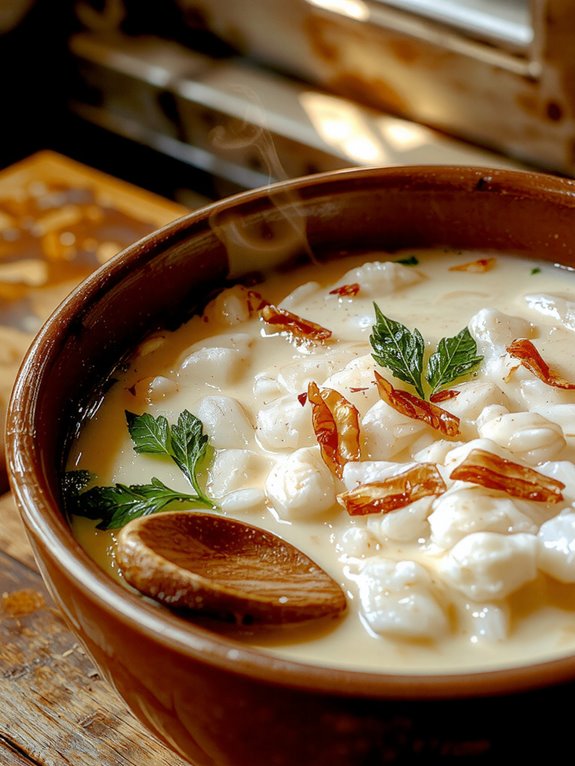
Rinse the rice thoroughly
Start by rinsing your rice under cold water until the water runs clear. This removes excess starch, preventing the rice from becoming sticky or gummy. Pro tip: Use a fine-mesh strainer for easier rinsing.
Toast the rice for extra flavor
In a medium saucepan, gently toast the rinsed rice over medium heat for 1-2 minutes until it smells nutty. This enhances the rice’s natural flavor and adds depth to the dish.
Combine coconut milk and water
For perfectly cooked rice, use a 1:1 ratio of coconut milk and water. This guarantees the rice is creamy without being overly heavy. Pro tip: Shake the coconut milk can well before opening for a smooth consistency.
Add salt and simmer
Stir in a pinch of salt for seasoning, then bring the mixture to a gentle boil. Once boiling, reduce the heat to low, cover the pot, and let it simmer for 15-18 minutes. Avoid lifting the lid—steam is key to even cooking.
Let it rest before fluffing
After cooking, remove the pot from the heat and let it sit, covered, for 5-10 minutes. This allows the rice to absorb any remaining liquid and confirms it’s perfectly tender. Gently fluff with a fork before serving.
Nutrition
Coconut rice is a flavorful dish that provides a good balance of carbohydrates and healthy fats. Here’s the nutritional breakdown per serving.
| Nutrient | Amount per Serving |
|---|---|
| Calories | 320 kcal |
| Carbohydrates | 45g |
| Protein | 4g |
| Fat | 14g |
| Fiber | 2g |
| Sugar | 1g |
| Sodium | 200mg |
Chef Tips
Now that we’ve covered the nutrition, let’s talk about how to make this dish shine. Use full-fat coconut milk for richness, and toast the rice in coconut oil before adding liquid for extra flavor.
Always rinse the rice to remove excess starch, ensuring it’s fluffy. Adjust coconut milk and water ratios for your preferred texture. Finish with fresh herbs or toasted coconut flakes for a restaurant-worthy touch.
Frequently Asked Questions
Can I Use Brown Rice Instead of White Rice?
Sure, I can use brown rice instead of white rice! It’ll take longer to cook and might need extra liquid, but it’ll add a nuttier flavor and more fiber. Just adjust the cooking time and liquid ratio.
What Can I Substitute for Coconut Milk?
I’d use almond milk or cashew milk for a lighter option. If you want richness, try heavy cream thinned with water. You could also blend soaked cashews with water—it’ll give a creamy texture without coconut.
Is Coconut Rice Gluten-Free?
Yes, coconut rice is gluten-free if I use plain rice and confirm my coconut milk doesn’t contain additives with gluten. I’d double-check labels to avoid cross-contamination, but it’s naturally safe without gluten-containing ingredients.
Can I Make Coconut Rice in a Rice Cooker?
Yes, I can make coconut rice in a rice cooker. I’ll just substitute water with coconut milk, add a pinch of salt, and cook it like regular rice. It’s super easy and turns out perfectly every time.
How Long Does Coconut Rice Last in the Fridge?
Coconut rice lasts about 3–4 days in the fridge if stored in an airtight container. I always make sure it cools completely before sealing it, and I reheat it gently to keep the texture right.


