Fufu Recipe: Smooth West African Cassava and Yam
Learn how to make smooth, stretchy **fufu** with cassava and yam. This West African side dish is soft, hearty, and perfect with soups.
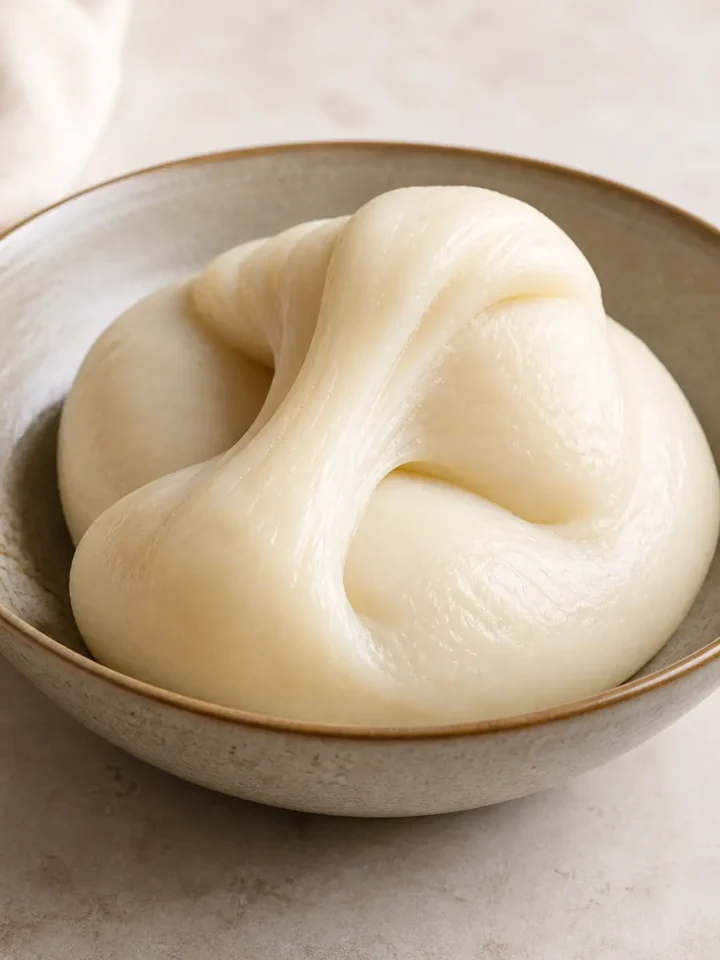
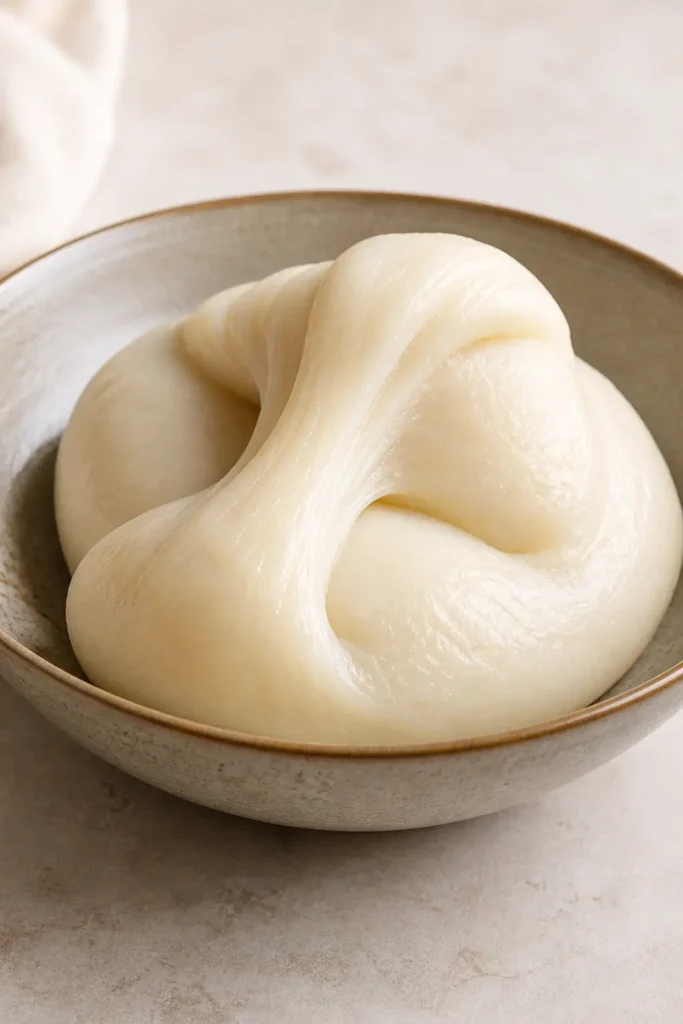
If you’ve ever wanted to bring a true West African staple to your table, fufu is a beautiful place to start. It has a soft, stretchy texture that feels comforting and filling, especially when you serve it with a rich soup or stew. You don’t need fancy equipment, but you do need a little patience and a feel for the dough as it comes together. Have you ever made a starch-based dough before?nnThis version uses cassava and yam for a smooth, traditional texture with a mild flavor that lets the soup shine. It’s naturally gluten-free, simple at heart, and deeply satisfying when you shape it warm and serve it right away. One thing can trip people up: if the mixture gets too wet, it can turn sticky instead of elastic. The fix is easy—add warm water slowly only when needed, and keep working the dough until it feels smooth and springy.nnBelow you’ll find the recipe details, ingredient notes, and step-by-step guidance so you can make fufu with confidence and serve it the way it’s meant to be eaten.

Why My Recipe
- It uses cassava and yam for a classic **West African** texture.
- The method stays simple and approachable, even if this is your first time making **fufu**.
- It creates a smooth, stretchy dough that holds up well with soups and stews.
- The recipe is naturally **gluten-free** and made with everyday ingredients.
- You can make it by pounding or with a mixer in small batches if that works better for you.
Mohammed Younes
Ingredient Notes
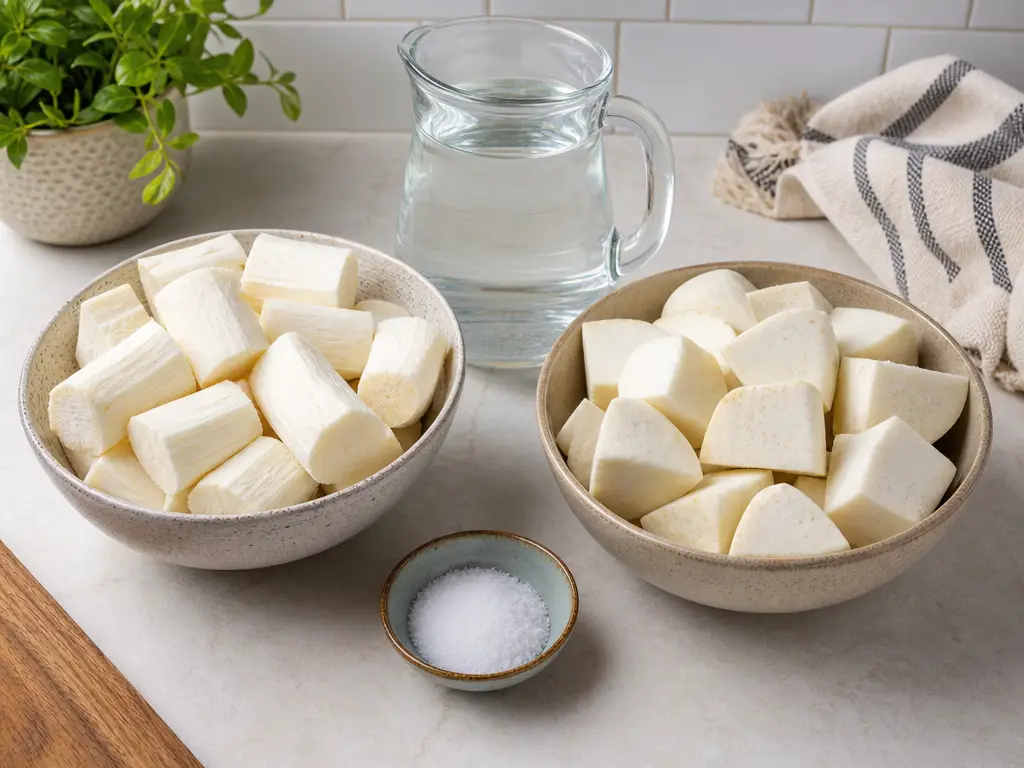
- 2 pounds peeled cassava, cut into chunks: Cassava gives **fufu** its sturdy body and stretchy texture. Cut it into even chunks so it cooks at the same pace.
- 1 pound peeled yams, cut into chunks: Yams help soften the texture and balance the cassava. Use peeled, evenly sized chunks for even cooking.
- 4 to 6 cups water: You need enough water to fully submerge the cassava and yams, then a little extra warm water later if the dough needs help coming together.
- 1 teaspoon salt, optional: Salt is optional, but it can lightly season the final dough during the last stage of mashing.
Instruction Steps
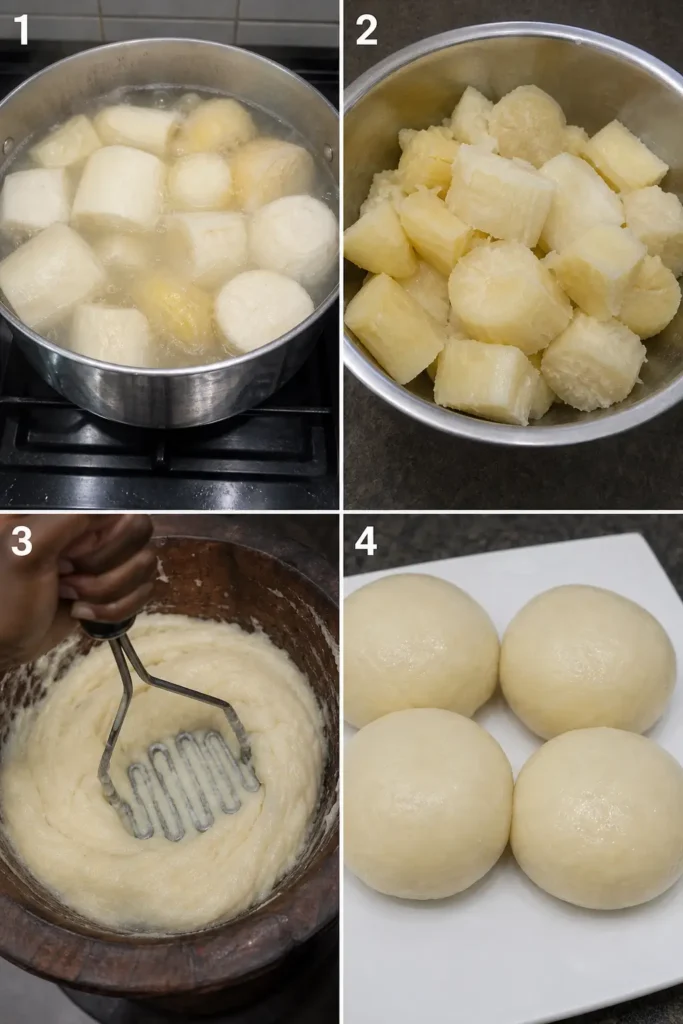
- Start by placing the cassava and yams in a roomy pot. Add enough water to cover them by about an inch so they cook evenly and soften all the way through.
- Bring the pot to a boil over medium-high heat, then lower the heat so the roots simmer gently. Cook them until they are very tender, which should take about 20 to 25 minutes.
- Drain the cassava and yams well. Move them to a large bowl or a heavy mortar while they’re still hot, because warm starches are easier to work into a smooth dough.
- Mash or pound the mixture until it begins to look cohesive. You want to break down every chunk and start building that thick, elastic base.
- If the mixture seems too stiff, add warm water a tablespoon or two at a time. Keep it light-handed; too much water can make the texture loose instead of stretchy.
- Continue mashing or pounding until the **fufu** becomes smooth, stretchy, and free of lumps. This is the stage where patience pays off.
- If you’re using salt, work it in near the end so it blends evenly without slowing the texture-building process.
- Shape the **fufu** into large balls or smooth mounds with lightly wet hands, then serve it warm with soup or stew.
Nutrition
| Calories | 220 |
|---|---|
| Carbohydrates | 53g |
| Protein | 2g |
| Fat | 0g |
| Saturated Fat | 0g |
| Cholesterol | 0mg |
| Sodium | 10mg |
| Fiber | 4g |
Storage & Reheating Instructions
Store leftovers in an airtight container in the refrigerator for up to 2 days.
To reheat, warm the **fufu** gently until soft again, adding a small splash of water if needed to restore pliability.
Reheat in small portions so the texture stays smooth instead of drying out.
For the best texture, serve soon after reheating.
Fufu Recipe: Smooth West African Cassava and Yam
Soft, stretchy **fufu** made from cassava and yam, a classic **West African** side dish that pairs beautifully with soups and stews.

Ingredients
Instructions
- Place the cassava and yams in a large pot and cover with enough water to submerge them by about 1 inch.
- Bring to a boil over medium-high heat, then reduce the heat and simmer until the cassava and yams are very tender, about 20 to 25 minutes.
- Drain the cooked cassava and yams well and transfer them to a large bowl or heavy mortar.
- Mash the mixture thoroughly with a potato masher or pound with a pestle until it begins to form a smooth mass.
- Add a little warm water, 1 to 2 tablespoons at a time, if needed to help the mixture become soft and elastic.
- Continue pounding or mashing until the fufu is smooth, stretchy, and free of lumps.
- If using salt, mix it in during the final mashing stage.
- Shape the fufu into large balls or smooth mounds with lightly wet hands and serve warm with soup or stew.
Notes
- For a smoother texture, work the fufu while it is still hot.
- Traditional fufu is often made by pounding, but a sturdy stand mixer or food processor can help in small batches; add water gradually to avoid making it too wet.
- Serve immediately for the best texture.
- This recipe is a simple cassava-and-yam version; some regions use cassava flour, plantain, cocoyam, or other starches.
Nutrition
Calories: 220 | Carbohydrates: 53g | Protein: 2g | Fat: 0g | Saturated Fat: 0g | Cholesterol: 0mg | Sodium: 10mg | Fiber: 4g | Sugar: 1g
What to Serve With This Recipe


Leave a Review or Ask a Question
Your rating, tips, and questions help other home cooks. Tell us how it turned out or ask anything before you make it.
You May Also Like



Questions & Answers
Recipe FAQs
What is fufu served with?
**Fufu** is usually served with soups or stews, where you pinch off a bit and scoop up the broth, vegetables, or meat.
Why is my fufu too sticky?
It usually means too much water was added too quickly. Keep mashing or pounding, and add only a little warm water at a time if the dough still feels too stiff.
Can I make fufu without a mortar and pestle?
Yes. A sturdy potato masher can work, and a stand mixer or food processor can help with small batches, as long as you add water gradually and donu2019t make it too wet.
Is this fufu recipe gluten-free?
Yes, this recipe is naturally **gluten-free** because it uses cassava and yams instead of wheat.
Can I use other starches for fufu?
Yes. Some regions use cassava flour, plantain, cocoyam, or other starches. This version keeps the focus on cassava and yam for a classic texture.
How do I know when fufu is ready?
It should feel smooth, stretchy, and free of lumps, with a soft dough-like texture that holds its shape when you form it.


