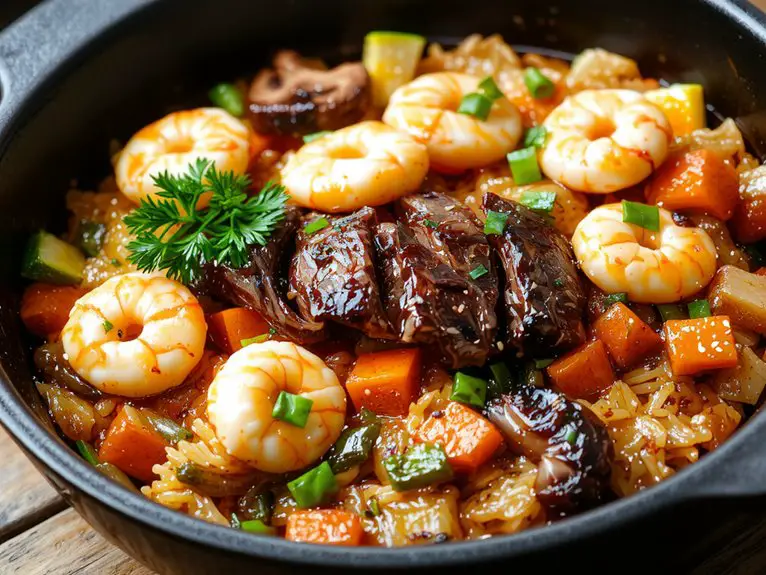
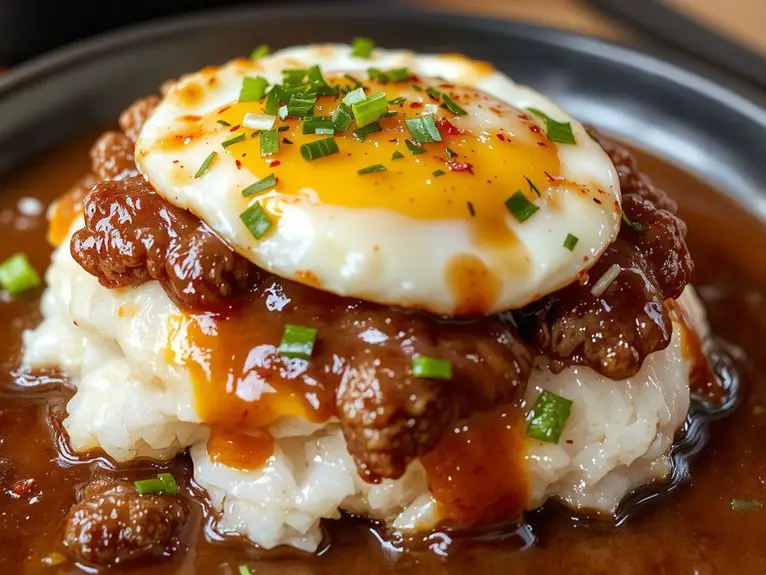
The Best Homemade Bibimbap Recipe
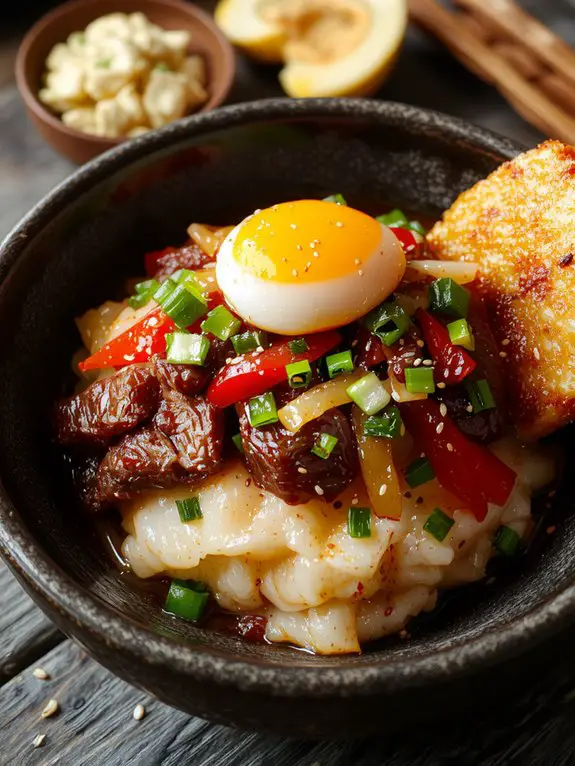
Recipe
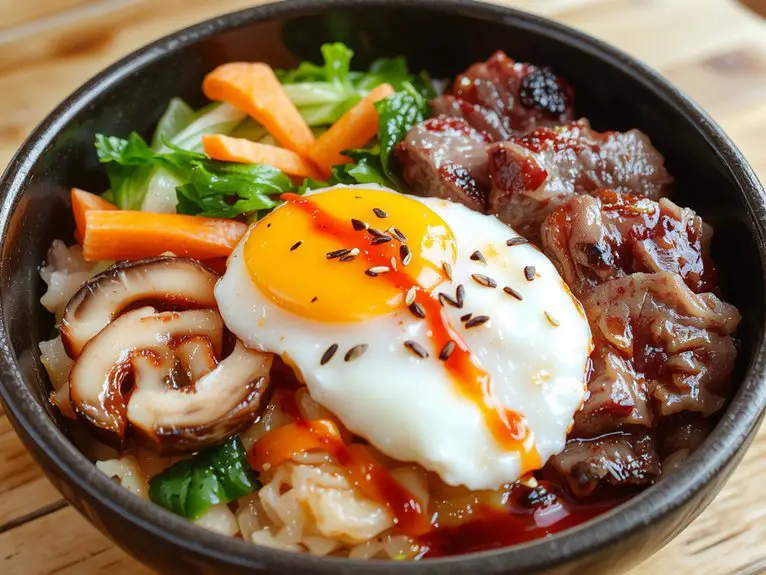
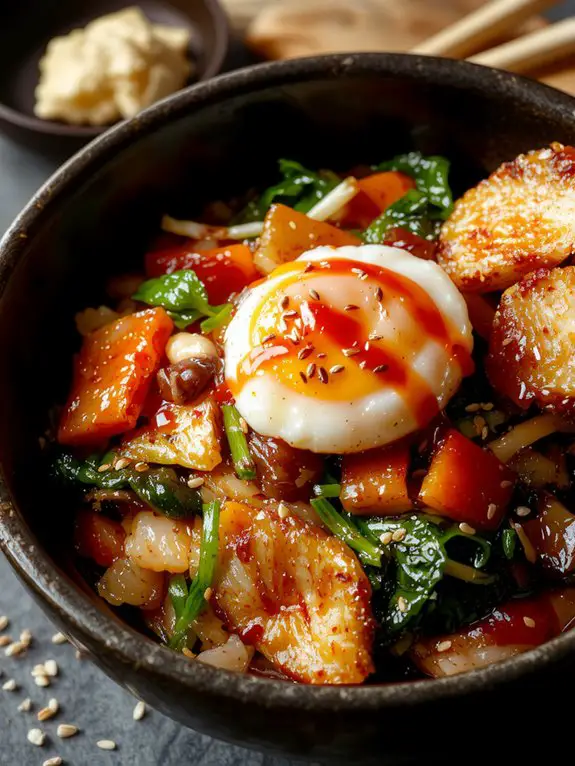
This bibimbap recipe is the real deal—trust me, it’s *that* good. There’s something magical about the way the crispy rice, vibrant veggies, perfectly marinated beef, and that creamy fried egg come together in one bowl. It’s a flavor explosion that hits all the right notes: savory, sweet, spicy, and umami.
The secret? A killer homemade bibimbap sauce that’s so good, you’ll want to drizzle it on everything. Plus, it’s totally customizable—swap in your favorite veggies or proteins, and it’ll still be a knockout.
Once you try this version, you’ll wonder why you ever ordered takeout. It’s easy to make, fun to assemble, and honestly, it’s as much a feast for your eyes as it’s for your taste buds. Let’s get cooking!
Ingredients
The key to a stellar bibimbap lies in fresh, vibrant ingredients that bring both flavor and texture to the dish. While the recipe is flexible, a few essentials guarantee an authentic and satisfying experience. Here’s what you’ll need:
For the Rice:
- Short-grain white rice: The foundation of bibimbap—its sticky texture holds everything together.
- Sesame oil: A drizzle adds nutty depth to the rice.
For the Vegetables (Gochujang Sauce Mix):
- Spinach: Blanched for tenderness. Substitute with kale if needed.
- Carrots: Julienned for crunch.
- Zucchini: Thinly sliced for a mild, fresh bite.
- Bean sprouts: A classic addition for texture.
- Mushrooms (shiitake or button): Sautéed for umami.
For the Gochujang Sauce:
- Gochujang paste: The star of the dish—don’t skip it! It’s spicy, sweet, and savory.
- Soy sauce: Adds depth. Use low-sodium if preferred.
- Sesame oil and seeds: For nutty flavor and crunch.
- Garlic: Freshly minced for a punch of flavor.
For the Protein:
- Beef (ribeye or sirloin): Thinly sliced and marinated in soy sauce, sesame oil, and garlic. Swap with chicken, tofu, or an egg for variation.
- Fried egg: A runny yolk ties everything together—non-negotiable for authenticity.
Optional Extras:
- Kimchi: Adds tangy, fermented flavor.
- Toasted seaweed strips: For a crispy, umami boost.
- Green onions: For garnish and freshness.
How to Make the Best Authentic Bibimbap Ingredients
– Prepare the rice: Start by cooking short-grain white rice according to package instructions. Use slightly less water than usual to achieve a firmer texture, which holds up better when mixed with toppings.
Let the rice rest for 10 minutes after cooking to allow it to steam and become fluffy.
– Prep the vegetables: Julienne or thinly slice your vegetables (carrots, zucchini, spinach, bean sprouts, and mushrooms). Blanch or sauté each vegetable separately to maintain their distinct flavors and textures.
Season lightly with salt or a splash of sesame oil for added depth.
– Cook the protein: Choose your protein (beef, chicken, or tofu) and slice it thinly for quick cooking. Marinate the beef or chicken in a mixture of soy sauce, sesame oil, garlic, and a touch of sugar for at least 15 minutes.
Cook in a hot pan until just done to avoid overcooking and drying out.
- Fry the egg (optional but recommended): Heat a non-stick pan with a little oil and cook an egg sunny-side up or over-easy. The runny yolk will add richness when mixed into the bibimbap.
- Prepare the bibimbap sauce: Mix gochujang (Korean chili paste) with sesame oil, soy sauce, sugar, and minced garlic. Adjust the spice level and sweetness to your preference. This sauce is the flavor powerhouse of the dish.
- Assemble the bibimbap: In a large bowl, place a generous serving of rice at the bottom. Arrange the cooked vegetables and protein in sections on top of the rice. Add the fried egg in the center.
Pro tip: Use a hot stone bowl (dolsot) for an authentic experience—it crisps the rice and keeps everything warm.
– Mix and enjoy: Just before eating, drizzle the bibimbap sauce over the top and mix everything thoroughly. The goal is to combine all the flavors and textures into every bite.
Watch for visual cues: the rice should be slightly crispy, the vegetables tender, and the sauce evenly distributed.
- Customize as needed: Feel free to swap out vegetables or proteins based on what’s available or your preferences. Bibimbap is highly adaptable, so make it your own!
- Storage tip: If you have leftovers, store the rice, vegetables, protein, and sauce separately to maintain freshness. Reheat the rice and assemble just before eating.
Nutrition
The nutritional content of this homemade bibimbap recipe provides a balanced mix of macronutrients and essential vitamins. Below is the breakdown per serving:
| Nutrient | Amount per Serving |
|---|---|
| Calories | 450 kcal |
| Protein | 20 g |
| Carbohydrates | 55 g |
| Fat | 15 g |
| Fiber | 6 g |
| Sugar | 8 g |
| Sodium | 800 mg |
| Vitamin A | 50% DV |
| Vitamin C | 30% DV |
| Calcium | 10% DV |
| Iron | 20% DV |
Chef Tips
When making bibimbap, I find it’s essential to prep all ingredients beforehand since assembly goes quickly.
I recommend julienning vegetables thinly for even cooking and marinating the protein for at least 30 minutes.
Use a hot stone bowl for that crispy rice texture if possible.
Finally, don’t skip the gochujang sauce—it’s the dish’s heart. Adjust its spiciness to your taste for the perfect balance.
Frequently Asked Questions
Can I Use a Different Type of Rice?
I can use any type of rice I prefer, even if it’s not traditional. Short-grain’s stickier texture works best, but I’ve tried basmati or jasmine, and they still taste great mixed with the toppings and sauce.
Is Bibimbap Gluten-Free?
Bibimbap can be gluten-free if you use tamari instead of soy sauce and check other sauces for wheat. I always verify ingredients because some marinades or gochujang contain gluten. Stick to fresh, whole foods to be safe.
How Long Does Bibimbap Last in the Fridge?
I’d say bibimbap lasts 3–4 days in the fridge if stored properly. Just make sure it’s in an airtight container so the ingredients stay fresh. I wouldn’t keep it longer than that.
Can I Make Bibimbap Vegan?
Yes, I can make bibimbap vegan by swapping meat for tofu or tempeh, using veggie broth for seasoning, and loading it up with veggies like mushrooms, spinach, carrots, and zucchini. I’ll skip the egg too.
What’s the Best Way to Mix Bibimbap?
I mix my bibimbap right in the bowl—I start with a little gochujang and sesame oil at the bottom, then add rice and toppings. I stir everything together gently but thoroughly so every bite’s flavorful.