The Best Homemade Scrambled Eggs Recipe
Recipe
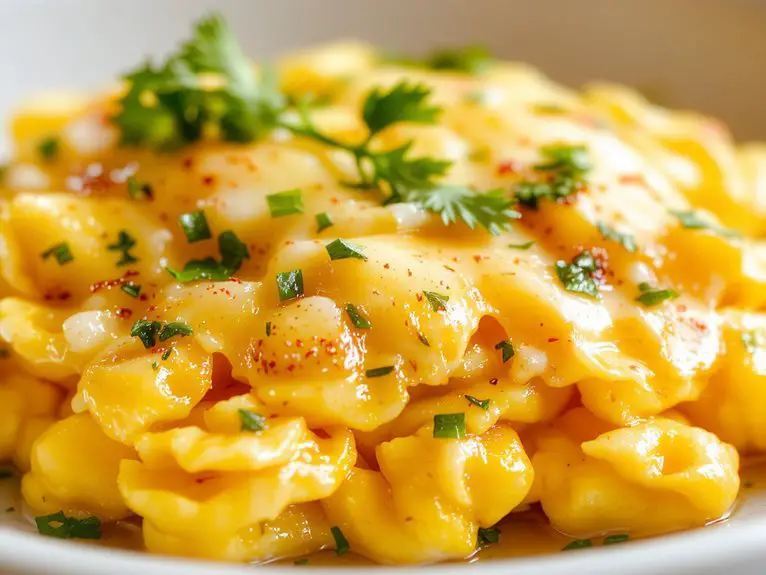
This scrambled eggs recipe will forever ruin diner-style eggs for you—I promise. The secret? Low and slow cooking, a splash of cream, and a generous pat of butter.
It’s the method I’ve perfected over countless lazy Sunday mornings, and it delivers eggs so creamy, rich, and velvety, they’re practically luxurious. Forget rubbery or dry—your fork will glide through these fluffy curds, releasing a buttery aroma that’ll have everyone at the table reaching for seconds.
Whether you’re a novice or a seasoned cook, this foolproof technique will elevate your breakfast game in under 10 minutes. Trust me, once you try these, there’s no going back.
Ingredients
Scrambled eggs are all about simplicity, but the right ingredients can elevate this breakfast staple from basic to brilliant. Here’s what you’ll need, along with insider tips and swaps to make it your own.
- Eggs: Fresh, high-quality eggs are non-negotiable. They create a richer, creamier texture and a more vibrant color.
- Butter: Unsalted butter adds richness and helps prevent sticking. If you’re out, olive oil works as a substitute but will change the flavor slightly.
- Salt: A pinch of salt enhances the natural flavor of the eggs. Use fine sea salt for even distribution.
- Milk or Cream: A splash adds creaminess. Heavy cream makes them extra decadent, but milk works just fine for a lighter version.
- Freshly Ground Black Pepper: Adds depth. Pre-ground pepper lacks the same punch.
- Optional Add-Ins: Grated cheese, fresh herbs like chives or parsley, or a dollop of crème fraîche can take your scramble to the next level.
Pro Tip: Let your eggs come to room temperature before cooking—they’ll cook more evenly and stay tender!
How to Make the Best Scrambled Eggs Recipe Title
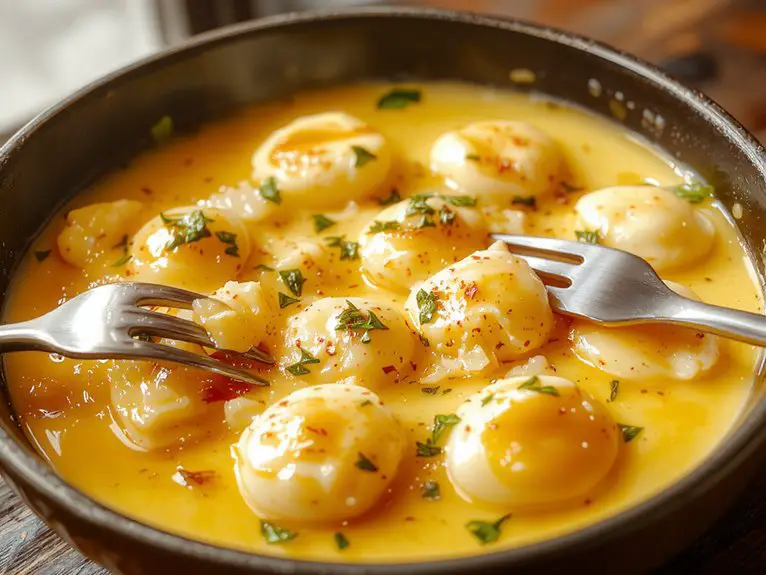
– Gently fold with a spatula – Push eggs from the edges toward the center in slow motions.
Over-stirring breaks curds into tiny, dry bits.
– Remove from heat just before fully set – Eggs continue cooking off the heat.
Taking them out slightly underdone keeps them creamy.
– Season with salt and pepper at the end – Adding salt too early can make eggs watery.
A pinch at the finish enhances flavor perfectly.
Pro Tips:
- For extra creaminess, stir in a splash of milk or cream before cooking.
- Use a nonstick or well-seasoned cast iron pan for easiest cleanup.
- If eggs stick, lower the heat—patience is key!
Watch-Outs:
- Don’t leave eggs unattended—they cook fast!
- Avoid high heat, which causes tough, rubbery texture.
- Resist the urge to over-stir; gentle folds = fluffy results.
Nutrition
Scrambled eggs are a nutritious and protein-rich breakfast option. Here’s the nutritional breakdown per serving:
| Nutrient | Amount per Serving |
|---|---|
| Calories | 140 kcal |
| Protein | 12 g |
| Fat | 10 g |
| Carbohydrates | 1 g |
| Cholesterol | 370 mg |
| Sodium | 140 mg |
Chef Tips
Getting the texture just right can make all the difference. I always use low heat and stir constantly—patience is key.
A splash of cream or milk keeps them creamy, but don’t overdo it. Season just before they finish cooking to avoid drying.
For extra fluffiness, whisk vigorously before pouring into the pan.
Remember, eggs continue cooking off the heat, so pull them a tad early.
Perfect scrambled eggs are soft, not rubbery.
Frequently Asked Questions
Can I Use a Non-Stick Pan for Scrambled Eggs?
Yes, I can use a non-stick pan for scrambled eggs; it’s my go-to because it prevents sticking and makes cleanup easier. I just keep the heat medium-low to avoid overcooking and guarantee creamy results.
Is It Safe to Eat Slightly Runny Scrambled Eggs?
I’d say it’s safe if the eggs are pasteurized or fresh, but runny scrambled eggs carry a slight salmonella risk. I cook mine until they’re just set to be safe—still creamy, not dry.
How Do I Prevent Scrambled Eggs From Sticking?
I heat a nonstick pan over low-medium heat, add butter or oil, and let it coat the surface evenly. I constantly stir the eggs with a spatula, preventing them from sticking while keeping them creamy.
Can I Reheat Leftover Scrambled Eggs?
Yes, I can reheat leftover scrambled eggs gently in the microwave or on the stove. I’ll add a splash of milk or butter to keep them moist and stir often to avoid overcooking or drying them out.
What’s the Best Milk Substitute for Scrambled Eggs?
I’d recommend using unsweetened almond milk since it’s light and doesn’t overpower the eggs. If you prefer creaminess, oat milk works well too. Soy milk’s another option, but I avoid flavored or sweetened kinds.