The Best Homemade Arepas Recipe
Recipe
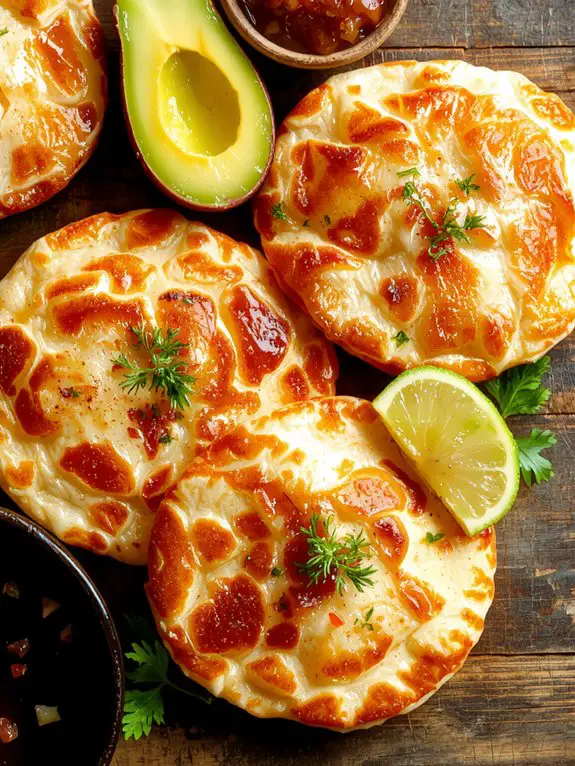
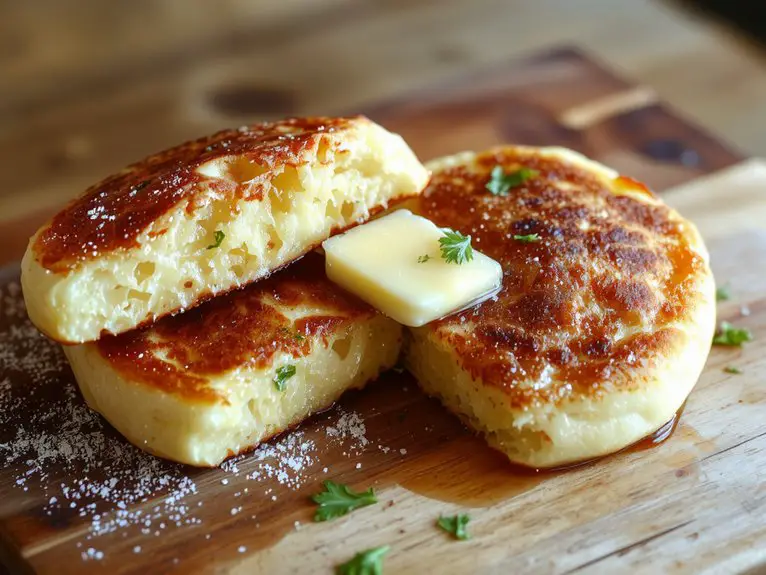
I can confidently say that once you make these homemade arepas, they’ll become a staple in your kitchen. These golden, crispy-on-the-outside, soft-and-pillowy-on-the-inside corn cakes are a true game-changer.
The secret lies in the simplicity of the ingredients—just pre-cooked cornmeal, water, and a pinch of salt—but the magic is in the technique. Whether you stuff them with savory shredded beef, gooey cheese, or creamy avocado, every bite is a flavor explosion.
I’ve perfected this recipe over countless batches, and I’m excited to share it with you. Trust me, you don’t need to be a pro to whip up these showstoppers. Once you smell them sizzling on the skillet, you’ll know you’re in for something special. Let’s get cooking!
Ingredients
The secret to perfect arepas lies in the simplicity of the ingredients—just a few pantry staples transform into golden, crispy-on-the-outside, fluffy-on-the-inside pockets of joy.
But don’t underestimate the details: the right corn flour and a touch of fat make all the difference. Here’s what you’ll need:
- Precooked cornmeal (masarepa) – *Non-negotiable*. This isn’t regular cornmeal or masa harina—look for brands like P.A.N. (the white or yellow bag) for the right texture. It’s the backbone of your arepas.
- Warm water – Just hot enough to dissolve salt and help the dough hydrate evenly. Cold water makes the dough crumbly.
- Salt – A generous pinch to balance the corn’s natural sweetness.
- Neutral oil or butter – A splash in the dough adds richness, and a slick in the pan guarantees that perfect crust. Vegetable oil works, but butter? *Chef’s kiss*.
Pro swaps & upgrades:
- No masarepa? Sorry, no sub herethis is essential. But if you’re adventurous, try adding shredded cheese (queso fresco or mozzarella) to the dough for *arepas de queso*.
- For extra flavor, swap water for chicken or vegetable broth.
- Top with avocado, black beans, or a fried egg for a hearty meal.
Little win: Let the dough rest for 5–10 minutes—it makes shaping easier and improves texture.
How to Make the Best Homemade Arepas Recipe Title

– Serve Fresh: Arepas are best enjoyed warm and fresh.
If making ahead, reheat them in the oven or skillet to revive their crispiness.
Pro Tip: Let the dough rest for 5-10 minutes before shaping—it helps the cornmeal fully hydrate and makes the dough easier to work with.
Watch-Out Warning: Avoid overworking the dough, as it can make the arepas dense.
Mix just until combined for a light and tender result.
Nutrition
Arepas are a nutritious and versatile dish made from cornmeal. They provide a good source of energy and essential nutrients.
| Nutrient | Amount per Serving |
|---|---|
| Calories | 198 kcal |
| Protein | 4.5 g |
| Fat | 2.3 g |
| Carbs | 40 g |
| Fiber | 2 g |
| Sugar | 0.5 g |
| Sodium | 150 mg |
Chef Tips
Making perfect arepas isn’t just about the ingredients—it’s about technique. I always use lukewarm water for the dough, as it binds better.
Knead it until smooth and let it rest for 10 minutes—patience pays off.
Cook them on medium heat to guarantee they’re golden outside and fully cooked inside. Don’t press too thin; aim for a ½-inch thickness.
These small adjustments make all the difference.
Frequently Asked Questions
Can Arepas Be Frozen?
Yes, I freeze arepas all the time. Once they’re cooked and cooled, I wrap them individually in plastic or foil, then store them in a freezer bag. I reheat them in the oven or skillet when I’m ready to eat.
What Arepas Toppings Are Traditional?
Traditional arepa toppings vary by region, but I love keeping it simple with shredded beef, black beans, cheese, or avocado. In Colombia, we often add hogao sauce, while Venezuelans go for reina pepiada (chicken and avocado salad).
Can I Make Arepas Gluten-Free?
Yes, I can make arepas gluten-free because they’re traditionally made with cornmeal, which naturally lacks gluten. I just verify the cornmeal’s labeled gluten-free to avoid cross-contamination, and I avoid adding any ingredients that contain gluten.
Are Arepas and Gorditas the Same?
No, arepas and gorditas aren’t the same. I know arepas are made from cornmeal and popular in Venezuela and Colombia, while gorditas use masa harina and are Mexican. Both are delicious but different in texture and origin.
How Do I Reheat Leftover Arepas?
I’d reheat leftover arepas by wrapping them in foil and baking them at 350°F for 5–10 minutes or toasting them on a skillet over medium heat until warm and crispy. Microwaving works too, but they might get chewy.