The Best Homemade Beignet Recipe
Recipe
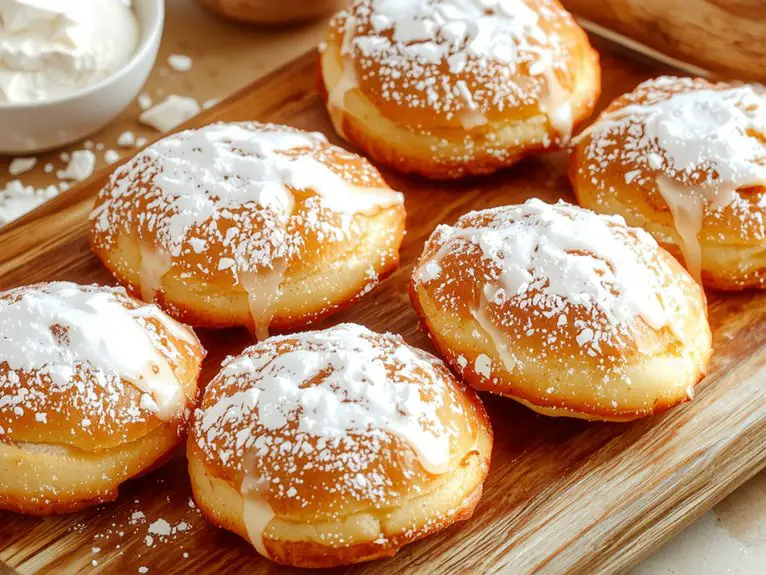
There’s something magical about biting into a warm, pillowy beignet—crisp on the outside, soft and airy on the inside, and dusted with a snowfall of powdered sugar. This homemade beignet recipe is the real deal, the kind that transports you straight to a New Orleans café with just one bite.
Made with simple ingredients you probably already have, these golden puffs of joy fry up in minutes and disappear even faster. The secret? A touch of buttermilk for tenderness and a quick rise that keeps the dough light as a cloud.
Trust me, once you taste these, you’ll never settle for store-bought again. Get ready to impress your family (or just treat yourself) with these irresistible, melt-in-your-mouth delights. Let’s make some magic happen!
Ingredients
Start with the basics—flour, sugar, and yeast—to create the perfect doughy foundation for your beignets. The magic lies in balancing simplicity with technique, and choosing the right ingredients guarantees a light, pillowy texture with that iconic crisp exterior.
- All-purpose flour: Opt for unbleached flour for a soft, airy dough. Bread flour can work too for extra chewiness.
- Granulated sugar: Adds sweetness to the dough; organic cane sugar is a great alternative.
- Active dry yeast: Fresh yeast is ideal, but instant yeast works just as well if you skip the proofing step.
- Whole milk: Creates a richer dough. For a dairy-free option, use unsweetened almond or oat milk.
- Unsalted butter: *Non-negotiable.* It adds depth and richness to the dough.
- Eggs: Help bind the dough and give it structure.
- Salt: Enhances flavor; sea salt or kosher salt works best.
- Vegetable oil: For frying. Use one with a high smoke point, like peanut or canola oil.
- Powdered sugar: *Must-have.* Generously dusted for that classic beignet finish.
Pro tip: Use lukewarm milk to activate the yeast—too hot and it’ll kill it, too cold and it won’t bloom.
And don’t skimp on the powdered sugar; it’s the crowning glory!
How to Make the Best New Orleans-Style Beignets
Start by gathering all your ingredients—flour, sugar, baking powder, salt, milk, egg, and butter. Having everything ready guarantees a smooth process without interruptions. Room temperature ingredients mix more easily, so let the egg and milk sit out for a bit before starting.
Combine the dry ingredients**—flour, sugar, baking powder, and salt—in a large mixing bowl. Whisk them together thoroughly to secure even distribution of leavening agents. This step prevents pockets of baking powder or salt in your dough**, which could affect the texture.
Mix the wet ingredients****—milk, egg, and melted butter—in a separate bowl. Whisk until fully combined and smooth. Using a separate bowl for wet ingredients helps avoid uneven mixing later. Pro tip: Use a fork or small whisk for ease.
Gradually add the wet mixture to the dry ingredients, stirring gently with a wooden spoon or rubber spatula. Mix only until the dough comes together—overmixing will make the beignets tough. A slightly sticky dough is normal and expected.
Cover the dough and let it rest** for at least 30 minutes. This resting time allows the gluten to relax, making the dough easier to roll** out. Pro tip: Cover it with a clean kitchen towel or plastic wrap to prevent drying.
Roll the dough on a lightly floured surface to about 1/4-inch thickness. Keep the surface floured to prevent sticking, but avoid adding too much flour, which can make the dough dense. Use a knife or pizza cutter to cut the dough into 2-inch squares or rectangles.
Heat oil in a deep skillet or fryer to 350°F (175°C). Use a candy or frying thermometer to monitor the temperature. Consistent heat is key to achieving golden, fluffy beignets. Pro tip: If you don’t have a thermometer, test the oil by dropping a small piece of dough—it should sizzle and rise immediately.
Fry the beignets in batches, being careful not to overcrowd the pan. Fry each side for about 1-2 minutes or until golden brown. Use a slotted spoon to remove them and place on a paper towel-lined plate to drain excess oil.
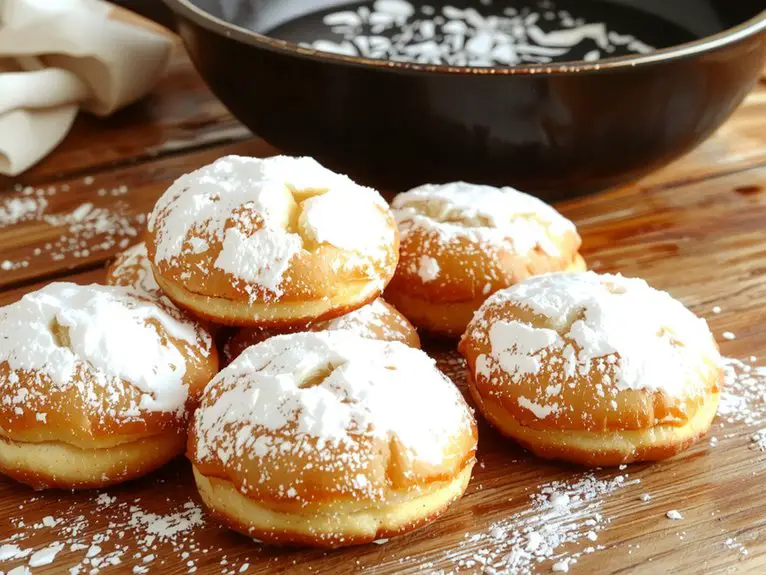
Dust generously with powdered sugar while the beignets are still warm. This allows the sugar to adhere beautifully. Pro tip: Use a fine-mesh sieve for an even, light layer of sugar.
Serve immediately for the best texture and flavor. Beignets are perfect fresh out of the fryer, paired with a cup of coffee or hot chocolate. Enjoy the warm, pillowy perfection of your homemade New Orleans-style beignets!
Nutrition
Beignets are a delicious treat, but they are not the healthiest option. Here’s the nutritional breakdown per serving.
| Calories | Fat | Carbs | Protein | Sugar |
|---|---|---|---|---|
| 250 | 12g | 32g | 4g | 10g |
Chef Tips
While beignets aren’t the lightest choice, they’re worth perfecting. I always use fresh yeast for maximum puffiness and let the dough rise twice—it makes a difference.
Keep your oil at 375°F; too hot burns them, too cool makes them greasy. Dust with powdered sugar while they’re warm so it sticks.
Don’t overcrowd the pot—fry in batches for even cooking. Enjoy immediately—they’re best fresh!
Frequently Asked Questions
Can I Freeze Beignet Dough for Later Use?
Yes, I can freeze beignet dough for later. I usually roll it into portions, wrap tightly in plastic, then freeze. When I’m ready, I thaw it overnight in the fridge before frying. It works perfectly.
What’s the Best Oil Temperature for Frying Beignets?
I’ve found frying beignets at 350°F works best—hot enough to cook them quickly without absorbing too much oil. If it’s lower, they’ll get greasy; higher, they’ll burn before cooking through. A thermometer helps keep it steady.
How Do I Prevent Beignets From Absorbing Too Much Oil?
I make sure my oil’s at 370°F and don’t overcrowd the pan. I fry them just until golden, then drain on paper towels right away. A light dusting of powdered sugar helps too.
Can I Make Beignets Without a Deep Fryer?
Yes, I can make beignets without a deep fryer. I’ll just use a heavy pot and fill it with enough oil to submerge them. I’ll monitor the temperature with a thermometer to guarantee they cook evenly.
How Long Do Beignets Stay Fresh After Frying?
Once fried, my beignets stay fresh for about 2-3 hours if kept at room temperature. If I store them in an airtight container, they might last a bit longer, but I prefer eating them right away for maximum fluffiness.