The Best Homemade Bok Choy Recipe
Recipe
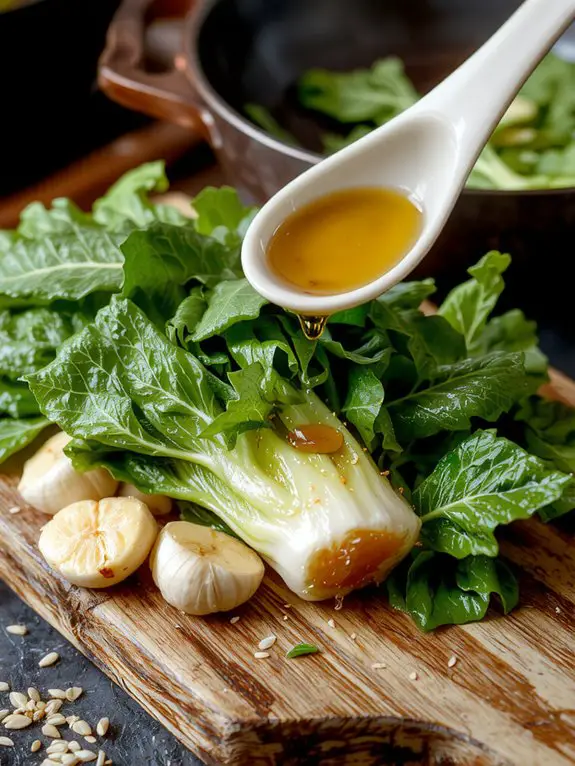
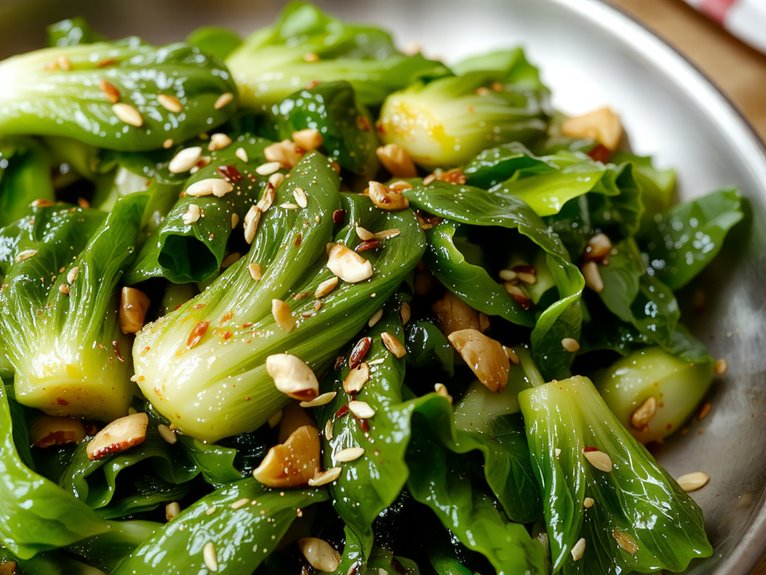
This bok choy recipe is a game-changer—trust me, once you try it, it’ll become your go-to veggie dish. What makes it special? A simple yet brilliant combo of garlic, soy sauce, and a splash of sesame oil that transforms humble bok choy into something extraordinary.
I’ve been making this for years, and it never fails to impress, whether it’s a quick weeknight side or the star of a bigger meal. The bok choy stays crisp with a slight bite, soaking up that savory, umami-packed sauce that’s balanced with a hint of sweetness.
Plus, it’s ready in under 15 minutes—perfect for when you’re short on time but still want something fresh and flavorful. You’ll feel like a kitchen pro pulling this one together.
Ingredients
For a truly standout homemade bok choy dish, the right ingredients make all the difference. Fresh, high-quality components guarantee vibrant flavor and texture, while smart substitutions let you adapt the recipe to what’s already in your pantry. Here’s what you’ll need:
- Fresh bok choy – Look for crisp, bright green leaves with firm stalks. Baby bok choy works too for a more tender bite.
- Garlic – Fresh cloves are non-negotiable for that aromatic depth. Minced garlic from a jar can work in a pinch, but fresh is best.
- Ginger – A must-have for its zesty, warming kick. Grate it fresh or use ginger paste if you’re short on time.
- Soy sauce – Opt for low-sodium for better control of saltiness, but regular soy sauce works fine.
- Sesame oil – Just a drizzle adds a rich, nutty finish. Substitute with olive oil if needed, but sesame oil is worth it for authentic flavor.
- Neutral oil – Like vegetable or avocado oil, for sautéing.
- Rice vinegar – Adds a subtle tang. Apple cider vinegar or white wine vinegar can substitute if necessary.
- Chili flakes or fresh chili – For a hint of heat. Adjust to your spice tolerance.
- Optional: oyster sauce or hoisin sauce – For extra umami and sweetness.
- Optional: toasted sesame seeds – A finishing touch for added crunch and visual appeal.
Pro tip: Don’t skip the garlic and ginger—they’re the flavor foundation.
And if you’re feeling adventurous, toss in some extra chili or a splash of lime juice at the end for a bright, zesty twist.
How to Make the Best Garlic-Ginger Bok Choy Recipe
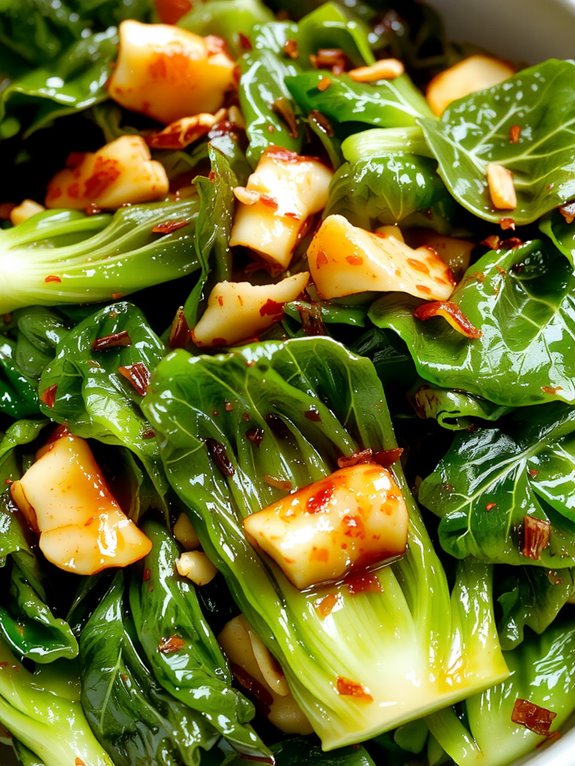
– Prep the bok choy: Begin by rinsing the bok choy thoroughly under cold water to remove any dirt or grit. Pat it dry with a clean kitchen towel or paper towels. Separate the leaves from the stems if they’re large—this guarantees even cooking.
Pro Tip: Don’t skip drying the leaves, as excess water can cause steaming instead of sautéing.
– Chop garlic and ginger: Mince 3 cloves of garlic and grate about 1 tablespoon of fresh ginger. Smaller pieces allow the flavors to distribute evenly.
Watch-Out Warning: Avoid burning the garlic by keeping the heat medium—burnt garlic can turn bitter.
– Heat the oil: Add 1 tablespoon of neutral oil (like vegetable or avocado) to a large skillet or wok over medium heat. Let it heat up for about 30 seconds—oil should shimmer but not smoke.
Why It Matters: Properly heated oil prevents sticking and guarantees even cooking.
– Sauté aromatics: Add the minced garlic and grated ginger to the skillet. Stir frequently for about 30 seconds until fragrant but not browned.
Visual Cue: You’ll smell the aroma of garlic and ginger, a sign they’re ready for the bok choy.
– Cook the bok choy: Add the bok choy to the skillet, starting with the thicker stems if separated. Toss gently to coat in the oil and aromatics. Cook for 2-3 minutes until the stems soften, then add the leaves and cook for another 1-2 minutes.
Flexibility: Adjust cooking time based on your preference—less time for crunch, more for tenderness.
– Season and finish: Drizzle 1 tablespoon of soy sauce and 1 teaspoon of sesame oil over the bok choy. Toss gently to combine. Taste and adjust seasoning with a pinch of salt or red pepper flakes if desired.
Pro Tip: Finish with toasted sesame seeds for added texture and flavor.
– Serve immediately: Transfer the bok choy to a serving dish while hot. It pairs perfectly with rice, noodles, or grilled protein.
Visual Cue: The bok choy should be bright green with tender stems—overcooking can make it mushy.
Nutrition
This homemade bok choy recipe is not only simple but also packed with essential nutrients. Here’s a breakdown of its nutritional content per serving:
Nutrient | Amount
——————|———
Calories | 35
Total Fat | 2g
Sodium | 150mg
Total Carbs | 4g
Dietary Fiber | 2g
Sugar | 2g
Protein | 2g
Vitamin C | 45mg
Vitamin A | 3000IU
Calcium | 100mg
Iron | 1mg
Chef Tips
Mastering bok choy starts with selecting crisp, bright-green leaves and firm stalks—avoid any with yellowing or wilting.
I always separate the stalks from the leaves since they cook at different rates.
A quick blanch or stir-fry preserves crunch.
Don’t overcrowd the pan; high heat’s key.
Finish with a splash of soy sauce or sesame oil.
Store unwashed in the fridge wrapped in a damp towel.
Frequently Asked Questions
Can I Substitute Baby Bok Choy for Regular Bok Choy?
Yes, I can substitute baby bok choy for regular bok choy. It’s milder and more tender, so I’ll reduce cooking time to avoid overcooking. The flavor’s similar, just less intense, and it works well in most recipes.
How Do I Store Leftover Cooked Bok Choy?
I store leftover cooked bok choy in an airtight container and pop it in the fridge; it’ll last about 3-4 days. I wouldn’t freeze it, though—it turns soggy when thawed. I reheat it gently to avoid overcooking.
Is Bok Choy Safe to Eat Raw?
Yes, bok choy’s safe to eat raw, and I often enjoy it in salads or as a crunchy snack. Just make sure it’s washed thoroughly to remove any dirt or pesticides before consuming it fresh.
What Dishes Pair Well With Garlic-Ginger Bok Choy?
Garlic-ginger bok choy pairs perfectly with steamed jasmine rice, stir-fried noodles, or grilled salmon. I’d also serve it alongside miso-glazed tofu or lemongrass chicken, balancing its bold flavors with something hearty or subtly spiced.
Can I Freeze Bok Choy for Later Use?
Yes, I can freeze bok choy, but it’s best to blanch it first to preserve texture. I’d chop it, boil for a minute, then plunge into ice water. After drying, I’d freeze it in airtight bags.


