The Best Homemade Braciole Recipe
Recipe
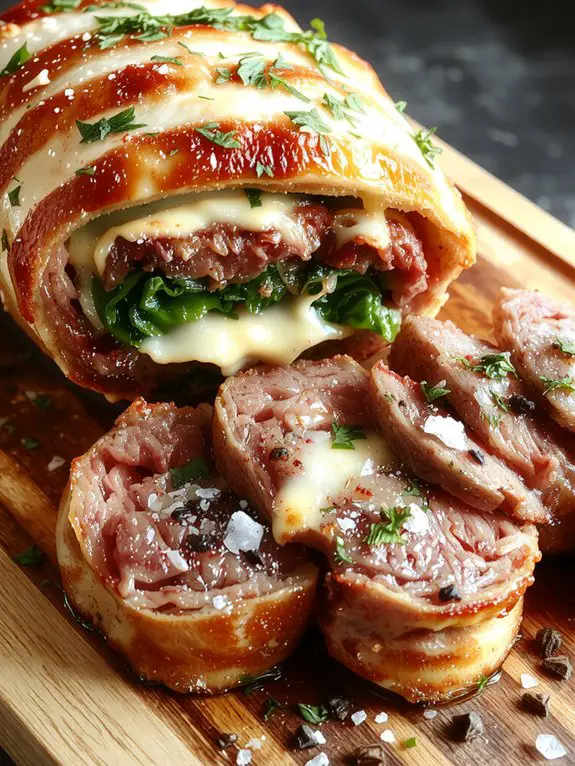
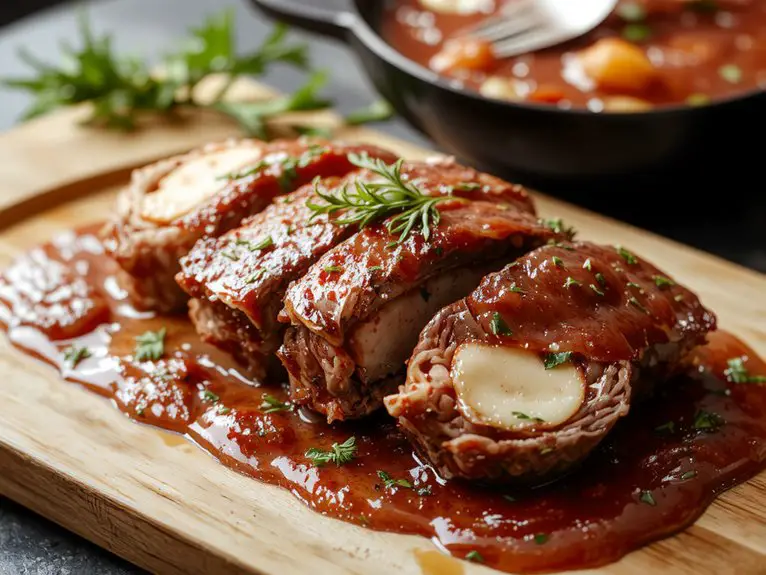
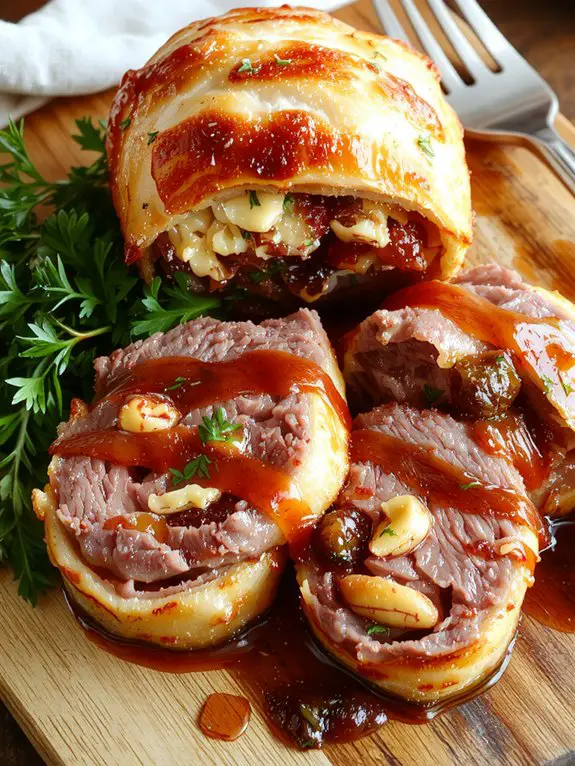
There’s something magical about a perfectly rolled braciole—tender beef wrapped around a savory filling, simmered until it’s melt-in-your-mouth delicious.
This recipe is my go-to for Sunday dinners, special occasions, or anytime I want to impress without stressing.
The secret? A garlicky, herby breadcrumb filling that soaks up all the rich tomato sauce as it cooks.
One bite of this, and you’ll swear it came straight from an Italian grandmother’s kitchen.
The aroma alone will have everyone hovering around the stove, forks at the ready.
Trust me, once you try homemade braciole, there’s no going back.
Ingredients
To make authentic braciole, start with the highest-quality ingredients—your final dish will only be as good as what you put into it. Beef is the star here, so don’t skimp; flank steak or top round works beautifully.
Fresh herbs and garlic are non-negotiable for that punch of flavor, while breadcrumbs and cheese create the perfect filling texture.
- Beef: Flank steak or top round (thinly sliced—ask your butcher!). Substitute: pork loin or chicken cutlets for a twist.
- Breadcrumbs: Fresh or panko for texture. Optional: toast them lightly for extra depth.
- Cheese: Parmesan or Pecorino Romano—grate it fresh for maximum flavor.
- Garlic: Fresh garlic cloves, minced finely. No substitutes here!
- Fresh Herbs: Parsley and basil are essential. Optional: add a pinch of oregano for depth.
- Olive Oil: Extra virgin for richness.
- Tomato Sauce: Homemade or high-quality jarred.
- Salt & Pepper: Season generously—this is your flavor foundation.
- Toothpicks or Kitchen Twine: Essential for securing the rolls.
Pro tip: For an extra layer of flavor, lightly toast the breadcrumbs in olive oil before mixing them with the cheese and herbs. It’s a small step that makes a big difference!
How to Make the Best Authentic Italian Braciole Recipe
– Flatten the meat – Place the flank steak on a cutting board and use a meat mallet to pound it to an even thickness (about ¼ inch). This guarantees the meat cooks evenly and rolls smoothly.
Pro Tip: Cover the meat with plastic wrap while pounding to avoid tearing.
– Prepare the filling – In a bowl, combine breadcrumbs, grated Parmesan, minced garlic, chopped parsley, and a drizzle of olive oil. Season with salt and pepper.
Spread this mixture evenly over the flattened steak, leaving a 1-inch border around the edges.
Watch-Out: Overfilling can make rolling difficult; keep it light and even.
– Roll and secure – Starting from one end, tightly roll the steak into a log. Use kitchen twine to tie the roll every 2 inches to hold its shape during cooking.
Visual Cue: The roll should be compact but not too tight to allow even cooking.
– Sear the braciole – Heat olive oil in a large, deep skillet over medium-high heat. Sear the rolled braciole on all sides until browned (about 2-3 minutes per side). This step locks in flavor and creates a rich crust.
Pro Tip: Don’t overcrowd the pan; work in batches if needed.
– Simmer in sauce – Lower the heat and add crushed tomatoes, garlic, and a bay leaf to the skillet. Nestle the braciole into the sauce, cover, and let it simmer on low heat for 1.5 to 2 hours.
Why It Matters: Slow cooking tenderizes the meat and lets it absorb the sauce’s flavors.
– Check for doneness – The braciole is ready when the meat is fork-tender and the sauce has thickened. Remove the twine before slicing.
Flexibility: If time is short, use a slow cooker or Instant Pot for quicker results.
– Serve and enjoy – Slice the braciole into 1-inch pieces and serve with the rich tomato sauce over pasta or polenta. Garnish with fresh parsley or extra Parmesan.
Pro Tip: Let it rest for 5 minutes before slicing to keep the juices intact.
Nutrition
Braciole offers a range of nutrients depending on its ingredients. Below is the nutritional breakdown per serving:
| Nutrient | Amount |
|---|---|
| Calories | 320 kcal |
| Protein | 28 g |
| Fat | 18 g |
| Carbohydrates | 10 g |
| Fiber | 2 g |
| Sugar | 3 g |
| Sodium | 650 mg |
Chef Tips
A great dish starts with smart techniques, and braciole is no exception. I always pound the meat thinly for even cooking and better rolling. Use a sharp knife to prevent tearing.
Layer fillings evenly, then secure tightly with kitchen twine. Sear the roll first to lock in flavor, and simmer it low and slow in sauce for tenderness.
Taste as you go, adjusting seasoning for balance. Patience pays off.
Frequently Asked Questions
Can I Freeze Leftover Braciole?
I can freeze leftover braciole. I’ll let it cool completely, wrap it tightly in plastic or foil, and store it in a freezer-safe container. It stays good for up to three months when properly sealed.
What Wine Pairs Best With Braciole?
I’d pair braciole with a medium-bodied red like Chianti or Sangiovese—they’ve got enough acidity to cut through the richness. If you prefer something bolder, a Nero d’Avola or Barbera works too. Just pick one you love!
Is Braciole Gluten-Free?
Braciole isn’t naturally gluten-free since it’s often made with breadcrumbs or flour in the filling or sauce. I’d check ingredients carefully or use gluten-free alternatives if I needed to make it safe for my diet.
Can I Use a Slow Cooker for Braciole?
I’d say you can use a slow cooker for braciole, but it won’t get that crispy sear like in a pan. Just brown it first, then let it simmer low and slow—it’ll still taste amazing.
What’s the Origin of Braciole?
I know braciole originates from southern Italy, specifically Naples and Sicily. It’s thought to have started as rolled meat dishes prepared by Italian peasants using affordable cuts. Over time, it evolved into the flavorful, stuffed dish we love today.