The Best Homemade Cabbage Recipe
Recipe
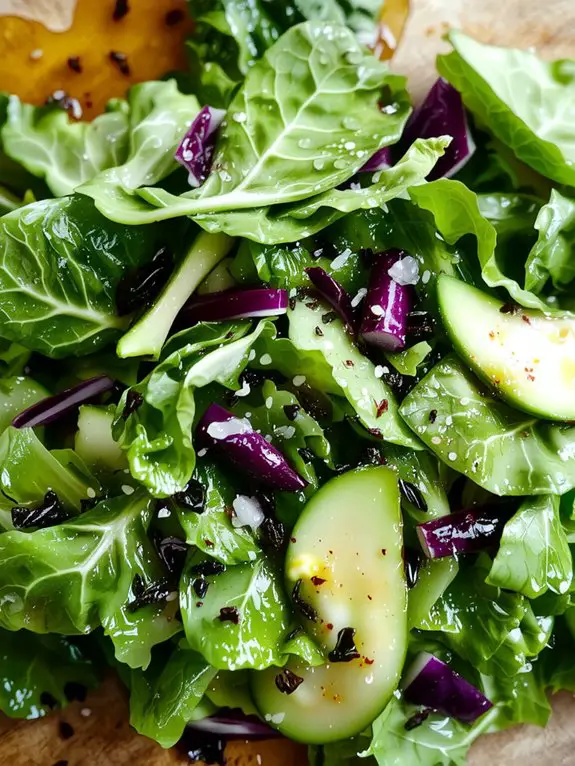
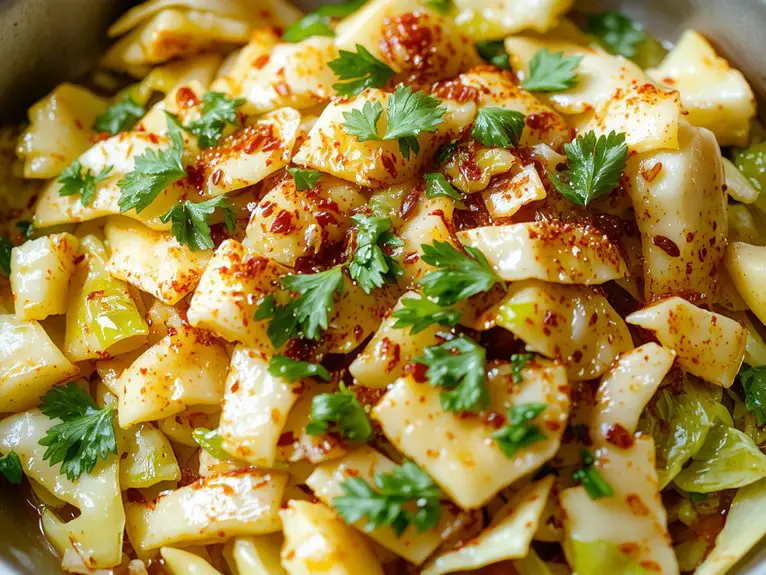
This cabbage recipe is the kind of dish that will make you rethink everything you thought you knew about this humble vegetable—it’s that good. Forget bland, boiled cabbage; this version is bursting with flavor, thanks to a simple yet game-changing blend of spices and a quick sauté that locks in all the goodness.
I’ve made this countless times, and it never fails to impress, whether I’m serving it as a side or turning it into the star of the meal. Picture tender, slightly caramelized cabbage with a hint of smokiness from paprika and a bright, tangy finish from a splash of vinegar.
It’s a recipe that’s as easy to make as it’s delicious, and I’m confident it’ll become a staple in your kitchen too. Let’s get cooking!
Ingredients
To make this homemade cabbage recipe shine, start with fresh, crisp ingredients. The star is, of course, the cabbage, but a few key additions elevate the dish.
Feel free to swap where needed, but don’t skimp on the essentials—they’re what make this recipe truly memorable.
- Green cabbage: Firm and fresh, it’s the backbone of this dish. Avoid wilted leaves for the best texture.
- Olive oil: Adds richness and helps the cabbage caramelize beautifully. Can substitute with avocado oil if needed.
- Garlic: Fresh cloves are a must—they bring depth and aroma. Pre-minced garlic won’t deliver the same punch.
- Onion: Sweet or yellow onions work best, adding a subtle sweetness.
- Apple cider vinegar: Brightens the dish with a tangy kick. White wine vinegar is a good alternative.
- Smoked paprika: Adds a smoky warmth—don’t skip this!
- Salt & black pepper: Essential for seasoning. Adjust to taste.
- Optional: Red pepper flakes for heat or a sprinkle of fresh parsley for garnish.
How to Make the Best Perfectly Spiced Cabbage Dish
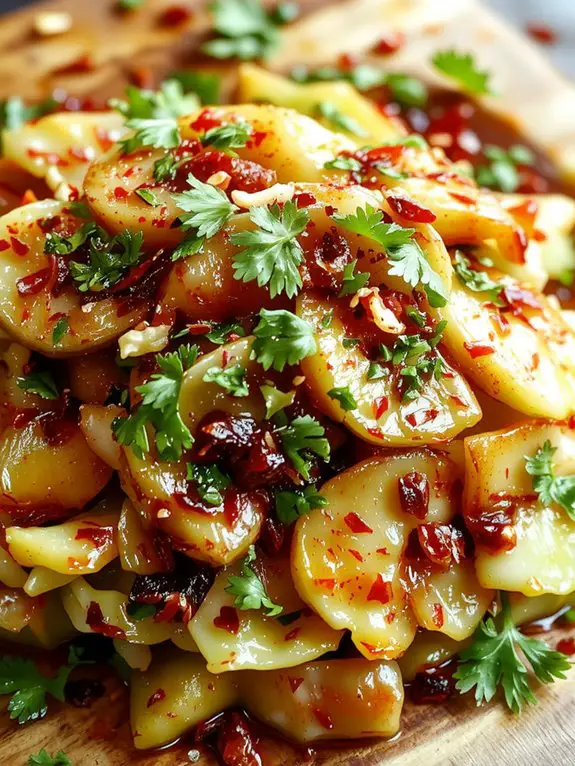
– Prepare the cabbage: Start by removing the outer leaves of the cabbage and cutting it into thin slices or shreds. This guarantees even cooking and better absorption of flavors. Rinse thoroughly and pat dry to remove excess moisture.
*Pro Tip*: Use a sharp knife or a mandoline slicer for uniform pieces, which cook more evenly.
– Sauté aromatics: Heat a large skillet over medium heat and add oil or butter. Once hot, add finely chopped onions, garlic, and optional ginger. Sauté until fragrant and slightly golden, about 2-3 minutes.
*Watch-Out Warning*: Avoid burning the garlic, as it can turn bitter quickly. Stir frequently.
– Add spices: Sprinkle in ground turmeric, cumin, and coriander (or your favorite spices) into the skillet. Stir to coat the aromatics and let the spices bloom for about 30 seconds. This step enhances their flavor.
*Why It Matters*: Blooming spices in oil releases their essential oils, intensifying the dish’s taste.
– Cook the cabbage: Add the shredded cabbage to the skillet and toss to coat it evenly with the spice mixture. Stir occasionally, making sure it cooks evenly. Cover the skillet for 3-4 minutes to soften the cabbage slightly, then uncover and continue cooking until tender but still crisp.
*Visual Cue*: The cabbage should look vibrant and slightly wilted but retain a bit of crunch.
– Season and balance flavors: Sprinkle salt and black pepper to taste. For a hint of acidity, squeeze fresh lemon juice over the cabbage or add a splash of vinegar. Toss everything together.
*Flexibility*: Adjust seasoning to your preference—add chili flakes for heat or a pinch of sugar to balance acidity.
– Finish and serve: Garnish with fresh cilantro or parsley for a pop of color and freshness. Serve hot as a side dish or with rice for a complete meal.
*Pro Tip*: Let the dish rest for 5 minutes before serving to allow the flavors to meld.
*Time-Saving Trick*: Prep all ingredients beforehand (chopped onions, garlic, and shredded cabbage) to streamline the cooking process.
Nutrition
This homemade cabbage recipe is packed with nutrients and is a healthy addition to any meal. Here’s the nutritional breakdown per serving:
| Nutrient | Amount |
|---|---|
| Calories | 50 |
| Protein | 1.5g |
| Fat | 0.2g |
| Carbohydrates | 11g |
| Fiber | 4g |
| Sugar | 5g |
| Sodium | 30mg |
Chef Tips
Getting the most out of this cabbage recipe comes down to a few simple tricks I’ve picked up over the years. First, salt the cabbage and let it sit—it draws out excess water for better texture.
Don’t overcrowd the pan; crisp edges need space. A splash of vinegar brightens flavors.
Finally, finish with a pat of butter for richness. Small touches make all the difference.
Frequently Asked Questions
Can I Use Red Cabbage Instead of Green?
Yes, you can use red cabbage instead of green. I’ve done it before, and it works fine. Just know the color might change your dish, and red cabbage can taste slightly earthier, but it’s still delicious.
How Long Can I Store Cooked Cabbage?
I’d store cooked cabbage in the fridge for 3-5 days max. Make sure it’s in an airtight container to keep it fresh. If it smells off or looks slimy, I’d toss it right away.
Can I Freeze This Cabbage Dish?
Yes, I can freeze this cabbage dish if it’s fully cooled. I’ll store it in an airtight container or freezer bag for up to three months. Thawing it in the fridge before reheating guarantees the best texture.
What’s the Best Way to Reheat Leftover Cabbage?
I’d reheat leftover cabbage on the stovetop in a skillet over medium heat, adding a splash of water or broth to keep it moist. Alternatively, I’d microwave it in a covered dish, stirring halfway through for even warmth.
Is This Recipe Suitable for a Keto Diet?
Yes, this recipe works for keto if you skip high-carb ingredients—just sauté cabbage in butter or olive oil with keto-friendly seasonings. I’d avoid adding sugar or starchy veggies to keep it low-carb.


