The Best Homemade Custard Recipe
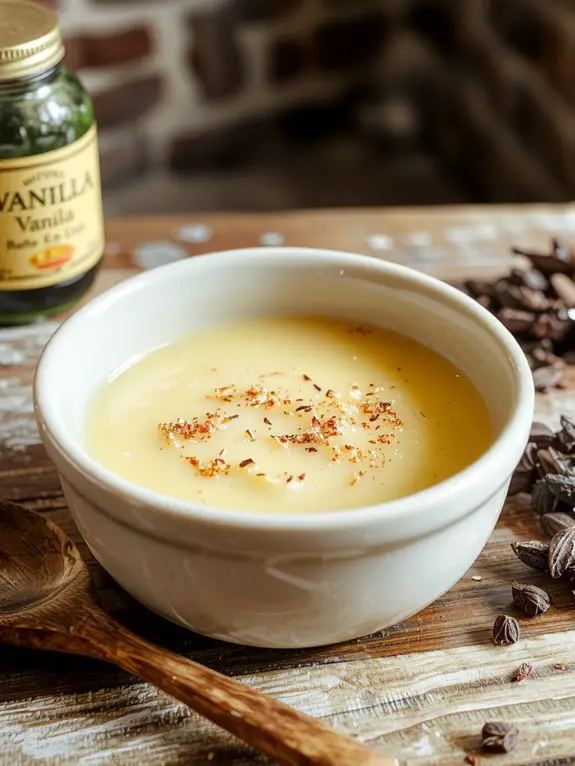
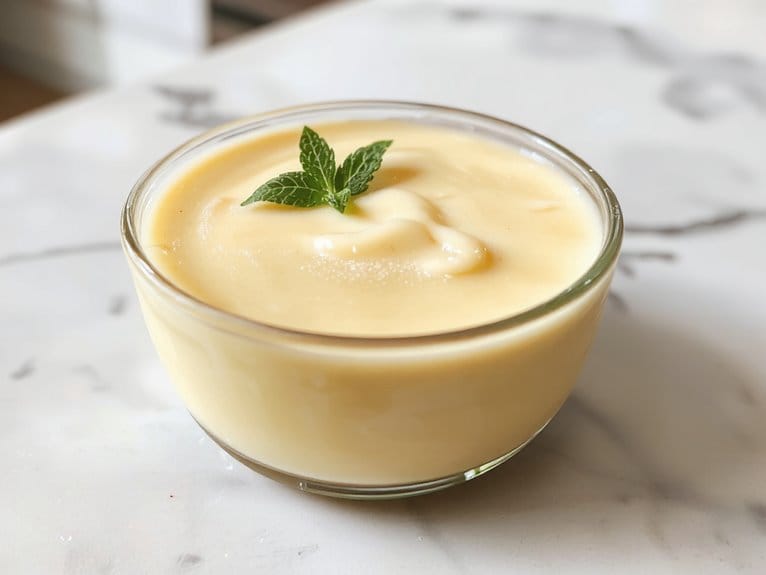
Recipe
This custard recipe is hands down the creamiest, most luxurious dessert you’ll ever make at home—trust me, it’s a game-changer.
The secret? Fresh vanilla bean and a touch of cornstarch for that silky-smooth texture that melts in your mouth.
I’ve been making this for years, and it’s always the star of the table, whether it’s a cozy weeknight treat or the finale to a fancy dinner.
Imagine rich, velvety custard with just the right sweetness, a hint of vanilla warmth, and a finish that’s impossibly smooth.
It’s easier than you think, too—just a few simple steps and a little patience.
Once you try it, you’ll never go back to store-bought. Ready to impress yourself? Let’s get started!
Ingredients
Crafting the perfect homemade custard starts with selecting the right ingredients—each one plays a pivotal role in achieving that silky, indulgent texture and rich flavor. Here’s what you’ll need, along with some insider tips to elevate your custard game:
- Whole Milk: The base of your custard, whole milk provides richness and creaminess. Avoid skim or low-fat versions—they’ll leave your custard thin and lackluster.
- Heavy Cream: For extra luxury, swap some of the milk for heavy cream. It adds a velvety mouthfeel and depth of flavor.
- Egg Yolks: These are the magic ingredient! Yolks thicken the custard and give it that signature custard yellow hue. Use large, fresh eggs for the best results.
- Granulated Sugar: Sweetens the custard without overpowering it. Adjust to taste, but don’t skimp—it balances the richness of the dairy.
- Vanilla Extract: A splash of pure vanilla extract adds warmth and depth. For a gourmet touch, scrape a vanilla bean pod into the milk instead.
- Cornstarch (optional): If you’re nervous about curdling or want a thicker custard, a teaspoon of cornstarch mixed with cold milk acts as a safety net.
Pro Tips:
Always temper your eggs by slowly adding warm milk to avoid scrambling them.
For a lactose-free version, swap milk and cream for full-fat coconut milk—it’s creamy and adds a subtle tropical twist.
Freshly grated nutmeg or a pinch of cinnamon can add a cozy, aromatic note to your custard.
Non-Negotiables:
Egg yolks and fresh vanilla are must-haves—they’re the backbone of flavor and texture. Don’t substitute these if you want custard that truly shines.
Little Wins:
Finish with a sprinkle of cinnamon or a drizzle of caramel sauce for a beautiful, dessert-worthy presentation that’ll impress anyone.
How to Make the Best Creamy Vanilla Custard Recipe
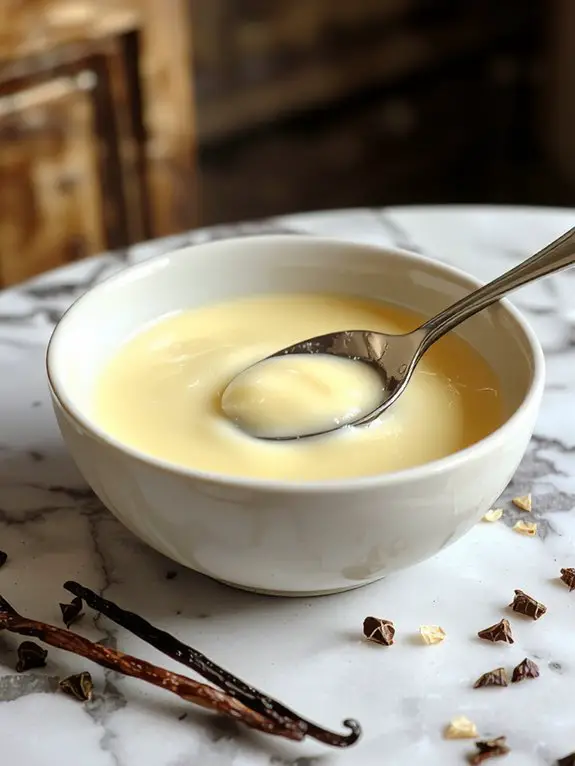
– Chill thoroughly. Cover the custard with plastic wrap, pressing it directly onto the surface to prevent a skin from forming. Refrigerate for at least 2 hours or until completely chilled.
This allows the custard to set properly.
– Serve or store. Enjoy your custard chilled as is, or use it as a filling for desserts.
Store leftovers in the fridge for up to 3 days. Stir gently before serving to restore its creamy texture.
Nutrition
2 lines intro:
Custard is a rich, creamy dessert made with milk, eggs, and sugar. Below is the nutritional breakdown per serving.
| Nutrient | Amount per serving |
|---|---|
| Calories | 210 kcal |
| Fat | 10 g |
| Carbohydrates | 25 g |
| Protein | 6 g |
| Sugar | 20 g |
| Cholesterol | 120 mg |
| Sodium | 80 mg |
Chef Tips
When making custard, I always recommend tempering the eggs to avoid curdling the mixture. Start by whisking hot liquid slowly into beaten eggs before combining them.
Use low heat and stir constantly to prevent scrambling. Strain the custard through a fine sieve for a silky texture.
Add vanilla or other flavors after cooking to preserve their intensity. Finally, chill thoroughly before serving for the best consistency.
Frequently Asked Questions
Can I Use Almond Milk Instead of Regular Milk?
Yes, I can use almond milk instead of regular milk, but I know it might make the custard thinner and slightly nuttier. I’d thicken it with extra cornstarch or egg yolks for a smoother, creamier texture.
Is This Recipe Suitable for Diabetics?
This recipe contains sugar, which may not be ideal for diabetics. I’d suggest swapping it with a sugar substitute like stevia or erythritol and using unsweetened almond milk to make it more diabetes-friendly while keeping it creamy.
How Long Can I Store Custard in the Fridge?
I can store custard in the fridge for up to 3 days if it’s covered tightly. I’ll make sure it’s cooled completely before refrigerating and check for any off smells before eating to verify it’s still fresh.
Can I Freeze Homemade Custard?
I wouldn’t freeze homemade custard because it’ll likely separate and lose its smooth texture when thawed. Freezing can cause graininess or curdling, so I’d stick to storing it in the fridge for a few days.
What’s the Best Way to Reheat Custard?
I reheat chilled custard gently over low heat while stirring constantly to prevent curdling. If it’s too thick, I add a splash of milk or cream. I never boil it—just warm it until smooth and creamy again.