The Best Homemade French Toast Recipe
Recipe
If you’ve ever thought French toast was just a simple breakfast staple, this recipe will change everything. I’ve been perfecting it for years, and trust me, this is the one you’ll want to make again and again.
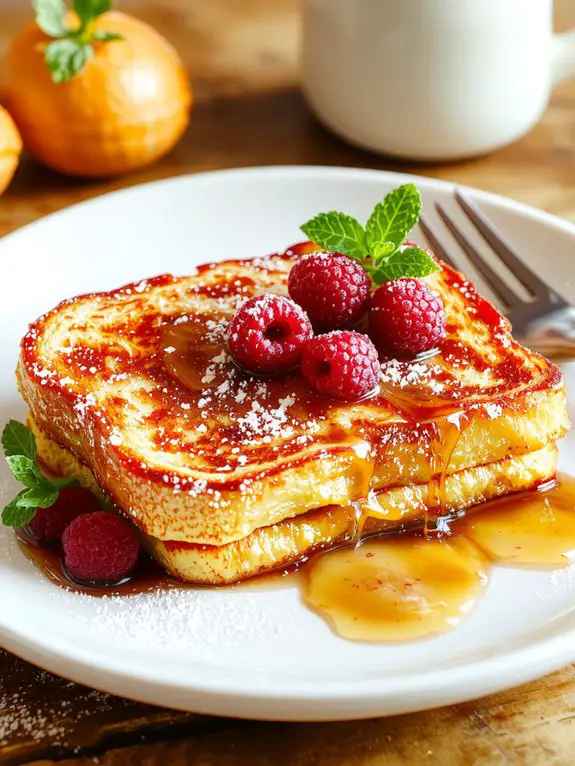
What sets it apart? It’s all about the custard—rich, creamy, and infused with a hint of vanilla and cinnamon, it soaks into thick slices of brioche, creating a golden, caramelized crust with a soft, custardy center that’s pure heaven.
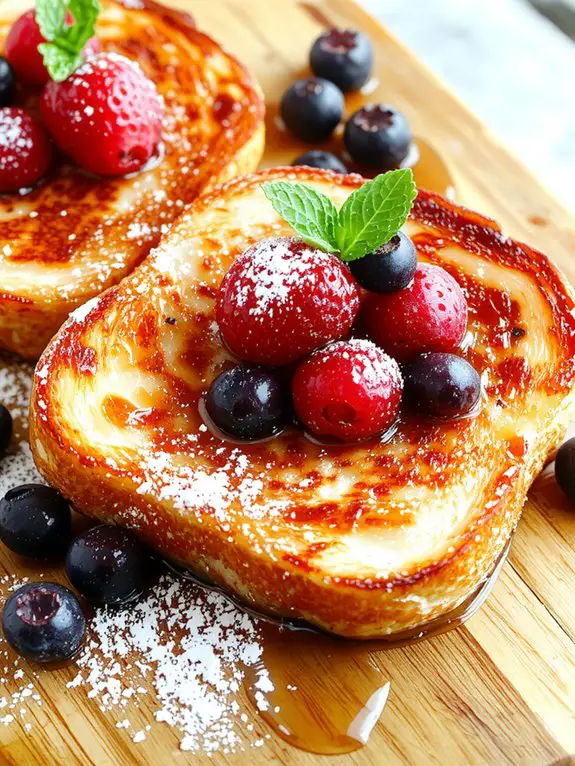
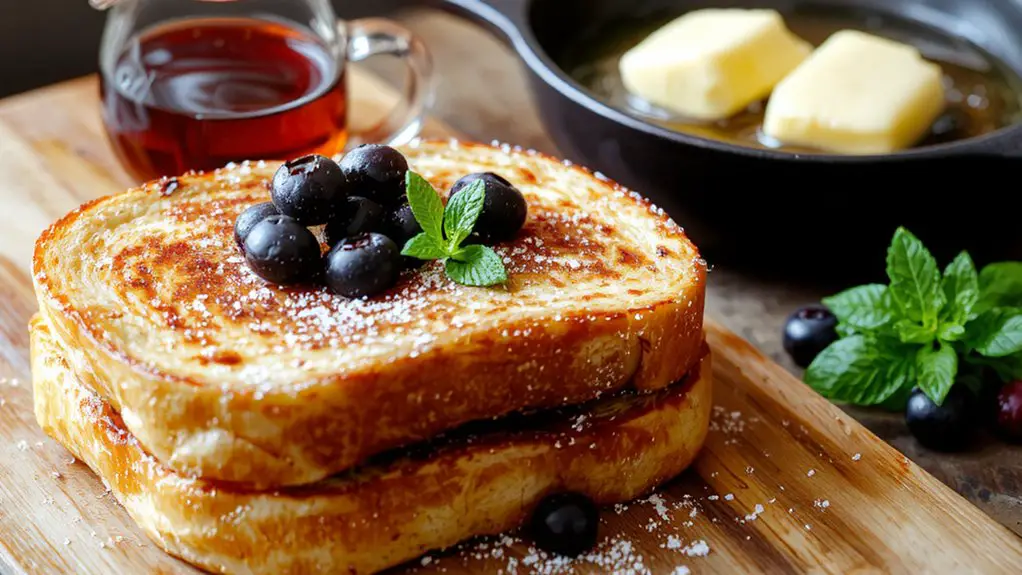
The secret is in letting the bread soak just long enough to absorb all that flavor without falling apart. I love serving it with a drizzle of maple syrup, a dusting of powdered sugar, and a handful of fresh berries for a touch of brightness.
Whether it’s a lazy Sunday morning or a special brunch, this French toast feels indulgent yet effortless to make—and I promise, it’s going to become your new go-to.
Ingredients
The secret to perfect French toast lies in the quality of your ingredients—use the best you can find, and don’t skip the extras that take it from basic to brilliant. Here’s what you’ll need:
- Bread – Thick-cut brioche or challah (day-old is ideal for soaking without falling apart). *No brioche? Texas toast or sourdough works, but avoid super-soft sandwich bread—it turns mushy.*
- Eggs – Large, fresh eggs for a rich custard base. *Pro tip: Whisk them thoroughly to avoid streaks of white in your toast.*
- Whole milk or heavy cream – Cream delivers a luxe texture, but milk keeps it lighter. *For extra richness, use half-and-half.*
- Vanilla extract – Pure vanilla (not imitation) adds depth. *A splash of almond extract is a game-changer if you have it.*
- Cinnamon – Freshly ground tastes brighter than pre-ground. *Bonus: Add a pinch of nutmeg or cardamom for complexity.*
- Salt – Just a pinch to balance the sweetness. *Don’t skip—it makes the flavors pop.*
- Butter – Unsalted for cooking (so you control the saltiness). *Clarified butter won’t burn as easily.*
- Maple syrup – The real stuff, warmed, for serving. *Honey or fruit compote are great backups.*
- Extras – Powdered sugar, fresh berries, or whipped cream for garnish. *A sprinkle of flaky sea salt on top? Chef’s kiss.*
How to Make the Best Classic French Toast Instructions
– Whisk the custard base: In a shallow bowl, combine eggs, milk, vanilla, cinnamon, and a pinch of salt. Whisk until fully blended but not frothy—overmixing can create air bubbles, leading to uneven soaking.
Pro tip: Use room-temperature eggs for smoother blending.
– Preheat your pan or griddle: Set it to medium-low heat (about 325°F if using electric) and melt a pat of butter.
Too hot, and the toast will burn before cooking through; too low, and it’ll turn soggy. A properly heated surface should sizzle gently when butter is added.
– Soak the bread evenly: Dip each slice into the custard for 10–15 seconds per side, letting it absorb just enough liquid without falling apart.
Thicker bread (like brioche or challah) can handle longer soaking, while sandwich bread needs less time.
Watch-out: Soggy bread tears easily—lift slices with a flat spatula.
– Cook to golden perfection: Place soaked bread on the preheated pan and cook for 2–3 minutes per side. Flip when the edges look set and the underside is golden brown.
Pro tip: Press lightly with the spatula to check for crispness—if it springs back, it’s done.
– Serve immediately: French toast is best eaten fresh off the griddle. Keep batches warm in a 200°F oven if needed, but avoid stacking (steam makes them soggy).
Flexibility: Top with maple syrup, fresh fruit, or powdered sugar—customize to taste!
Nutrition
French toast is a beloved breakfast dish that can be a treat, but it’s important to be mindful of its nutritional content.
| Nutrition | Per Serving (1 slice) |
|---|---|
| Calories | 150 |
| Total Fat | 6g |
| Saturated Fat | 2g |
| Cholesterol | 95mg |
| Sodium | 190mg |
| Carbohydrates | 18g |
| Fiber | 1g |
| Sugar | 6g |
| Protein | 6g |
Chef Tips
Though making French toast may seem simple, I’ve found a few tricks can elevate it from good to great. Use a serrated knife for clean, even slices of bread—it’s all about knife skills.
When plating, layer slices slightly overlapping for a polished look, and drizzle syrup in zigzags for visual appeal. Dust with powdered sugar or add fresh berries to enhance plating techniques and impress your guests.
Frequently Asked Questions
Can I Use Gluten-Free Bread for French Toast?
Yes, you can use gluten-free bread for french toast. I’ve tried different bread options and found gluten substitutions work well—just pick a sturdy gluten-free loaf so it doesn’t fall apart when soaked in the egg mixture.
How Long Can I Store Leftover French Toast?
I’d store leftover french toast for up to 3 days in the fridge. For longer storage duration, freeze it for a month. When reheating methods, I’d use a toaster or oven to keep it crispy.
What’s the Best Syrup to Serve With French Toast?
The best syrup for French toast’s classic, but I love experimenting with maple alternatives like honey, agave, or fruit-based syrups. Syrup flavors such as cinnamon, vanilla, or even berry-infused ones add a unique twist to every bite.
Can I Make French Toast Without Eggs?
Yes, I can make French toast without eggs using vegan alternatives like mashed bananas, applesauce, or flaxseed gel as egg substitutes. These options bind the bread and still create that sweet, custardy texture I love.
Is French Toast Suitable for Freezing?
Yes, I can freeze French toast! For best freezing tips, let it cool completely, then wrap slices individually. Use airtight storage methods like freezer bags. When ready, reheat in the oven for crispy texture.