The Best Homemade Jasmine Rice Recipe
Recipe
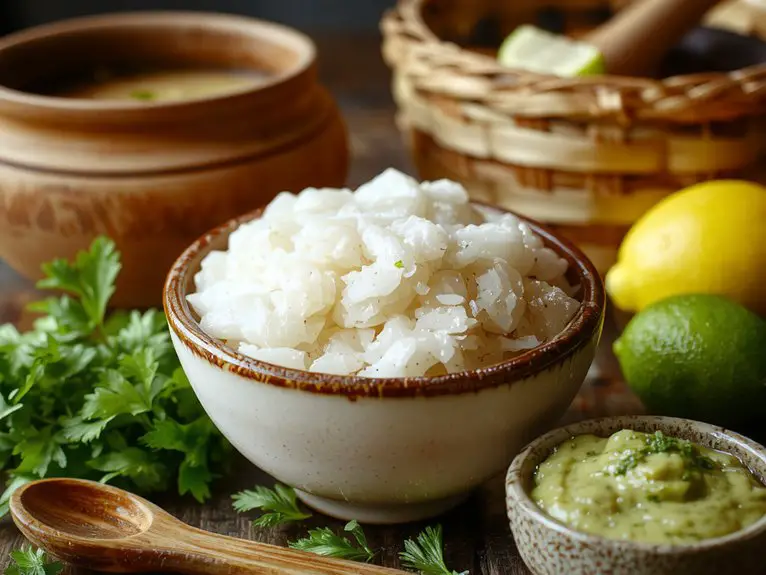
This homemade jasmine rice recipe is the game-changer you didn’t know you needed—fluffy, fragrant, and absolutely foolproof. Made with just two simple ingredients, it’s the kind of dish that turns a basic side into the star of the meal.
The secret? Using quality jasmine rice and letting it steam to perfection, releasing that signature floral aroma that fills your kitchen like a warm hug. I’ve tested this method countless times, and trust me, once you nail it, you’ll never settle for bland rice again.
Picture each grain tender, slightly sticky, and bursting with subtle sweetness—it’s the perfect canvas for curries, stir-fries, or even enjoyed on its own. Whether you’re a rice rookie or a seasoned pro, this recipe will make you feel like a kitchen rockstar in no time.
Let’s get cooking!
Ingredients
Creating the perfect batch of jasmine rice starts with the right ingredients. Fresh, high-quality components make all the difference, elevating this simple dish to restaurant-level perfection. Here’s what you’ll need and why each ingredient matters:
- Jasmine Rice: Opt for high-quality jasmine rice—its fragrant, slightly sweet aroma is non-negotiable. Look for a brand that’s labeled “long-grain” for the best texture.
- Water: Use filtered water if possible; it guarantees clean, pure flavor without any off tastes from chlorine or impurities.
- Salt: A pinch enhances the rice’s natural flavor. Skip it, and you’ll notice something’s missing.
- Oil or Butter: A teaspoon of neutral oil (like avocado or grapeseed) or butter adds richness and prevents sticking. For a lighter touch, omit it, but don’t skip it if you want that glossy finish.
- Optional: Bay Leaf or Garlic: These add subtle depth. A bay leaf infuses earthy notes, while minced garlic brings a savory kick.
Pro Tip: Rinse the rice thoroughly before cooking—it removes excess starch and prevents clumping.
No bay leaf? A pinch of dried thyme works as a clever swap. Fresh garlic cloves? Garlic powder in a pinch will do, but fresh is always best for that aromatic punch.
How to Make the Best Perfect Jasmine Rice Method
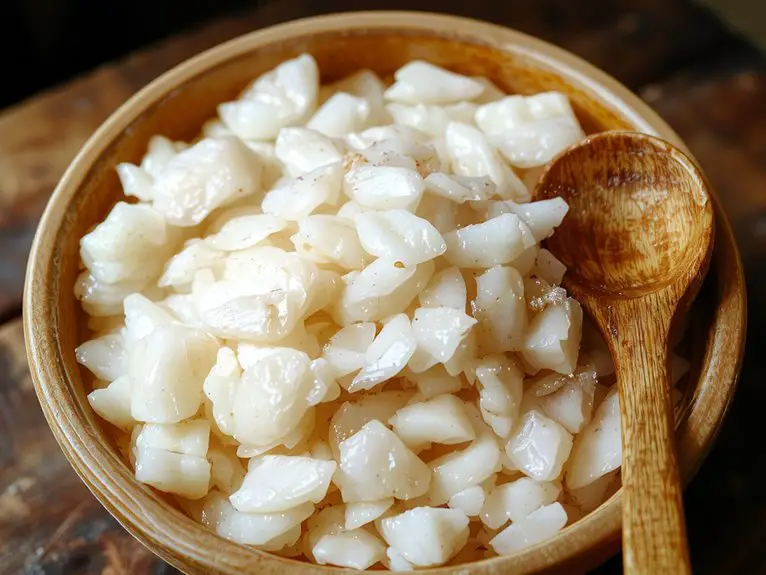
Rinse the rice thoroughly under cold water
This removes excess starch, preventing clumpy or sticky rice. Swirl the grains with your fingers until the water runs mostly clear—about 3-4 rinses.
Use a 1:1.25 rice-to-water ratio for fluffy results
For every cup of jasmine rice, add 1¼ cups water. Too much water makes it mushy; too little leaves it undercooked.
Soak the rice for 15-20 minutes before cooking
Soaking hydrates the grains, ensuring even cooking. Skip this step, and you risk uneven texture.
Cook on low heat with a tight-fitting lid
Bring water to a boil first, then reduce to a simmer. Cover tightly—no peeking! Steam is key for perfect rice.
Let it rest off the heat for 10 minutes after cooking
Resist stirring. Resting allows residual steam to finish the job, separating the grains naturally.
Fluff gently with a fork before serving
Use a fork (not a spoon) to lift and separate the grains without crushing them. Overmixing turns rice gummy.
Pro Tip: For extra fragrance, replace water with coconut milk or add a pandan leaf while cooking.
Watch Out: Don’t lift the lid during cooking—it releases steam and disrupts the cooking process.
Nutrition
Homemade Jasmine Rice is a simple and nutritious side dish that complements a variety of meals. Here are the nutritional details per serving:
| Nutrient | Amount per serving |
|---|---|
| Calories | 205 kcal |
| Carbohydrates | 45 g |
| Protein | 4 g |
| Fat | 0 g |
| Fiber | 1 g |
| Sodium | 0 mg |
Chef Tips
Though it might seem straightforward, cooking perfect jasmine rice requires a bit of finesse. I always rinse it until the water runs clear to remove excess starch.
Use a 1:1.25 rice-to-water ratio for fluffy grains. Let it steam off heat for 10 minutes after cooking.
Fluff with a fork—never a spoon—to avoid mushiness. A pinch of salt enhances flavor without overpowering.
Frequently Asked Questions
Can I Use a Rice Cooker?
Yes, I can use a rice cooker for making jasmine rice—it’s actually my go-to method. I just rinse the rice, add water to the right ratio, turn it on, and let it do its thing perfectly.
What Is the Shelf Life of Cooked Jasmine Rice?
Cooked jasmine rice lasts about 4-6 days in the fridge if stored properly. I make sure it’s cooled quickly and sealed airtight. If it smells off or looks slimy, I toss it to stay safe.
Can I Substitute Jasmine Rice With Basmati?
Yes, I can substitute jasmine rice with basmati; they’re both fragrant long-grain varieties. Basmati’s nuttier flavor’s distinct, but it works well in similar dishes. Just adjust cooking times slightly since basmati tends to take a bit longer.
How Do I Store Leftover Jasmine Rice?
I’ll let leftover jasmine rice cool completely, then transfer it to an airtight container. I keep it in the fridge for up to 4 days or freeze it for longer storage, reheating it when I’m ready.
Is Jasmine Rice Gluten-Free?
Yes, jasmine rice is gluten-free because it’s naturally made from rice grains, which don’t contain gluten. I always double-check labels if it’s processed or mixed with other ingredients, but plain jasmine rice is safe for gluten-free diets.


