The Best Homemade Mapo Tofu Recipe
Recipe
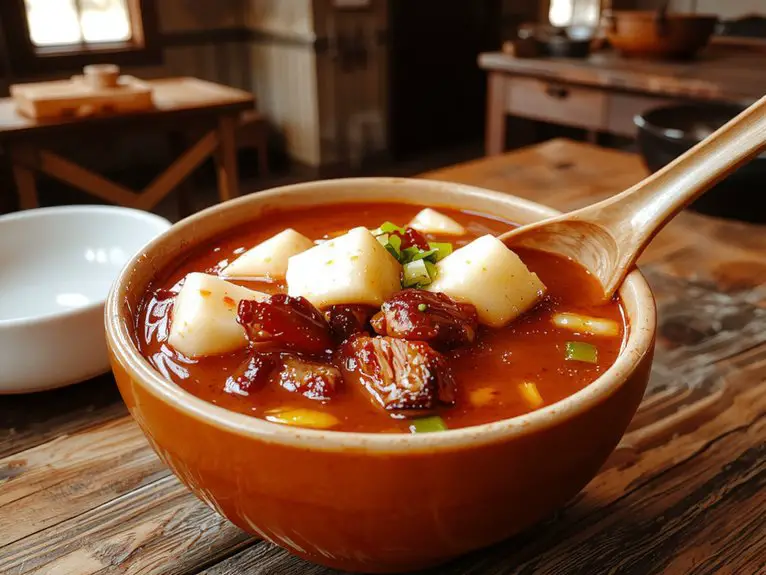
This mapo tofu will ruin takeout for you—forever. Bold claim? Absolutely, but after perfecting this recipe through countless trials (and even more taste tests), I can confidently say it’s a game-changer.
The secret? A punchy combo of Sichuan peppercorns for that signature tingling heat and umami-rich doubanjiang (fermented broad bean paste) that brings depth you just can’t replicate with shortcuts.
I learned this from my mentor, a Sichuan native, who taught me that balance is everything: silky tofu swimming in a fiery, velvety sauce, punctuated with tender ground pork and a hint of garlicky warmth.
Every bite is an explosion of flavor—spicy, numbing, savory, and utterly addictive. Whether you’re a tofu skeptic or a seasoned spice lover, this dish is your golden ticket to restaurant-quality magic at home. Trust me, once you taste it, you’ll be hooked.
Ingredients
Mapo Tofu is all about balancing bold, spicy, and savory flavors, so choosing the right ingredients is essential. Here’s what you’ll need to nail this classic Sichuan dish:
For the tofu:
- Soft or medium tofu – The star of the dish. Soft tofu absorbs the sauce beautifully, while medium tofu holds its shape better. Avoid firm tofu—it won’t achieve that silky texture.
- Sichuan peppercorns – Non-negotiable! These provide the signature numbing, citrusy kick. Toast them lightly for maximum flavor.
- Doubanjiang (fermented chili bean paste) – The backbone of the dish. Look for a high-quality Sichuan brand for the best depth of flavor.
For the sauce:
- Ground pork – Adds richness, but you can swap in ground chicken or mushrooms for a vegetarian version.
- Garlic and ginger – Fresh is a must here; they bring a sharp, aromatic punch.
- Chili oil – Use homemade or a good store-bought brand. It’s the key to that deep, fiery heat.
- Soy sauce – Go for light soy sauce for seasoning and dark soy sauce for color (optional).
- Shaoxing wine – Adds umami depth. Substitute with dry sherry if needed.
- Cornstarch slurry – Essential for thickening the sauce to that perfect glossy consistency.
For garnish:
- Scallions – Freshly chopped for a bright finish.
- Sesame oil – A drizzle at the end enhances the aroma.
Little wins:
- Fermented black beans – Optional but highly recommended for an extra layer of umami.
- Extra chili flakes – For those who love extra heat.
- Sichuan chili powder – Sprinkle on top for added spice and color.
Stick to these essentials, and you’ll create a Mapo Tofu that’s restaurant-worthy every time.
How to Make the Best Authentic Mapo Tofu Recipe
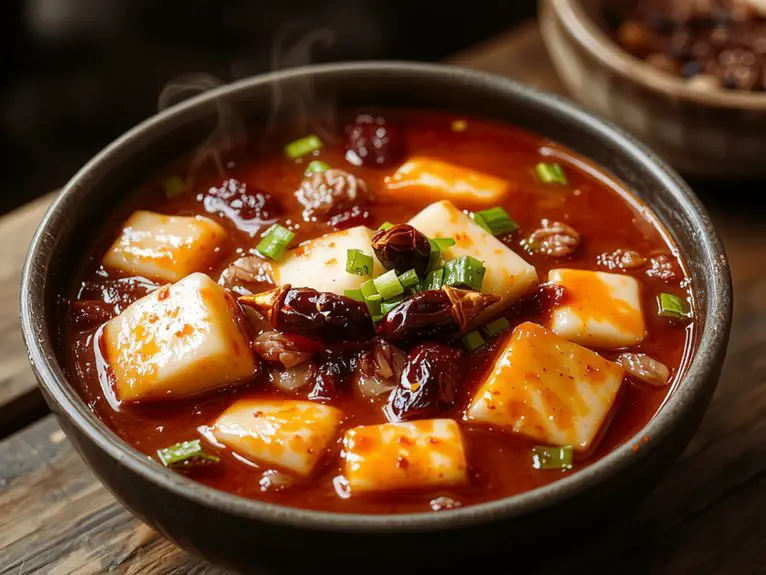
Simmer the tofu. Gently add the tofu cubes to the wok along with 1 cup of chicken or vegetable stock. Simmer for 5 minutes, allowing the tofu to absorb the flavors. Stir gently to avoid breaking the tofu. *Visual Cue:* The sauce should thicken slightly but still be pourable—not too dry or too watery.
Season and thicken the sauce. Mix 2 teaspoons of cornstarch with 2 tablespoons of water to create a slurry, then pour it into the wok. Stir gently until the sauce thickens.
Add 1 teaspoon of soy sauce and 1/2 teaspoon of sugar to balance the flavors. *Pro Tip:* Taste and adjust seasoning here—add more soy sauce or sugar if needed.
Finish with green onions and Sichuan pepper. Sprinkle the dish with chopped green onions and the toasted Sichuan peppercorns. Give it a gentle stir, then remove from heat.
*Pro Tip:* For an extra kick, grind some of the toasted peppercorns into a powder and sprinkle on top before serving.
Serve immediately. Mapo tofu is best enjoyed hot, ideally with steamed rice to soak up the rich, spicy sauce.
*Flexibility:* Leftovers can be stored in the fridge for up to 2 days, but reheating may soften the tofu further.
Nutrition
Mapo tofu is a flavorful dish that combines tofu with a spicy sauce. Here’s the nutritional breakdown per serving.
| Nutrient | Amount per Serving |
|---|---|
| Calories | 320 kcal |
| Protein | 18 g |
| Fat | 22 g |
| Carbohydrates | 12 g |
| Fiber | 3 g |
| Sodium | 800 mg |
Chef Tips
Mastering mapo tofu requires a few subtle techniques that can elevate your dish. I always blanch the tofu briefly to firm it up and remove any raw soybean flavor.
Use freshly ground Sichuan peppercorns for their aromatic buzz. Adjust the heat by adding chili oil or paste gradually.
Don’t overcook the tofu; it should stay tender. Finally, garnish with scallions for freshness and balance.
Frequently Asked Questions
Can I Freeze Leftover Mapo Tofu?
Sure, I’ve frozen leftover Mapo Tofu before, and it works fine. Just store it in an airtight container, and it’ll keep for a couple of months. Thaw it overnight in the fridge and reheat it gently.
Is Mapo Tofu Spicy for Kids?
I’d say mapo tofu can be spicy for kids, but you can adjust the heat by using less chili paste or oil. I’ve made it milder for my little ones, and they still loved the flavors.
What Tofu Firmness Works Best?
Firm or medium-firm tofu works best—it’ll hold up better in the sauce without crumbling. Soft tofu falls apart too easily, so I avoid it unless I’m making soup or a smoother dish.
Can I Make Mapo Tofu Without Sichuan Peppercorns?
Yes, I can make mapo tofu without Sichuan peppercorns, but I’ll lose that signature numbing spice. I’d use extra chili oil or flakes to amp up the heat, though it won’t taste exactly traditional.
How Long Does Mapo Tofu Stay Fresh in the Fridge?
I keep mapo tofu in the fridge for up to three days, stored in an airtight container. Beyond that, I’m cautious ‘cause the tofu texture changes, and it’s easy for it to spoil faster. I don’t risk it.