The Best Homemade Omelette Recipe

Recipe
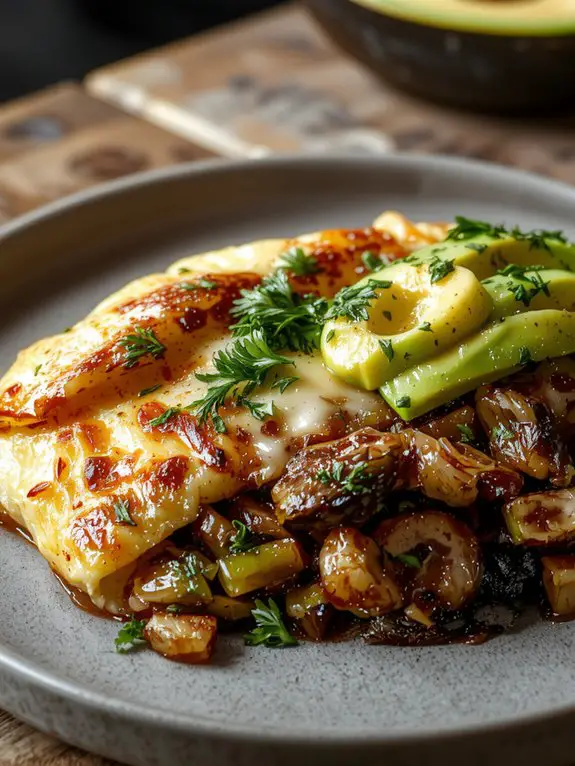
I can confidently say this homemade omelette is the best you’ll ever make—fluffy, flavorful, and foolproof. What makes it special? It’s all about the technique: gently whisking the eggs, cooking them low and slow, and adding your favorite fresh ingredients for a burst of flavor.
My go-to combo? Creamy goat cheese, sautéed spinach, and a sprinkle of chives, but feel free to get creative. The result is a velvety, golden-brown omelette that’s tender in the middle with just the right amount of filling.
Whether it’s breakfast, brunch, or a quick dinner, this recipe is a game-changer. Trust me, once you master this, you’ll never order an omelette out again.
Ingredients
For a truly exceptional omelette, the key lies in the quality of your ingredients. Fresh, high-quality eggs make all the difference, so if you can, opt for farm-fresh or pasture-raised ones. Here’s what you’ll need, along with some insider tips and swaps to make your omelette shine:
- Eggs (2-3): The star of the show. Use room-temperature eggs for a fluffier texture. If you’re feeling adventurous, duck eggs work beautifully for a richer flavor.
- Butter (1 tbsp): Unsalted butter is non-negotiable—it adds richness and prevents the eggs from sticking to the pan. For a dairy-free option, use olive oil or avocado oil.
- Salt (a pinch): Essential for enhancing the eggs’ natural flavor. Season just before cooking to avoid toughening the eggs.
- Pepper (a pinch): Freshly cracked black pepper adds a subtle heat and depth.
- Cheese (optional, ¼ cup): Gruyère, cheddar, or feta are excellent choices. Grate it fresh for the best melt. No cheese? Add a dollop of ricotta or cream cheese for creaminess.
- Fillings (your choice): Sautéed mushrooms, spinach, bell peppers, or smoked salmon elevate the omelette. Cook veggies beforehand to remove excess moisture.
Pro Tip: A splash of milk or cream (1 tbsp) whisked into the eggs creates a lighter, more tender texture. If you’re out of milk, a bit of water works in a pinch.
Little Wins: Garnish with fresh herbs like chives, parsley, or dill for a pop of color and added freshness. A sprinkle of smoked paprika or chili flakes can also add a delightful kick.
How to Make the Best Fluffy Cheese Omelette Recipe

- Whisk the Eggs Thoroughly: Crack 3 large eggs into a bowl and whisk them until fully combined. The goal is to create a uniform mixture without overmixing; over-whisking can lead to a dense omelette. A few small bubbles are a good sign—it means air is being incorporated, which helps achieve fluffiness.
- Season Thoughtfully: Add a pinch of salt and pepper to the whisked eggs. Salt can break down the eggs slightly, enhancing their texture.
For a flavor boost, consider a dash of paprika or a sprinkle of herbs like chives or parsley at this stage.
- Prepare the Pan: Heat a non-stick skillet over medium-low heat. Add a tablespoon of butter and let it melt completely, swirling to coat the pan evenly. Properly heated butter guarantees even cooking and prevents sticking.
- Pour and Cook the Eggs: Pour the whisked eggs into the pan and let them sit for a few seconds. Resist the urge to stir immediately; letting the eggs set slightly creates a fluffy base.
Use a spatula to gently push the edges toward the center, allowing the uncooked eggs to flow to the edges.
– Add the Cheese: Once the eggs are mostly set but still slightly runny on top, sprinkle a generous handful of shredded cheese (cheddar, mozzarella, or your favorite type) evenly over one half of the omelette.
This timing secures the cheese melts perfectly without overcooking the eggs.
¯
– Fold and Finish: Carefully fold the omelette in half using the spatula. Let it cook for another 30 seconds to a minute, just until the cheese is fully melted and the eggs are set but not dry.
Overcooking can make the omelette rubbery, so keep an eye on it.
- Slide and Serve: Gently slide the omelette onto a plate. For an extra touch, garnish with fresh herbs or a sprinkle of cheese. Serve immediately while it’s warm and at its fluffiest.
- Pro Tip: If you’re making multiple omelettes, keep them warm by placing them on a baking sheet in a low oven (around 200°F) while you prepare the rest.
- Watch Out: Avoid high heat, which can cause the eggs to brown and toughen. Medium-low heat is key for a tender, fluffy omelette.
- Flexibility: Feel free to add fillings like sautéed vegetables, cooked bacon, or ham with the cheese for a heartier meal.
Just make sure any fillings are pre-cooked and warm to avoid cooling the eggs too much.
Nutrition
This homemade omelette recipe is not only delicious but also packed with essential nutrients. It serves as a great source of protein and vitamins.
| Nutrient | Amount per Serving |
|---|---|
| Calories | 140 kcal |
| Protein | 10 g |
| Fat | 10 g |
| Carbohydrates | 2 g |
| Fiber | 0 g |
| Sugar | 1 g |
| Cholesterol | 210 mg |
| Sodium | 320 mg |
Chef Tips
Mastering the perfect omelette starts with a hot pan and a bit of confidence. I always use a non-stick skillet and let it heat up before adding butter—it should sizzle but not burn. Keep the heat medium-high, and don’t overmix the eggs.
Fold gently when the edges set, and let it rest before serving. A little patience goes a long way.
Frequently Asked Questions
What Are the Healthiest Fillings for an Omelette?
I’d choose spinach, mushrooms, and tomatoes for their vitamins and fiber. Adding lean proteins like turkey or chicken keeps it filling, while a sprinkle of feta or avocado adds healthy fats. It’s all about balance.
Can I Make an Omelette Without Eggs?
I can make an omelette without eggs by using chickpea flour, tofu, or mashed bananas as a base. I’ll mix it with water or plant-based milk, add seasonings, and cook it like a traditional omelette.
How Do I Prevent My Omelette From Sticking to the Pan?
To prevent sticking, I heat my nonstick pan over medium-low heat, add a little butter or oil, and let it coat the surface before pouring in the eggs. I also avoid stirring too much once the eggs set.
What’s the Best Pan Size for Making an Omelette?
I’d use an 8-inch nonstick pan for a single omelette or a 10-inch for two eggs. It’s big enough to spread the eggs evenly but not so large that the omelette becomes thin and hard to flip.
Can I Prepare Omelette Batter Ahead of Time?
You can prep omelette ingredients ahead, but don’t whisk eggs until cooking—they’ll turn watery. I keep chopped veggies, cheese, and meats ready, then mix eggs fresh for the fluffiest texture. Storing batter ruins it.