The Best Homemade Pernil Recipe
Recipe
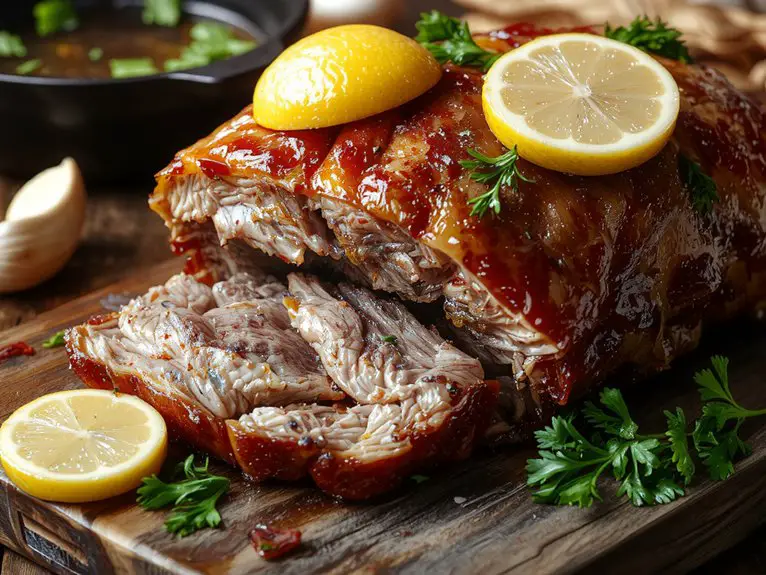
Few dishes can compete with the showstopping magic of a perfectly roasted pernil. This Puerto Rican-style pork shoulder is a celebration of flavor—juicy, tender meat with crispy, golden skin that crackles with every bite.
The secret? A garlicky, citrusy marinade that infuses every inch of the pork, plus slow roasting to melt-in-your-mouth perfection.
I’ve made this recipe countless times for family gatherings, and it never fails to disappear first. The aroma alone—garlic, oregano, and tangy sour orange—will have everyone hovering around the kitchen.
Trust me, once you try homemade pernil, there’s no going back. Let’s make it happen!
Ingredients
Pernil, the crown jewel of Puerto Rican cuisine, relies on a balance of bold flavors and a slow-cooked, tender texture. The key is in the marination—simple ingredients come together to create a depth of flavor that’s unforgettable. Here’s what you’ll need to make this iconic dish shine:
– Pork Shoulder (Pernil) – Opt for a bone-in cut (around 8-10 lbs). The bone adds incredible flavor, and the fat cap guarantees juicy, melt-in-your-mouth meat.
*Pro Tip:* Score the fat cap in a diamond pattern—it helps the marinade penetrate deeply.
*Substitution:* Pork butt works well if you can’t find shoulder.
– Garlic – Fresh Garlic cloves are non-negotiable. You’ll need at least 10-12 cloves, minced or crushed into a paste.
*Pro Tip:* Use a mortar and pestle for the smoothest garlic paste—this is where the magic begins.
– Adobo Seasoning – A blend of garlic powder, oregano, turmeric, salt, and pepper. If you can’t find pre-mixed adobo, make your own by combining these spices.
*Pro Tip:* Make sure it’s the “con pimienta” (with pepper) version for extra kick.
– Sazon – Another Puerto Rican staple, Sazon adds color and depth. Look for the annatto-based version (con culantro y achiote).
*Substitution:* If unavailable, mix paprika, garlic powder, and annatto powder for a similar effect.
– Olive Oil – Acts as a binder for the marinade and helps crisp up the fat cap during roasting.
*Pro Tip:* Extra virgin olive oil adds the best flavor, but any olive oil will do.
– Fresh Oregano – Fresh is essential here—it brings a bright, herbaceous note.
*Substitution:* Dried oregano works in a pinch (use half the amount).
– Fresh Cilantro – Adds a fresh, citrusy undertone.
*Pro Tip:* Chop finely and mix into the marinade for even distribution.
– Fresh Lime Juice – Balances the richness of the pork with acidity.
*Substitution:* Orange juice works if lime isn’t available, but lime delivers the best zing.
- Salt – Kosher salt is ideal for seasoning the pork evenly. Don’t skimp—proper seasoning is key.
- Black Pepper – Freshly ground pepper adds warmth and depth to the marinade.
- Onion Powder – Adds a subtle sweetness and enhances the savory notes.
*Pro Tip:* Use this alongside fresh garlic for layers of flavor.
Extras for Serving:
- Cilantro-Lime Rice – A perfect sidekick to soak up the juices.
- Tostones or Maduros – Fried plantains add a sweet or salty crunch.
- Mojo de Ajo (Garlic Sauce) – Drizzle over the meat for an extra garlicky punch.
Stick to these essentials, and you’ll have a pernil that’s tender, flavorful, and downright irresistible. The marinade does all the heavy lifting—just give it time to work its magic!
How to Make the Best Authentic Puerto Rican Pernil
Prepare the marinade: Combine garlic, oregano, olive oil, salt, pepper, and adobo seasoning in a bowl. This mixture is the heart of the flavor, so don’t skimp on the garlic or the seasoning. Rub it generously over the pork shoulder, making sure to get into every crevice, including shallow slits you’ll cut into the meat. This guarantees the marinade penetrates deeply.
Let it marinate overnight in the fridge—patience here pays off in flavor.
Score the pork: Before applying the marinade, use a sharp knife to make shallow cuts (about 1/4 inch deep) across the skin and fat cap of the pork shoulder. This helps the marinade seep into the meat and allows the skin to crisp up beautifully during roasting.
Don’t cut too deep—you want to keep the meat intact while creating pockets for flavor.
Bring to room temperature: Take the marinated pork out of the fridge at least 30 minutes before roasting. This secures even cooking and prevents the meat from seizing up in the oven.
Pat the skin dry with paper towels—moisture is the enemy of crispy skin.
Roast low and slow: Preheat your oven to 325°F (165°C). Place the pork skin-side up on a roasting rack in a baking pan. This allows heat to circulate evenly and fat to drip away, preventing soggy skin.
Roast uncovered for about 4-5 hours, depending on the size of the pork shoulder. Low heat guarantees tender, juicy meat, while the extended cooking time renders the fat and crisps the skin.
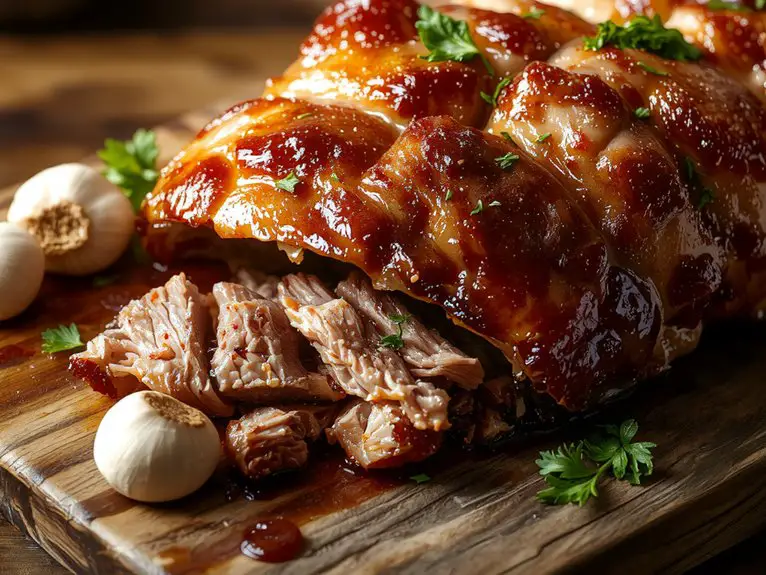
Crank up the heat for crispy skin: Once the internal temperature reaches 170°F (77°C) and the meat is fork-tender, increase the oven temperature to 450°F (230°C) for the last 20-30 minutes.
Keep a close eye here—the skin will puff up and turn golden brown. This step is essential for achieving that iconic crispy crackling.
Rest before serving: Remove the pork from the oven and let it rest for at least 20 minutes on a cutting board. Resting allows the juices to redistribute throughout the meat, securing every bite is moist and flavorful.
Tent loosely with foil to keep warm but avoid trapping steam, which could soften the crispy skin.
Carve and serve: Use a sharp knife to slice the pork, making sure to include portions of the crispy skin with each slice. Serve with traditional sides like rice and beans or yuca for a complete Puerto Rican feast.
Pro tip: Save the pan drippings—they make an incredible sauce or base for beans.
Nutrition
Pernil is a flavorful and protein-rich dish, but it’s also high in calories and fat. Here’s the nutritional breakdown per serving:
| Nutrient | Amount per Serving |
|---|---|
| Calories | 350 kcal |
| Protein | 25 g |
| Fat | 22 g |
| Carbohydrates | 5 g |
| Fiber | 1 g |
| Sodium | 800 mg |
Chef Tips
Once you’re ready to cook pernil, I’ve found a few tricks that make a big difference.
Score the fat cap deeply so flavors penetrate. Marinate overnight—patience is key.
Roast it low and slow for tender meat. Baste with its juices every hour. Let it rest before carving to lock in moisture.
Crisp the skin under high heat at the end for perfect crunch.
Frequently Asked Questions
Can I Use a Slow Cooker for Pernil?
Sure, I’ve used a slow cooker for pernil before, and it works well. I season it the same way, then cook it on low for 8-10 hours until tender. Just finish it under the broiler for crispy skin.
How Do I Store Leftover Pernil?
I store leftover pernil by placing it in an airtight container or wrapping it tightly with foil or plastic wrap. I keep it in the fridge for up to 4 days or freeze it for longer storage.
Can I Substitute Pork Shoulder With Another Cut?
Yes, I can substitute pork shoulder with pork butt or pork leg if I’m making pernil. Both cuts have similar fat content and tenderness, so they’ll work well. Just adjust cooking times if needed.
What Sides Pair Best With Pernil?
I love serving pernil with arroz con gandules, tostones, and a simple avocado salad. The rice adds heartiness, the plantains give crunch, and the salad balances the richness. A side of mojo sauce also kicks it up.
How Long Does Pernil Take to Marinate?
I’d marinate pernil overnight to let the flavors soak in. At least 12 hours works, but I prefer 24 hours—it’s worth the wait since it makes the meat tender and packed with delicious, bold taste.