The Best Homemade Pickled Beets Recipe
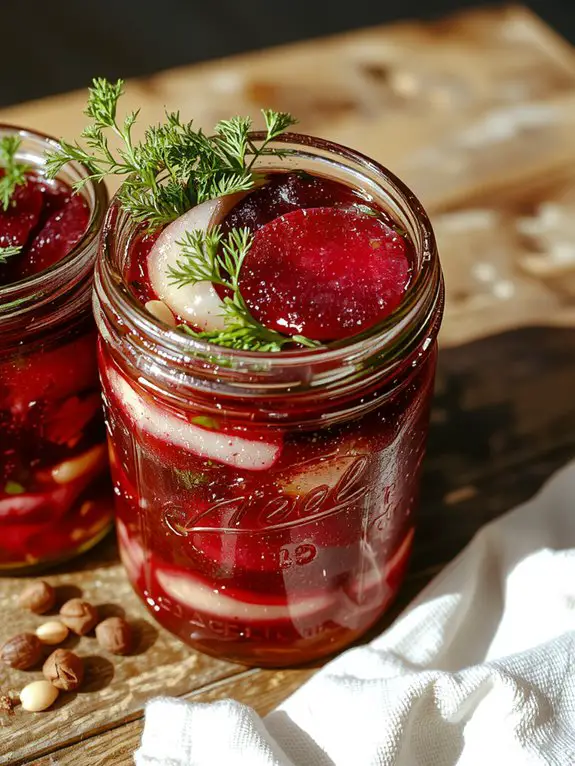
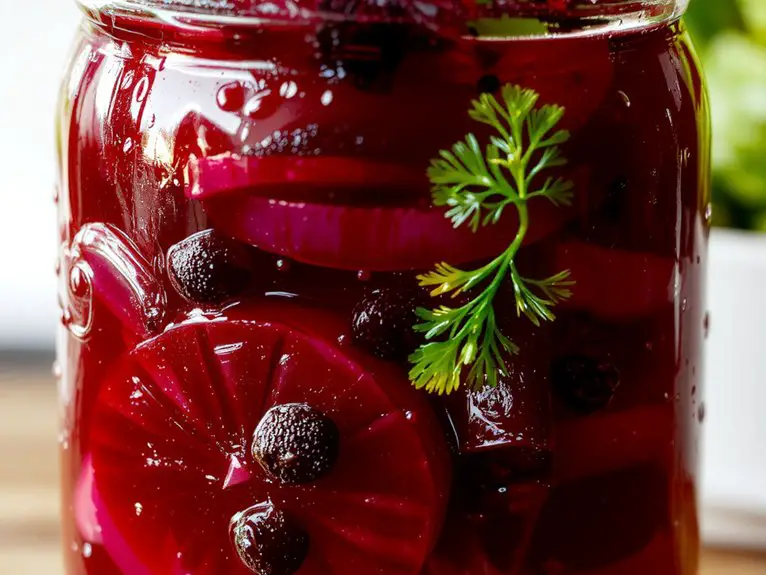
Recipe
There’s something magical about homemade pickled beets—they’re sweet, tangy, and just a little earthy, with a crunch that store-bought jars can’t touch. Once you try this recipe, you’ll never go back to the bland, mushy versions from the grocery store.
The secret? A simple brine with apple cider vinegar and warm spices that transforms humble beets into something truly special. I’ve been making these for years, and they’re always the first thing to disappear at potlucks—even beet skeptics come back for seconds.
Imagine biting into a crisp, ruby-red slice with just the right balance of sweetness and zing, perfect for salads, sandwiches, or straight from the jar. Trust me, this is the only pickled beet recipe you’ll ever need.
Ingredients
The right ingredients make all the difference—fresh, vibrant beets and a well-balanced brine create that sweet-tangy crunch. Here’s what you’ll need:
For the Beets:
- 2 lbs fresh beets – Small to medium-sized beets are sweeter and more tender. Avoid woody or oversized ones.
- 1 tbsp salt – Kosher or sea salt works best for even seasoning.
For the Brine:
- 1 cup apple cider vinegar – Adds a fruity tang (white vinegar works, but it’s sharper).
- 1 cup water – Filtered if your tap water has strong flavors.
- ½ cup sugar – Balances acidity; honey or maple syrup can sub for a deeper flavor.
- 1 tsp whole black peppercorns – For subtle heat.
- 1 tsp mustard seeds – Lends a mild, nutty bite.
- 2 bay leaves – *Non-negotiable*—they add earthy depth.
Flavor Boosters (Pick 1-2):
- 1 cinnamon stick – Warmth without overpowering.
- 4 whole cloves – Use sparingly—they’re potent!
- 1 small red onion, thinly sliced – For extra crunch and zing.
Pro Tips:
- Peel beets after boiling—the skins slide right off!
- Sterilize jars to keep pickles shelf-stable.
- Let them sit for 3 days—the flavor gets better with time.
How to Make the Best Classic Pickled Beets Recipe
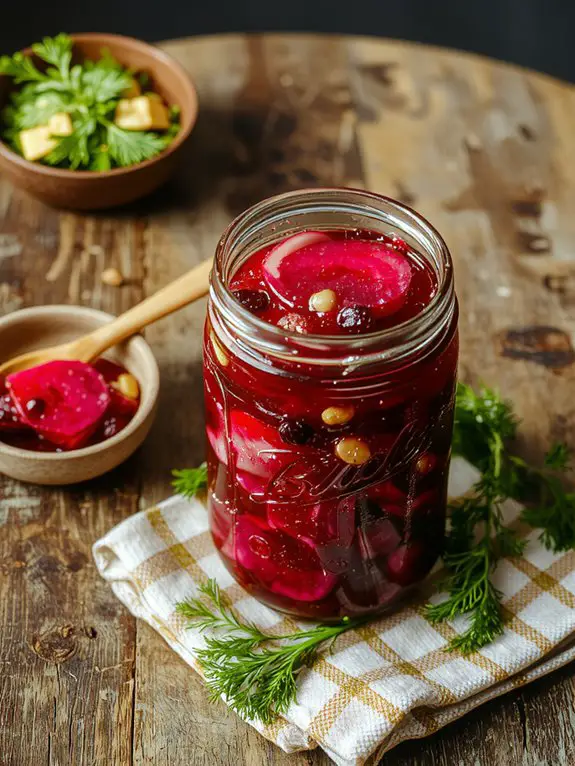
1. Prepare the beets: Wash and trim the beets, leaving about an inch of the stems to prevent bleeding. Boil them until tender (about 30-45 minutes).
Pro tip: Pierce with a fork to check doneness—it should slide in easily.
2. Cool and peel: Once cooked, transfer the beets to an ice bath to cool quickly. The skins will slip off easily when rubbed—no peeling needed before boiling!
Watch-out: Hot beets can stain hands, so use gloves if needed.
3. Slice or quarter: Cut the beets into uniform pieces for even pickling. Thinner slices absorb flavors faster, while chunks stay crunchier.
4. Make the brine: Combine vinegar, water, sugar, and salt in a saucepan. Bring to a boil, stirring until dissolved.
Optional: Add spices like peppercorns, cloves, or cinnamon sticks for depth.
5. Pack the jars: Tightly layer beets into sterilized jars with aromatics (e.g., sliced onions, garlic, or fresh dill). Leave ½-inch headspace.
Time-saving trick: Warm jars first to prevent cracking from hot brine.
6. Pour the brine: Fill jars, covering beets completely. Tap gently to remove air bubbles.
Visual cue: Brine should be clear with no floating spices.
7. Seal and store: Wipe jar rims, apply lids, and process in a water bath for 10 minutes (optional for shelf-stable pickles). Or refrigerate for quick pickles—ready in 24 hours!
Flexibility: Adjust sugar/vinegar ratios for sweeter or tangier results.
8. Wait for flavor: Let sit at least 1 day before eating.
Pro tip: Flavors deepen over time—ideal after 1 week.
Watch-out: Cloudy brine means spoilage; discard if unsure.
Nutrition
1 serving (approx. 1/2 cup)
Calories: 60
| Nutrient | Amount |
|---|---|
| Total Fat | 0g |
| Sodium | 120mg |
| Total Carbs | 14g |
| Dietary Fiber | 2g |
| Sugars | 12g |
| Protein | 1g |
Chef Tips
Pickling beets at home lets you control the flavor and texture, and I’ve found a few tricks to make them even better.
First, roast beets before pickling for deeper flavor.
Use apple cider vinegar for a tangy twist.
Add whole spices like cloves or mustard seeds for complexity.
Keep jars airtight to preserve crunch.
Let them sit at least 48 hours—patience pays off.
Adjust sugar or salt to taste.
Happy pickling!
Frequently Asked Questions
How Long Do Pickled Beets Last in the Fridge?
Pickled beets last about 2–3 months in the fridge if stored in an airtight container. I always check for off smells or mold before eating—if anything seems odd, I toss them to stay safe.
Can I Use Apple Cider Vinegar Instead of White Vinegar?
Yes, I can use apple cider vinegar instead of white vinegar. It’ll give the beets a slightly sweeter, fruitier taste, but they’ll still turn out great. Just make sure the acidity level’s the same for safe pickling.
Why Are My Pickled Beets Too Soft?
Your pickled beets might be too soft because you overcooked them before pickling. I always blanch beets just until tender—about 30 minutes—so they hold their texture. Overboiling breaks them down, leaving them mushy in the jar.
Do I Need to Peel the Beets Before Pickling?
I always peel my beets before pickling because the skin can be tough and bitter. If I leave it on, the texture’s off and the flavor’s not as clean. Peeling guarantees they’re tender and taste great.
Can I Reuse the Pickling Brine?
I wouldn’t reuse the brine for pickling again—it loses acidity and flavor. But I’ll sometimes use it in dressings or marinades if I’ve kept it refrigerated and it’s still fresh-smelling.


