The Best Homemade Pizza Crust Recipe

Recipe
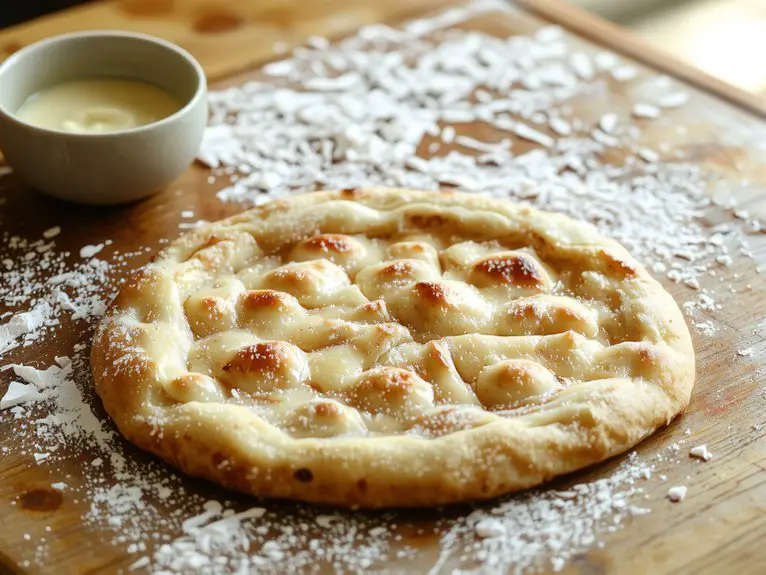
There’s nothing quite like the satisfaction of biting into a homemade pizza with a crust that’s crispy on the outside, chewy on the inside, and packed with flavor—and this recipe delivers exactly that.
Forget store-bought dough; with just a handful of pantry staples and a little patience, you’ll have a pizza crust that rivals your favorite pizzeria.
The secret? A touch of honey for depth, a slow rise for maximum flavor, and a perfectly blistered bake.
Imagine this: golden edges with a slight crunch, a tender interior, and that irresistible yeasty aroma filling your kitchen.
Trust me, once you try this, takeout won’t stand a chance. Let’s get baking!
Ingredients
Crafting the perfect homemade pizza crust starts with quality ingredients—each one plays a key role in achieving that crispy yet chewy texture. Below, we’ve broken down the essentials, along with insider tips and smart swaps to make your crust foolproof.
Flour – *Bread Flour* is ideal for its high protein content, giving the crust structure and chew. *All-purpose flour* works in a pinch but yields a slightly softer crust.
Yeast – *Active dry Yeast* is reliable and easy to find. For a quicker rise, use *instant yeast* (no proofing needed).
Water – *Lukewarm (105–110°F)* activates the yeast without killing it. Too hot? You’ll get a flat crust.
Salt – *Kosher Salt* blends evenly, enhancing flavor. Don’t skip it—this is what makes the crust taste *good*, not bland.
Sugar – Just a pinch feeds the yeast and promotes browning. *Honey* or *maple syrup* can substitute for a subtle depth.
Olive Oil – Adds richness and helps crisp the edges. *Extra-virgin* gives the best flavor, but any neutral oil works.
Cornmeal (optional) – Sprinkle on the baking sheet for extra crunch and to prevent sticking. Semolina flour is a pro alternative.
Non-negotiable: Bread flour and yeast—these are the backbone of your crust. Skimp here, and you’ll regret it.
Pro tip: Let the dough rest overnight in the fridge for deeper flavor. Cold fermentation is a game-changer!
How to Make the Best Perfect Pizza Crust Method
• Mix the dry ingredients first****
Combine flour, yeast, sugar, and salt in a large bowl. This guarantees even distribution of the yeast and salt, which helps the dough rise properly.
Pro tip: Use a whisk to blend them thoroughly—no one wants a bite of raw salt!
• Add warm water and olive oil****
Pour in warm (not hot!) water and a drizzle of olive oil. The water should be around 110°F (43°C)—too hot kills the yeast, too cold slows rising.
The oil adds flavor and keeps the crust tender.
• Knead until smooth and elastic****
Mix until a shaggy dough forms, then turn it onto a floured surface. Knead for 5–7 minutes until the dough is soft and springs back when poked.
Overkneading makes it tough, so stop when it’s just smooth.
• Let the dough rise in a warm spot
Place the dough in a greased bowl, cover with a damp towel, and let it double in size (about 1 hour).
For faster rising, put it in a slightly warmed oven (turned off). Patience here means a lighter, airier crust!
• Punch down and shape****
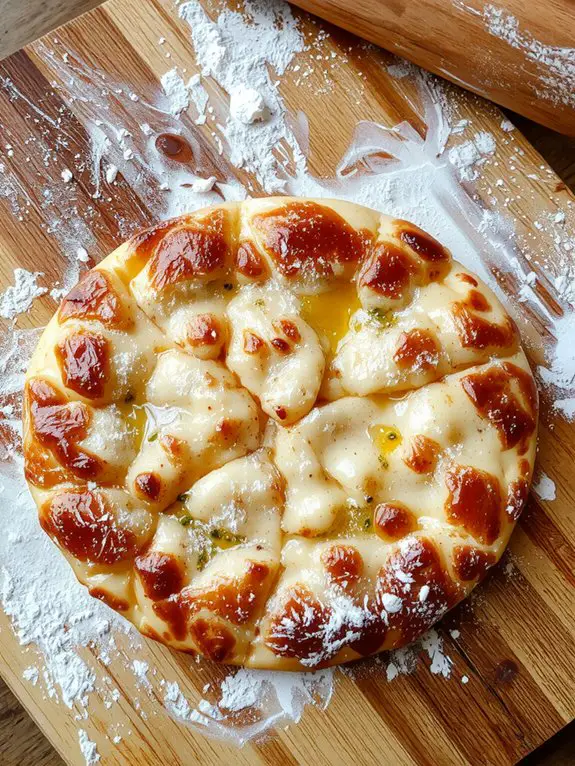
Gently deflate the dough to release air bubbles, then roll or stretch it to your desired thickness.
For a crispier crust, go thinner; for a chewier bite, leave it thicker.
Pro tip: Use your hands to stretch—it’s more forgiving than a rolling pin.
• Preheat your baking surface****
Place a pizza stone or baking sheet in the oven while preheating to 475°F (245°C).
A hot surface secures a crispy bottom. No stone? A flipped-over baking sheet works too!
• Top and bake quickly****
Add sauce and toppings, then bake for 12–15 minutes until the crust is golden and the cheese bubbles.
Watch closely—overbaking dries it out. For extra crispiness, brush the crust with olive oil before baking.
• Let it rest before slicing****
Wait 2–3 minutes after pulling it out.
This keeps the toppings from sliding off and lets the crust set. Then slice and enjoy your homemade masterpiece!
Nutrition
1 cup all-purpose flour
1/2 cup warm water
| Nutrition Facts | Per Serving |
|---|---|
| Calories | 150 |
| Fat | 1g |
| Carbs | 30g |
| Protein | 5g |
| Fiber | 1g |
| Sugar | 0g |
Chef Tips
When making homemade pizza crust, I always recommend letting the dough rest for at least 10 minutes—it makes rolling it out much easier.
Preheat your oven as high as it goes for a crispier crust.
Use semolina flour on your peel to prevent sticking.
Don’t overload toppings; less is more for even cooking.
Brush the edges with olive oil for a golden finish.
Practice makes perfect!
Frequently Asked Questions
Can I Use Whole Wheat Flour Instead of All-Purpose Flour?
Yes, you can use whole wheat flour, but I’d mix it with all-purpose flour for a lighter crust. Whole wheat alone makes it denser, so I’d start with half and half to keep the texture right.
How Do I Store Leftover Pizza Dough?
I’d wrap leftover dough tightly in plastic or store it in an airtight container. It’ll keep in the fridge for 2-3 days or freeze it for up to 3 months—just thaw it before using.
Can I Freeze the Dough for Later Use?
Yes, I can freeze pizza dough for later. I’ll wrap it tightly in plastic, then place it in a freezer bag. It’ll last up to three months—just thaw it in the fridge overnight before using.
Why Is My Pizza Crust Too Dense?
Your pizza crust might be too dense because I didn’t let the dough rise enough or kneaded it too much. I’d check if I used too much flour or didn’t give the yeast time to work properly.
Can I Make the Dough Without a Stand Mixer?
Yes, you can make pizza dough without a stand mixer. I’ve done it by hand—just mix the ingredients in a bowl, then knead it on a floured surface for about 10 minutes until it’s smooth and elastic.