The Best Homemade Pizza Dough Recipe
Recipe
Ditch the delivery—this homemade pizza dough recipe is the game-changer you’ve been waiting for. I’ve made this countless times, and trust me, once you try it, there’s no going back.
The secret? A simple blend of high-quality flour, a touch of olive oil, and a pinch of patience. It’s chewy, crispy, and packed with flavor—everything a pizza crust should be.
Plus, making it from scratch lets you control the texture and thickness, so it’s *exactly* how you like it. Whether you’re a pizza night regular or a first-time dough maker, this recipe is foolproof and guaranteed to impress.
Get ready to elevate your pizza game—it’s easier than you think!
Ingredients
The key to perfect homemade pizza dough lies in choosing the right ingredients and understanding their roles. While the recipe is flexible, there are a few non-negotiables that make all the difference. Here’s what you’ll need:
- Bread flour: High-protein flour gives the dough its chewy, elastic texture. All-purpose flour works in a pinch, but bread flour is worth it for that authentic pizzeria bite.
- Warm water (105°F–110°F): Activates the yeast without killing it. Too hot, and you’ll ruin the dough; too cold, and it won’t rise properly.
- Active dry yeast: The magic behind the rise. If you’re using instant yeast, you can skip the proofing step and mix it directly with the flour.
- Sugar: Fuels the yeast and adds a hint of sweetness. Honey or maple syrup can be used as alternatives.
- Salt: Enhances flavor and strengthens the gluten structure. Don’t skip it!
- Olive oil: Adds richness and keeps the dough soft. Use a good-quality extra virgin olive oil for the best flavor.
- Cornmeal or semolina (optional): Sprinkle on the baking surface to prevent sticking and add a subtle crunch to the crust.
Pro tip: Use filtered water if your tap water is heavily chlorinated—yeast can be finicky about water quality.
And while you can skip the oil, your crust won’t be as tender or flavorful. Fresh yeast is always better than expired packets, so check the date!
How to Make the Best Best Pizza Dough Recipe
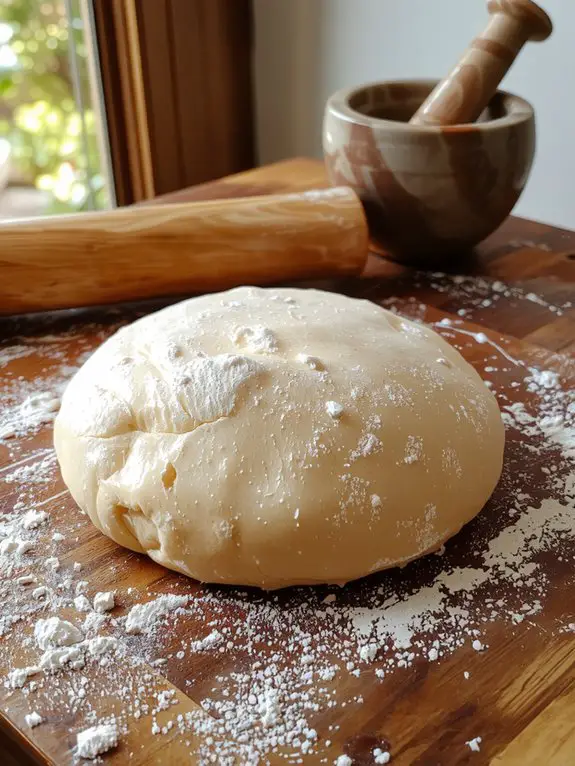
Punch down the dough to release air bubbles. This step guarantees an even texture in your crust. Gently press the dough with your fist to deflate it.
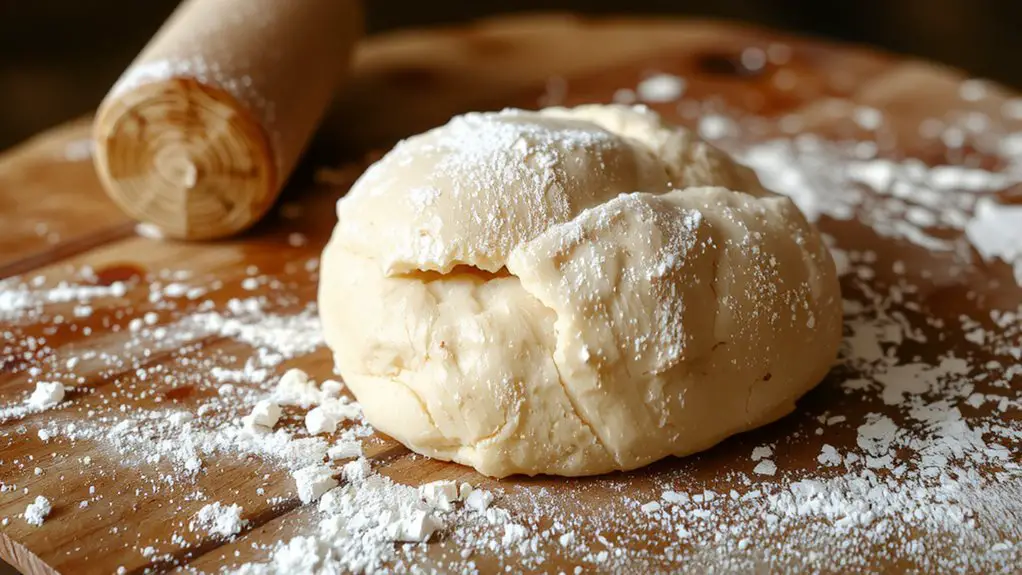
Divide the dough into two equal portions for two 12-inch pizzas. Rolling the dough into balls helps create an even crust. If you’re making a single pizza, you can freeze the second portion for later use.
Roll out the dough on a floured surface to your desired thickness. For a thin crust, roll it thinner; for a thicker crust, leave it slightly thicker. Use a rolling pin or your hands to shape it evenly.
Transfer the dough to a pizza pan or baking sheet lined with parchment paper. This prevents sticking and makes cleanup easier. Pre-shape the dough with your hands if needed to fit the pan.
Preheat your oven to 475°F (245°C) and let the dough rest while the oven heats up. This short rest allows the gluten to relax, making the dough easier to stretch and preventing shrinkage during baking. Add your favorite toppings just before baking.
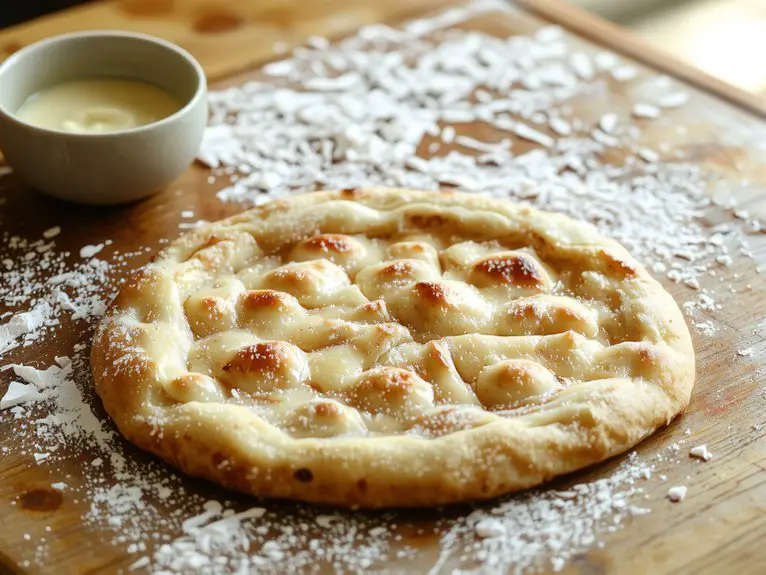
Bake for 12-15 minutes, or until the crust is golden brown. Keep an eye on the pizza during the last few minutes to avoid overbaking. Rotate the pan halfway through for even cooking. Let it cool slightly before slicing and serving.
Nutrition
This homemade pizza dough provides essential nutrients for a balanced diet. Below is the nutritional breakdown per serving.
| Nutrient | Amount |
|---|---|
| Calories | 285 kcal |
| Total Fat | 3.2 g |
| Saturated Fat | 0.5 g |
| Cholesterol | 0 mg |
| Sodium | 730 mg |
| Total Carbs | 54 g |
| Dietary Fiber | 2 g |
| Sugars | 1 g |
| Protein | 8 g |
Chef Tips
Mastering homemade pizza dough isn’t just about ingredients; it’s about technique. I always use sharp knife skills to portion dough evenly, ensuring consistent baking.
When stretching, I work gently to avoid tearing. For plating techniques, I preheat my serving board—warm dough stays crisp.
A drizzle of olive oil and fresh herbs elevates presentation. Practice makes perfect, so don’t rush the process.
Frequently Asked Questions
Can I Freeze Pizza Dough?
Yes, I can freeze pizza dough. I’ll shape it into a ball, wrap it tightly in plastic wrap or place it in a freezer-safe bag, then thaw it in the fridge overnight before using. Proper dough storage guarantees it stays fresh.
How Long Can Pizza Dough Sit Out Before Cooking?
I’d let pizza dough sit out for 1-2 hours max, as rising time effects can over-ferment it. For dough safety tips, keep it covered, in a warm spot, and avoid leaving it out too long to prevent spoilage.
What’s the Best Flour Substitute for Pizza Dough?
I’d recommend gluten-free alternatives like almond or coconut flour if you’re avoiding wheat. Comparing flour types, almond flour gives a nutty flavor while coconut’s lighter texture works well. Both can mimic traditional dough’s structure nicely.
Why Does My Pizza Dough Shrink When Rolling?
My pizza dough shrinks when rolling because its dough elasticity pulls it back. I’ve found using a gentler rolling technique helps—I let it rest longer and avoid overworking it to keep it relaxed and easier to shape.
Can I Use a Bread Machine for Pizza Dough?
Yes, I can use a bread machine for pizza dough—just pick the dough setting. I’ll check the bread machine settings to guarantee proper dough kneading techniques, and I might need to adjust the flour or water slightly for consistency.