The Best Homemade Pizza Recipe

Recipe
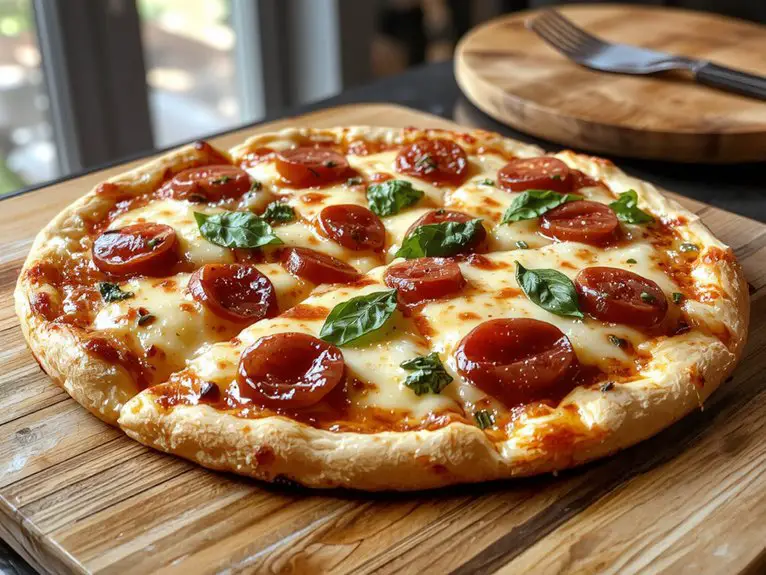
Let me tell you something—if you’ve never made pizza from scratch, you’re missing out on one of life’s greatest culinary joys. This recipe? It’s the real deal. Freshly kneaded dough, a tangy tomato sauce, and melted cheese that stretches with every bite—it’s everything a pizza should be.
What makes this version special? It’s all about the details: a golden, crispy crust with just the right chew, homemade sauce bursting with garlic and herbs, and toppings that you can customize to your heart’s content.
Trust me, once you’ve tasted this homemade pizza, you’ll wonder why you ever bothered with delivery. It’s easier than you think, and the payoff is *so* worth it. Let’s get cooking—your taste buds will thank you.
Ingredients
Great homemade pizza starts with quality ingredients—don’t cut corners here. The right flour, cheese, and sauce make all the difference between a soggy mess and a crispy, flavorful masterpiece. Here’s what you’ll need, with insider tips to nail it every time.
For the Dough:
- Bread flour (or all-purpose in a pinch) – Higher protein means chewier crust.
- Instant yeast – Skip the proofing; it’s faster and foolproof.
- Warm water (110°F) – Too hot kills yeast, too cold slows it down.
- Olive oil – Adds richness and helps crisp the crust.
- Sugar – Just a pinch to feed the yeast.
- Salt – Non-negotiable for flavor.
For the Sauce:
- San Marzano tomatoes (canned) – Sweet, low-acid, and the gold standard. Crush them by hand for texture.
- Garlic – Freshly minced, not powdered.
- Olive oil – Sauté the garlic first for depth.
- Salt & pepper – Taste as you go; tomatoes vary.
- Oregano & basil – Dried oregano for simmering, fresh basil to finish.
For the Toppings:
- Low-moisture mozzarella – Pre-shredded has anti-caking agents that make it rubbery. Buy a block and grate it yourself.
- Fresh basil – Adds brightness; add it after baking.
- Pepperoni – Get the cupping kind—it curls into crispy little cups of grease (in the best way).
- Parmesan – Finely grated for salty umami.
Pro Tip: Let your dough rest overnight in the fridge for deeper flavor.
No time? A 2-hour room-temperature rise works, but patience pays off.
Substitutions:
- No bread flour? All-purpose works, but add 1 tbsp essential wheat gluten per cup for chew.
- Fresh mozzarella? Pat it dry first or your pizza will weep.
- Short on time? Use high-quality store-bought dough or sauce, but doctor it up with garlic and herbs.
Non-Negotiables:
- Fresh garlic – Powder won’t cut it.
- Hand-crushed tomatoes – Blending makes sauce gluey.
- Whole-moisture mozzarella – Skim milk cheese doesn’t melt right.
- Salt – Essential for flavor.
Little Wins:
- Dust your peel with semolina flour to prevent sticking.
- A pizza stone or steel is game-changing for crispiness.
- Finish with a drizzle of good olive oil and flaky salt.
How to Make the Best Follow Recipe Name Exactly
- Preheat your oven: Set your oven to 475°F (245°C) and allow it to fully heat up. A hot oven guarantees a crispy crust and evenly cooked toppings.
- Prepare the dough: If using store-bought dough, let it sit at room temperature for 30 minutes to make it easier to stretch. For homemade dough, confirm it’s risen and ready to roll out.
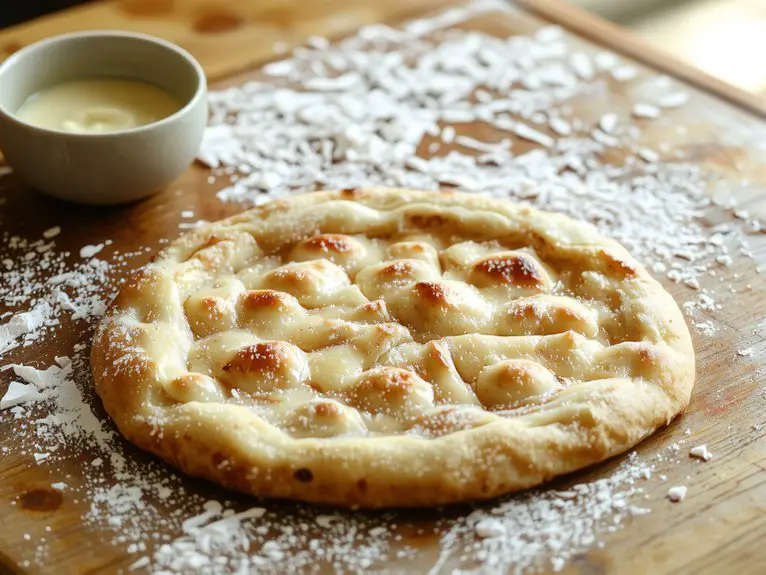
- Stretch the dough: Lightly flour your work surface and hands to prevent sticking. Gently stretch the dough into your desired shape—thin for a crispy crust or thicker for a chewier bite.
Pro tip: Use your fists to stretch the dough for even thickness.
- Prep your toppings: While the oven heats, chop and prepare your favorite toppings. Keep them ready to go for an efficient assembly process.
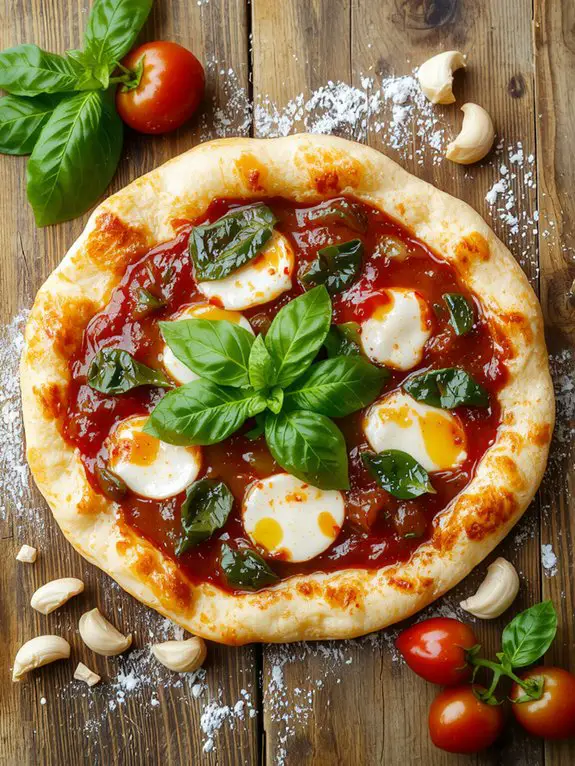
- Assemble the pizza: Place the stretched dough on a pizza stone or baking sheet lined with parchment paper. Spread a thin layer of tomato sauce, leaving a small border around the edges. Sprinkle cheese evenly, then add your toppings.
Watch out: Overloading with toppings can make the crust soggy.
– Bake the pizza: Carefully transfer the pizza to the preheated oven. Bake for 10-15 minutes, or until the crust is golden and the cheese is bubbly.
Pro tip: Rotate the pizza halfway through for even cooking.
- Let it rest: Once baked, remove the pizza from the oven and let it cool for a few minutes before slicing. This allows the cheese to set and prevents burns from the hot toppings.
- Serve and enjoy: Slice your pizza into wedges or squares and enjoy it fresh out of the oven. Pair it with a side salad or dipping sauce for a complete meal.
Nutrition
Pizza is a popular dish that can be made healthier with the right ingredients. Here’s a breakdown of its nutritional content per slice (based on a standard homemade pizza recipe):
| Nutrient | Amount |
|---|---|
| Calories | 285 kcal |
| Total Fat | 10 g |
| Saturated Fat | 4 g |
| Cholesterol | 20 mg |
| Sodium | 640 mg |
| Total Carbs | 33 g |
| Dietary Fiber | 2 g |
| Sugars | 3 g |
| Protein | 12 g |
Chef Tips
While understanding the nutritional aspects is helpful, mastering the art of homemade pizza comes down to technique. I always preheat my oven as high as it goes, use a pizza stone for crisp crusts, and stretch dough gently to avoid tearing.
Don’t overload toppings—less is more. Bake quickly to keep it tender, and let it rest for a minute before slicing. These small details make all the difference.
Frequently Asked Questions
Can I Use a Regular Oven Instead of a Pizza Stone?
Yes, I can use a regular oven instead of a pizza stone, but I’ll preheat it longer for better heat consistency. I’d bake the pizza on a sheet or inverted baking tray for a crispier crust.
How Do I Prevent the Dough From Sticking to the Pan?
I always grease my pan with olive oil or nonstick spray before adding the dough. If I’m using parchment paper, I’ll lightly flour it too. That way, my pizza slides right off without sticking.
What’s the Best Way to Store Leftover Pizza Dough?
I wrap my leftover pizza dough tightly in plastic wrap, then place it in a sealed container or zip-top bag. I store it in the fridge for a day or freeze it for up to three months.
Can I Freeze the Pizza After Baking?
Yes, I can freeze pizza after baking. I’ll let it cool completely, wrap it tightly in plastic wrap or foil, and store it in a freezer-safe bag or container. It’ll stay fresh for up to three months.
How Do I Make the Crust Crispier?
To make the crust crispier, I’d preheat my oven as high as it goes and use a pizza stone or steel. I’d also roll the dough thin and brush it with olive oil before baking to boost crispiness.