The Best Homemade Polenta Recipe
Recipe
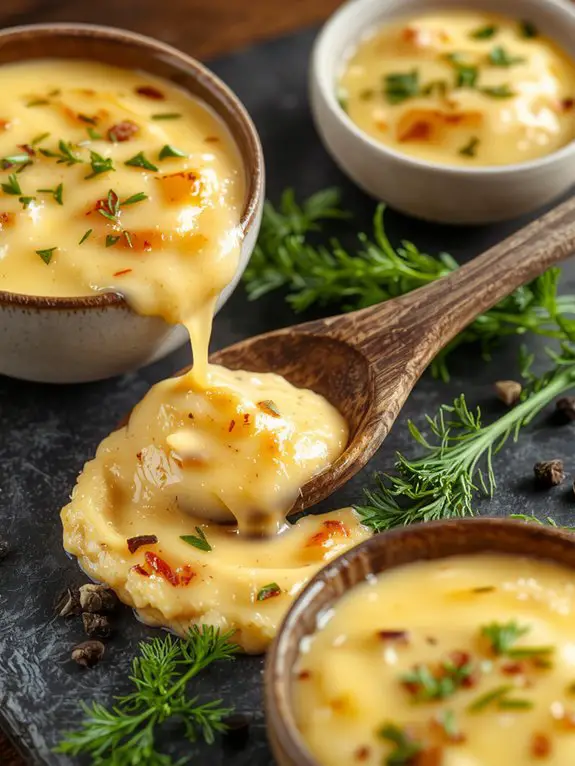
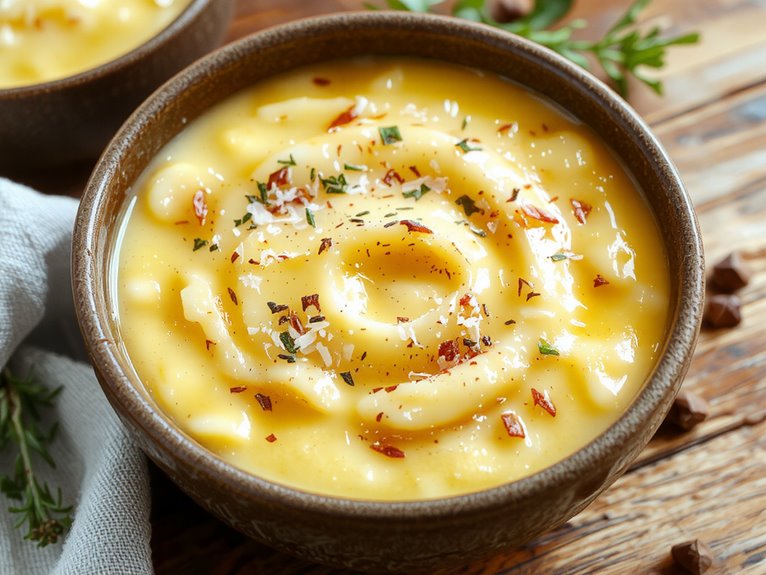
This homemade polenta is the ultimate comfort food—creamy, rich, and endlessly versatile, it’s the kind of dish that’ll make you wonder why you haven’t been making it from scratch all along. What sets it apart? Simmering stone-ground cornmeal with just the right amount of butter and Parmesan creates a velvety texture and a depth of flavor that’s hard to beat.
I’ve been making this for years, whether as a cozy side dish or a hearty base for braised meats and roasted veggies, and it never fails to impress. It’s warm, comforting, and incredibly satisfying—think creamy, slightly nutty, and just a touch cheesy.
Plus, it’s surprisingly easy to whip up, even on a busy weeknight. Trust me, once you try this, the boxed stuff will be a thing of the past. Let’s get cooking!
Ingredients
Polenta is all about simplicity, but the right ingredients make the difference between good and unforgettable. Start with high-quality cornmeal—it’s the star of the dish—and let the rest build layers of flavor.
Don’t shy away from experimenting with cheeses or herbs to make it your own.
- Cornmeal: Opt for coarse or medium-ground for the best texture. Avoid instant polenta if you want that authentic, hearty mouthfeel.
- Water or Stock: Water works fine, but using chicken or vegetable stock adds a rich depth of flavor.
- Salt: Essential for enhancing the cornmeal’s natural sweetness. Kosher salt is ideal for even distribution.
- Butter: A generous knob at the end adds creaminess and richness. Unsalted butter lets you control the saltiness.
- Cheese (optional): Parmesan, Pecorino, or Gouda are excellent choices for a cheesy twist. Freshly grated is key!
- Milk or Cream (optional): For extra richness, swap half the water with milk or add a splash of cream at the end.
- Herbs (optional): Fresh thyme, rosemary, or chives can elevate the dish. Add them at the end for a burst of freshness.
Pro Tip: Always whisk the cornmeal into boiling liquid to prevent lumps, and stir frequently for a smooth, creamy result.
If you’re out of fresh herbs, dried oregano or basil can work in a pinch. Don’t skip the butter or cheese—they’re the soul of this dish!
How to Make the Best Creamy Italian Polenta Recipe
Season to taste: Taste and season with salt and freshly ground black pepper. A pinch of salt can make all the difference in enhancing the flavors.
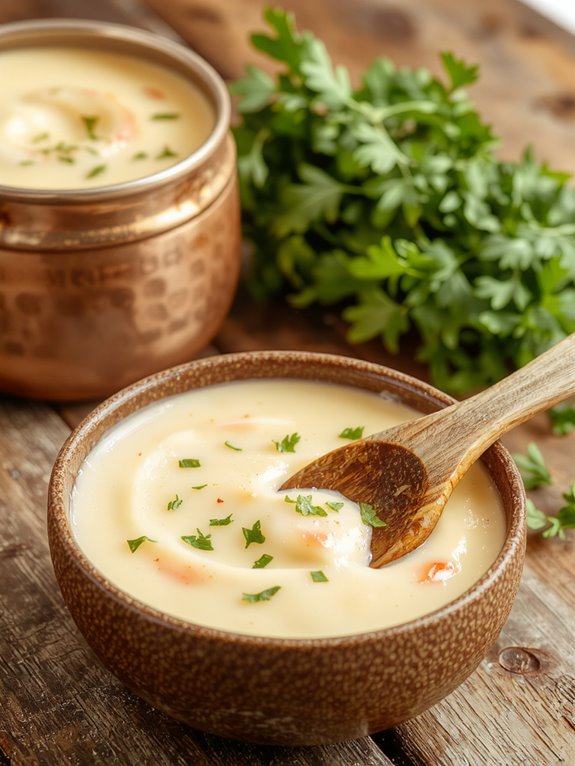
Serve immediately: Polenta thickens as it cools, so serve it right away. If it becomes too thick, you can thin it out with a splash of warm water or broth.
Pro Tip: For a creamier texture, use a 4:1 liquid-to-polenta ratio (4 cups liquid for 1 cup polenta) and stir frequently.
Watch-Out Warning: Avoid adding the cornmeal all at once or leaving it unattended while cooking, as it can clump or scorch easily.
Flexibility: If you prefer a firmer polenta for slicing or grilling, reduce the liquid slightly, or let it set in a greased pan to cool and solidify.
Nutrition
Polenta is a nutritious dish made from cornmeal, offering a good source of carbohydrates and fiber. Below is the nutritional breakdown per serving.
| Nutrient | Amount per Serving |
|---|---|
| Calories | 145 kcal |
| Carbohydrates | 31g |
| Protein | 3g |
| Fat | 1g |
| Fiber | 2g |
| Sodium | 5mg |
Chef Tips
When I make polenta, I’ve found that using a fine or medium grind cornmeal gives the smoothest texture, while coarser grinds can add a bit more bite.
I always whisk constantly when adding cornmeal to boiling water to prevent lumps. A splash of cream or butter at the end enriches the flavor and creates a creamier consistency.
Letting it rest briefly before serving helps it set perfectly.
Frequently Asked Questions
Can Polenta Be Made in a Slow Cooker?
Yes, I’ve made polenta in my slow cooker, and it’s super easy. I just mix cornmeal with water or broth, cook it on low for 6-8 hours, and stir occasionally. It turns out creamy every time!
Is Polenta Gluten-Free?
Yes, polenta is gluten-free since it’s made from cornmeal, which naturally lacks gluten. I always check labels to verify no cross-contamination, though. If you’re sensitive, I’d recommend buying certified gluten-free cornmeal to be safe.
Can I Freeze Leftover Polenta?
Yes, I can freeze leftover polenta. I’d let it cool first, then slice it into portions or store it in a container. When reheating, I’d add a splash of water or broth to keep it creamy.
What’s the Difference Between Polenta and Cornmeal?
I’ll tell you—polenta’s coarser and often yellow, while cornmeal can be fine or medium-ground. Both come from corn, but polenta’s specifically for that creamy Italian dish. Cornmeal’s more versatile—I use it in bread or batters.
How Long Does Polenta Stay Fresh in the Fridge?
Polenta stays fresh in the fridge for about 3 to 5 days if I store it in an airtight container. To keep it longer, I freeze it, where it can last up to 2 months without losing quality.


