The Best Homemade Rice Pilaf Recipe
Recipe
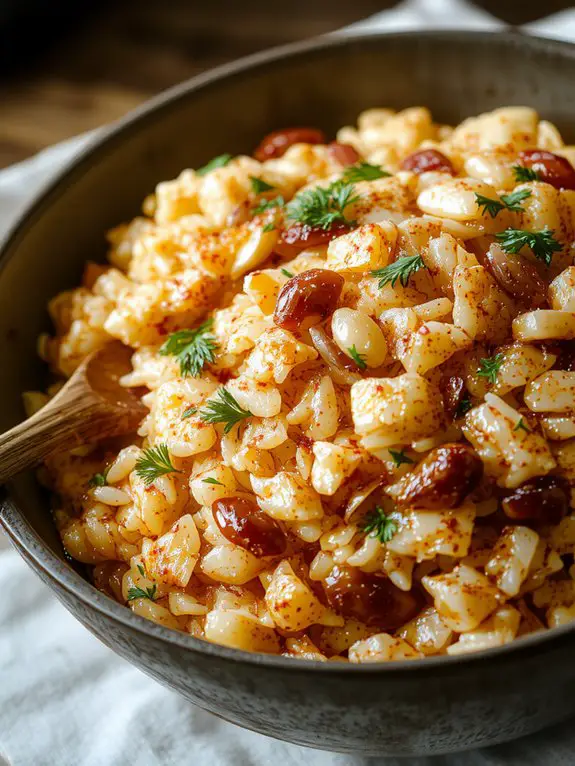
Trust me when I say this homemade rice pilaf is the ultimate side dish you’ll want to make again and again. It’s not just rice—it’s fluffy, fragrant, and packed with layers of flavor that elevate any meal. The secret? Toasting the rice in butter before simmering it with aromatic onions, garlic, and a hint of broth for that rich, savory depth. Every bite is tender yet slightly nutty, with a texture that’s perfectly light and never mushy. I’ve been making this for years, and it’s always the first dish to disappear off the table. Whether you’re pairing it with grilled chicken, roasted veggies, or enjoying it solo, this pilaf is foolproof and sure to impress. Let’s get cooking!
Ingredients
Here’s what you’ll need:
- Long-grain rice: Basmati or jasmine rice works wonders for their fragrance and texture.
- Chicken or vegetable broth: Adds more flavor than water—opt for low-sodium to control seasoning.
- Onion: Finely chopped for a sweet, savory base.
- Garlic: Minced for a subtle, aromatic kick.
- Butter: Unsalted butter is ideal for controlling saltiness (substitute with olive oil for dairy-free).
- Salt and pepper: Essential for seasoning—adjust to taste.
- Optional aromatics: Bay leaf, thyme, or parsley for added depth.
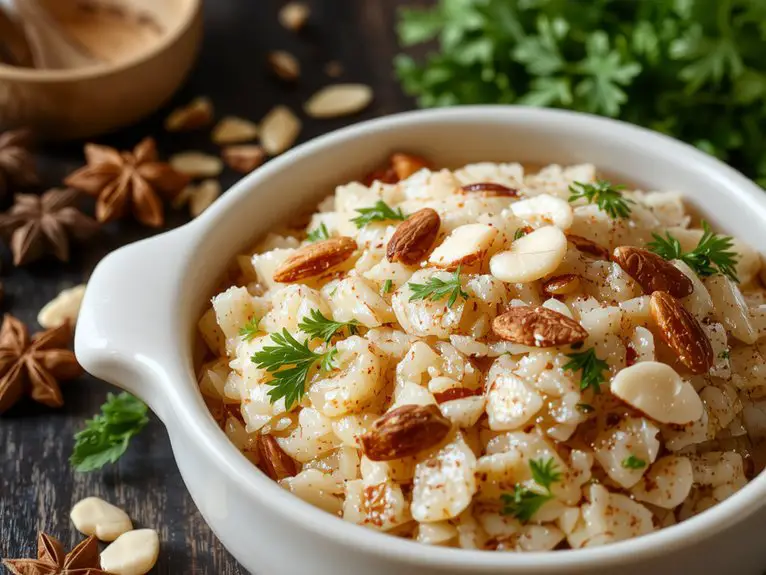
- Optional garnish: Toasted almonds or pine nuts for a crunchy finish.
Pro tip: Toast the rice in butter before adding the broth—it enhances the nutty flavor and prevents mushiness.
If you’re feeling adventurous, toss in a pinch of saffron or a squeeze of lemon juice at the end for a bright, luxurious twist.
How to Make the Best Follow Recipe Name Exactly
- Reduce heat and cover the pan tightly with a lid. Simmer on low for 18-20 minutes without lifting the lid—steam is key to perfectly cooked rice.
- Let it rest off the heat for 5 minutes after cooking. This allows the grains to firm up and absorb any remaining liquid.
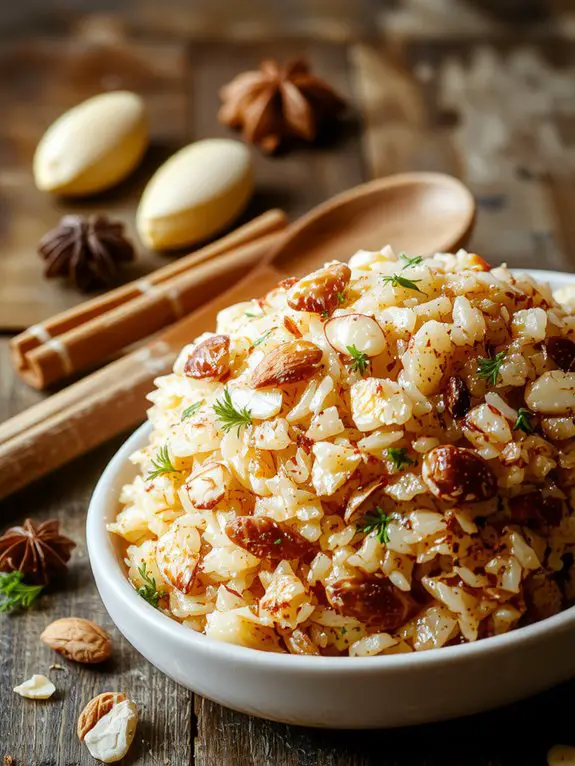
- Fluff with a fork gently to separate the grains without squashing them. Add fresh herbs or toasted nuts for extra texture and flavor.
- Serve immediately or keep warm until ready to enjoy. Pilaf pairs beautifully with grilled meats or roasted vegetables.
Pro Tip: For extra depth, toast the rice in a dry pan before adding oil or butter.
Watch Out: Avoid lifting the lid during cooking—it disrupts the steaming process and can lead to unevenly cooked rice.
Nutrition
Rice pilaf is a nutritious dish that provides essential macronutrients.
Here’s the nutritional breakdown per serving:
| Calories | 250 |
|---|---|
| Total Fat | 7g |
| Saturated Fat | 1g |
| Cholesterol | 0mg |
| Sodium | 300mg |
| Total Carbohydrates | 40g |
| Dietary Fiber | 2g |
| Sugars | 1g |
| Protein | 5g |
Chef Tips
Though making rice pilaf seems straightforward, I’ve found that a few tricks can elevate it from good to great. Always toast the rice in oil or butter before adding liquid—it enhances nuttiness.
Use broth instead of water for richer flavor.
Don’t stir once it’s simmering; fluff with a fork after cooking.
Finish with fresh herbs or a squeeze of lemon for brightness.
Frequently Asked Questions
Can I Use Brown Rice Instead of White Rice?
Yes, I can use brown rice instead of white rice, but I’ll need to adjust the cooking time since brown rice takes longer to cook. I’ll also add a bit more liquid to make sure it softens properly.
How Do I Store Leftover Rice Pilaf?
I store leftover rice pilaf in an airtight container in the fridge for up to 4 days. If I want to keep it longer, I freeze it—just make sure it’s cooled completely first.
Can I Make This Recipe in a Rice Cooker?
Yes, you can make rice pilaf in a rice cooker. I sauté onions and garlic separately, then add them with rinsed rice, broth, and spices to the cooker. Just press start—it’s foolproof and comes out fluffy every time.
What Can I Substitute for Butter?
You can substitute olive oil, coconut oil, or ghee for butter. If you want a dairy-free option, try avocado oil or vegan butter. Just use the same amount—it’ll still taste delicious and give the pilaf richness.
Is This Recipe Gluten-Free?
I can’t say this recipe’s gluten-free unless I check the ingreds. If it uses gluten-free rice and broth, it’s fine, but I’d watch for additives or spices that might have gluten. Always double-check labels.


