The Best Homemade Sticky Rice Recipe
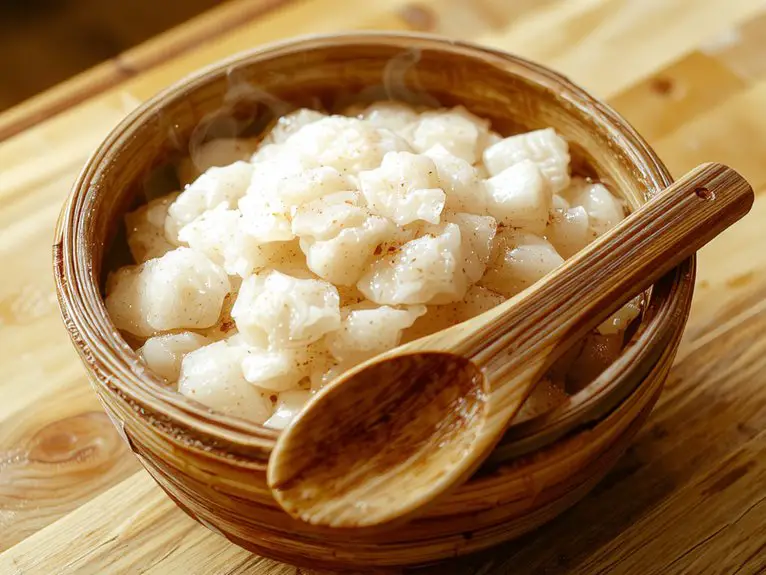
Recipe
There’s something magical about perfectly cooked sticky rice—chewy, fragrant, and just the right amount of sweet. Once you nail this recipe, you’ll never go back to store-bought versions again.
The secret? Soaking the rice long enough to release its full sticky potential, then steaming it to fluffy perfection. Imagine this: tender grains that cling together without being mushy, with a subtle nutty aroma that fills your kitchen.
Whether you’re pairing it with mango for dessert or serving it alongside savory dishes, this sticky rice is a game-changer. And trust me, it’s easier than you think—no fancy equipment needed, just a little patience and love. Let’s get cooking!
Ingredients
The secret to perfect sticky rice lies in the ingredients—using the right rice and a few key additions makes all the difference. Here’s what you’ll need, plus insider tricks to nail the texture and flavor every time.
- Glutinous rice (sweet rice) – *Non-negotiable.* This short-grain rice is starchier than regular rice, giving it that signature sticky, chewy texture. Don’t substitute with jasmine or basmati—it won’t work.
- Water – For soaking and steaming. Filtered or spring water guarantees no off-flavors.
- Coconut milk (full-fat) – *Essential for richness.* Light coconut milk works in a pinch, but the dish won’t be as creamy.
- Sugar – White or palm sugar for sweetness. Adjust to taste—some like it barely sweet, others prefer dessert-level.
- Salt – Balances the sweetness. A pinch makes the flavors pop.
- Pandan leaf or vanilla extract – *Optional but recommended.* Pandan adds a floral aroma, while vanilla gives a warm depth.
Pro tip: Soak the rice overnight for the best texture—it cooks more evenly and stays tender. No time? A 2-hour soak will do.
Flexible swap: No coconut milk? Use heavy cream diluted with water (3:1 ratio) for a similar richness.
Little win: Toasted sesame seeds or shredded coconut on top add crunch and visual appeal.
How to Make the Best Perfect Sticky Rice Technique
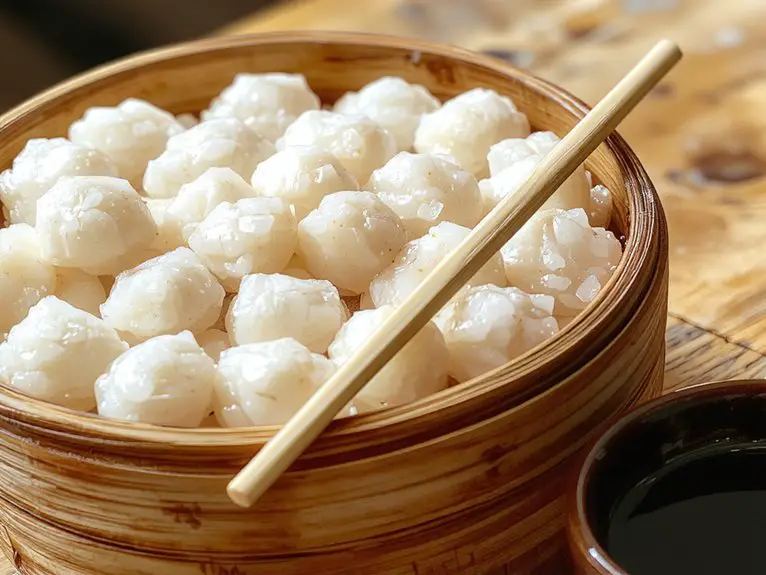
- Rinse the rice thoroughly under cold water until the water runs clear. This removes excess starch, which can make the rice too gluey.
- Soak the rice in cold water for at least 30 minutes, or up to 4 hours if you have time. Soaking helps the grains cook evenly and achieve that perfect sticky texture.
CAUTION: Don’t skip soaking! It’s essential to preventing unevenly cooked or crunchy rice.
– Drain the rice well using a fine-mesh strainer. Shake off any excess water to prevent soggy rice.
PRO TIP: For extra flavor, replace half the water with coconut milk when cooking. It adds a subtle sweetness.
– Transfer the rice to a pot or rice cooker and add water in a 1:1.25 ratio (rice to water). If using a rice cooker, follow the manufacturer’s instructions.
VISUAL CUE: After cooking, the rice should be tender but still hold its shape, with a slightly shiny surface.
– Cook the rice over medium heat until the water boils, then reduce to low and cover. Let it simmer for 15–20 minutes.
WATCH OUT: Avoid lifting the lid while cooking—trapping the steam is vital for sticky rice.
– Once cooked, remove the pot from the heat and let it rest, covered, for 5–10 minutes. This allows the grains to firm up and absorb any remaining moisture.
FLEXIBILITY: If the rice is too wet, let it rest uncovered for a few extra minutes to dry out slightly.
– Fluff the rice gently with a fork or rice paddle before serving. Be careful not to mash the grains—you want them to stay intact!
TRY THIS: Serve sticky rice warm with savory dishes or sweet toppings like mango and coconut cream for dessert.
Nutrition
Sticky rice is a nutritious dish that provides energy and essential nutrients. Here’s the nutritional breakdown per serving.
| Nutrient | Amount per Serving |
|---|---|
| Calories | 169 kcal |
| Carbohydrates | 37 g |
| Protein | 3.5 g |
| Fat | 0.3 g |
| Fiber | 1.7 g |
| Sodium | 1 mg |
Chef Tips
When you’re making sticky rice, I’ve found that soaking it overnight makes all the difference—it cooks more evenly and gets that perfect chewy texture. Rinse it well before soaking to remove excess starch.
Steam, don’t boil, for the best results. Keep the heat low and steady. A bamboo steamer works wonders, but a regular steamer’s fine.
Let it rest covered for 10 minutes after cooking—it’ll stay sticky and tender.
Frequently Asked Questions
Can I Use Sticky Rice for Sushi?
Yes, I can use sticky rice for sushi, but it’s not typical. Sushi rice is usually medium-grain and seasoned with vinegar, sugar, and salt. If I use sticky rice, it’ll be extra chewy and clumpier than traditional sushi.
Is Sticky Rice Gluten-Free?
Yes, sticky rice is gluten-free because it’s made from glutinous rice, which doesn’t contain gluten despite its name. I always check labels to guarantee there’s no cross-contamination if I’m avoiding gluten entirely.
Can I Make Sticky Rice Without a Rice Cooker?
Yes, I can make sticky rice without a rice cooker. I just soak the rice, then steam it in a pot with a colander or bamboo steamer. It takes a bit longer, but the results are just as good.
How Long Does Sticky Rice Stay Fresh?
Sticky rice stays fresh for about 3-4 days if I store it in the fridge in an airtight container. If I leave it at room temperature, it’ll spoil faster, so I refrigerate it promptly.
Can I Freeze Leftover Sticky Rice?
Yes, I can freeze leftover sticky rice. I let it cool completely, then portion it into airtight containers or freezer bags. It stays good for about a month, and I reheat it with a splash of water.


