The Best Homemade Stuffing Recipe
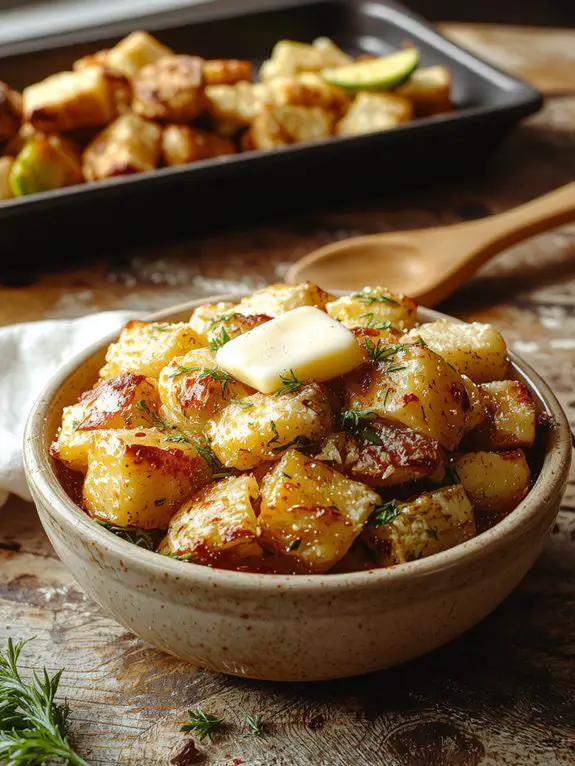
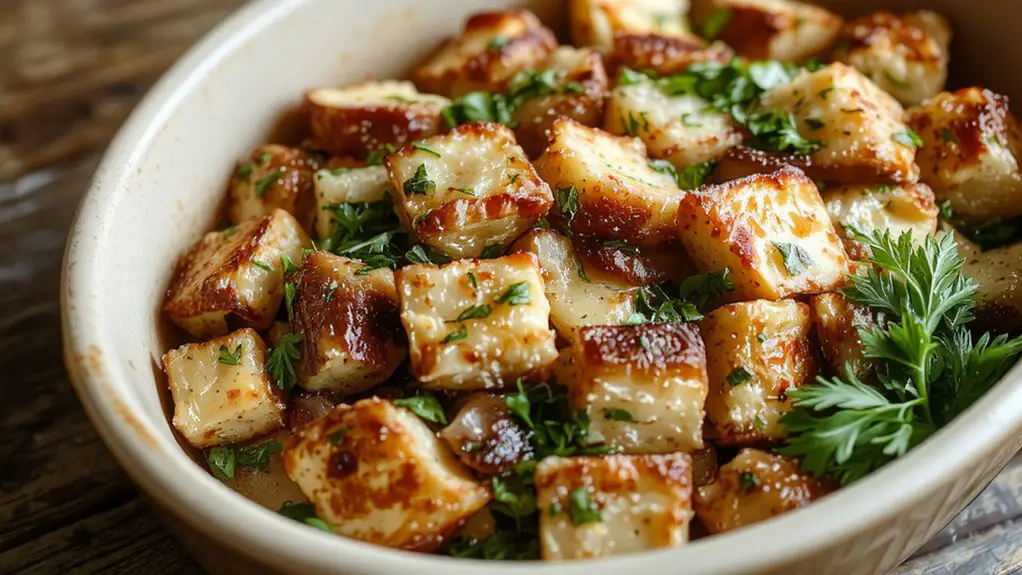
Recipe
This stuffing recipe is the crown jewel of holiday tables, and I can confidently say it’s the best you’ll ever make. What sets it apart? A perfect blend of buttery, herb-infused bread cubes, sautéed onions and celery that add depth, and just the right touch of savory chicken broth to bring it all together.
The secret? Fresh herbs like sage and thyme—trust me, they make all the difference. I’ve been making this recipe for years, and it’s earned a permanent spot in my family’s Thanksgiving tradition.
Imagine this: golden edges with a soft, pillowy center, every bite bursting with warmth and comfort. Whether you’re a seasoned cook or a kitchen newbie, this recipe is foolproof and guaranteed to impress. Let’s get started!
Ingredients
Creating the perfect homemade stuffing starts with quality ingredients that bring texture, flavor, and nostalgia to the table. The foundation is bread, but the magic lies in the mix-ins and seasonings. Don’t skimp on the aromatics—they’re the secret to depth of flavor. Here’s what you’ll need:
- Bread: Day-old rustic bread (like sourdough or French bread) is ideal—it soaks up the broth without turning mushy. If you’re in a pinch, any sturdy bread will do, but avoid pre-sliced sandwich bread for best results.
- Butter: Unsalted is key for controlling the saltiness. You’ll use plenty of it for sautéing your aromatics and giving the stuffing that rich, golden finish.
- Aromatics: Onion, celery, and garlic are the holy trinity here. Dice them finely for even distribution and sauté until soft but not browned—it’s the base of flavor.
- Herbs: Fresh sage, thyme, and parsley are non-negotiable. Dried herbs work in a pinch, but fresh will give you that vibrant, herbaceous punch.
- Broth: Use low-sodium chicken or vegetable broth. This lets you control the seasoning, and it’s essential for keeping the stuffing moist without over-salting.
- Eggs: One large egg acts as a binder, keeping the stuffing cohesive without making it dense.
- Extras: Add-ins like dried cranberries, chopped apples, or toasted nuts (like pecans or walnuts) bring sweetness and crunch. Sausage or chestnuts can also elevate it into a heartier dish.
Little Wins: Finish with a sprinkle of flaky sea salt or extra herbs on top before baking—it’s the final touch for a stuffing that looks and tastes like a holiday centerpiece.
How to Make the Best Classic Herb Stuffing Recipe
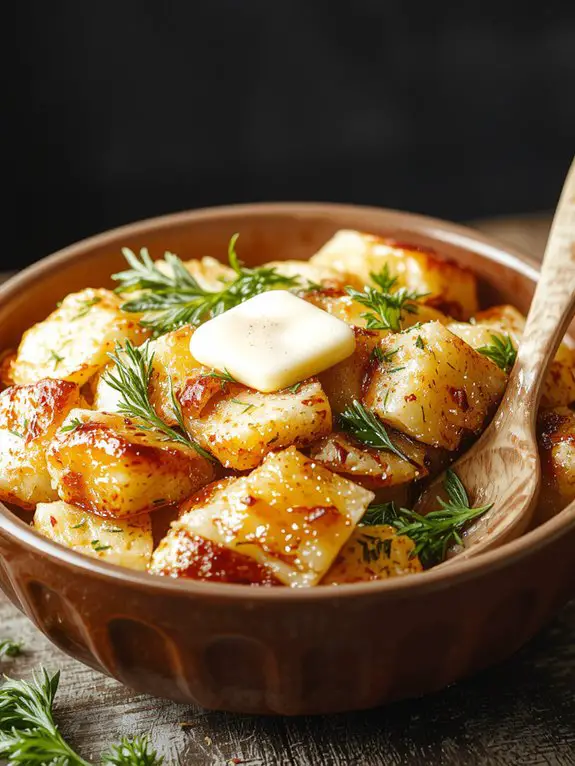
Let rest 10 minutes before serving. This allows the stuffing to set, making it easier to slice.
*Pro tip:* Garnish with fresh parsley for brightness. If making ahead, refrigerate unbaked and add 5–10 minutes to cooking time.
Nutrition
This homemade stuffing recipe is both delicious and nutritious. It provides essential nutrients for a balanced diet.
| Nutrient | Amount per Serving |
|---|---|
| Calories | 220 kcal |
| Total Fat | 9 g |
| Saturated Fat | 2.5 g |
| Cholesterol | 15 mg |
| Sodium | 480 mg |
| Total Carbohydrates | 29 g |
| Dietary Fiber | 2 g |
| Sugars | 3 g |
| Protein | 6 g |
| Vitamin D | 0.1 µg |
| Calcium | 30 mg |
| Iron | 1.5 mg |
| Potassium | 100 mg |
Chef Tips
For the best homemade stuffing, I always toast the bread cubes first—it adds depth and prevents sogginess. Sharp knife skills guarantee even cuts for uniform cooking.
Stick to the right ingredient ratios; too much broth makes it mushy, too little dries it out. I mix herbs sparingly—they should enhance, not overpower.
Let it rest before serving so flavors meld. Trust the process, and it’ll shine.
Frequently Asked Questions
Can I Use Store-Bought Bread Cubes?
Yes, I use store-bought bread cubes when I’m short on time. I’ve also tried bread alternatives like cornbread or sourdough for extra flavor. Just adjust your seasoning options since pre-made cubes might already have some.
Can I Prepare Stuffing the Night Before?
yes, i can prepare stuffing the night before—it’s a great time saving prep. i’ll assemble it, cover tightly, and refrigerate overnight. i’ll bake it the next day, letting the flavors meld during overnight refrigeration.
Does Stuffing Need to Be Covered While Baking?
I cover stuffing while baking to keep it moist. If I want a crispy top, I uncover it halfway through. A lower baking temperature helps with moisture retention, but I adjust based on my texture preference.
Can I Freeze Leftover Stuffing?
Yes, I can freeze leftover stuffing. For best results, I’d store it in an airtight container—it’ll last up to 3 months. When I’m ready to eat it, I’ll thaw it overnight in the fridge or reheat it straight from frozen.
What Can I Use Instead of Celery?
I’d swap celery for fennel, carrots, or bell peppers—they’re great celery substitutes. If I want crunch, I’d use jicama or water chestnuts. For flavor, leeks or onions work as celery alternatives in stuffing.


