The Best Homemade Sushi Rice Recipe
Recipe
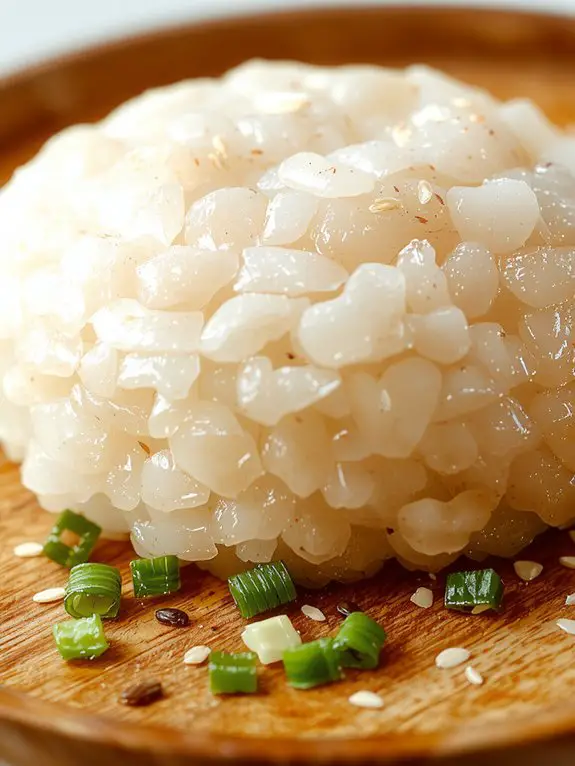
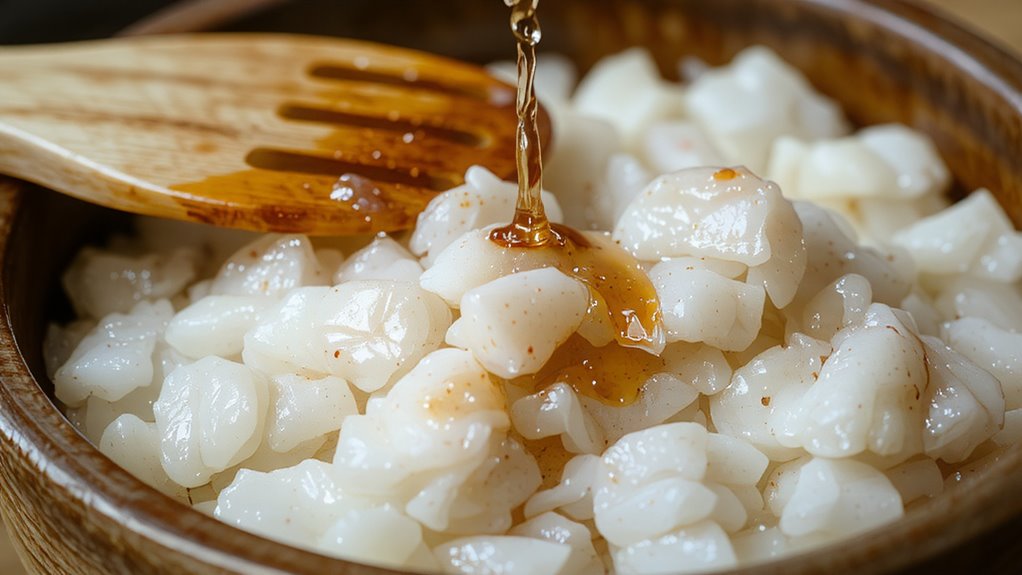
If you’ve ever thought sushi rice is too tricky to make at home, let me stop you right there—this recipe is a game-changer. With just a handful of pantry staples and a little patience, you can create restaurant-quality sushi rice that’s sticky, glossy, and bursting with flavor. The secret? A perfectly balanced rice vinegar mixture that’s tangy, slightly sweet, and utterly addictive.
I’ve been making this for years, and it’s the foundation of every sushi roll I create—trust me, it’s foolproof. Picture tender grains that hold together beautifully, with a delicate tang that complements every bite.
Whether you’re a sushi newbie or a seasoned pro, this recipe will make you feel like a kitchen superstar. Let’s get started!
Ingredients
Creating perfect sushi rice starts with the right ingredients—each plays a vital role in achieving that sticky, flavorful base. Here’s what you’ll need, along with insider tips to elevate your homemade sushi game.
- Short-Grain Japanese Rice (Sushi Rice): The foundation of any sushi dish. Its high starch content creates the sticky texture essential for rolling. Do not substitute with long-grain or basmati rice—they won’t hold together.
- Rice Vinegar: Adds a tangy, slightly sweet flavor. Seasoned rice vinegar (with sugar and salt) works too, but if using plain, you’ll need to add sugar and salt separately.
- Sugar: A small amount balances the vinegar’s acidity and gives the rice its signature taste. Granulated white sugar works best—don’t skip it!
- Salt: Enhances the overall flavor. Use fine sea salt or kosher salt for even distribution.
whileWater: Essential for cooking the rice. Use filtered water for the best results—chlorine in tap water can alter the flavor.
Pro Tip: Always rinse your rice until the water runs clear to remove excess starch and prevent gumminess.
And if you’re feeling fancy, add a small piece of kombu (dried kelp) to the rice while cooking for a subtle umami boost—just remember to remove it before seasoning.
For substitutions: If you’re out of rice vinegar, a mix of apple cider vinegar and a pinch of sugar can work in a pinch, but the flavor won’t be quite the same.
And while mirin (sweet rice wine) isn’t necessary, it can add a touch of sweetness and depth if you have it on hand.
Non-Negotiable: The right rice and vinegar are essential—skip these, and it’s not sushi rice. Everything else can be tweaked, but these two are the backbone of the dish.
Little Wins: For a restaurant-quality touch, let the seasoned rice cool slightly under a damp cloth. This keeps it moist and sticky, ready for rolling or shaping into nigiri.
How to Make the Best Perfect Sushi Rice Instructions
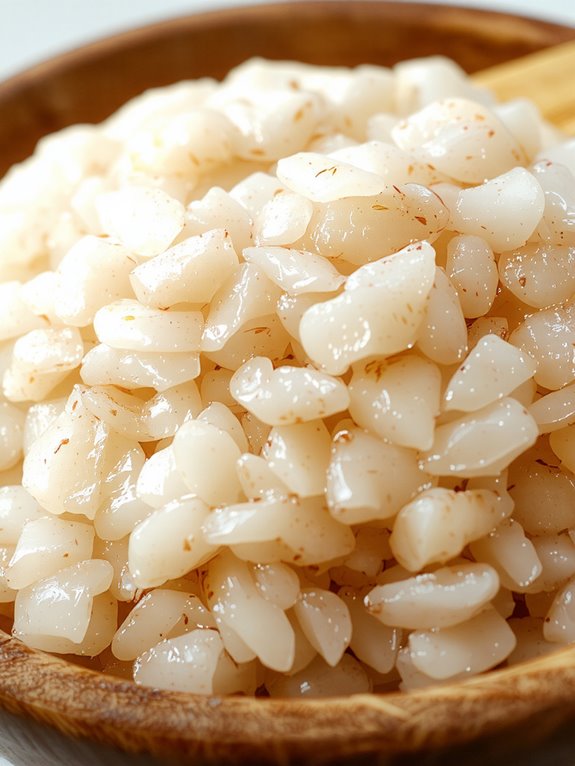
- Cook the rice in a rice cooker or on the stove. For a rice cooker, follow the manufacturer’s instructions. If cooking on the stove, use a 1:1.25 ratio of rice to water. Bring the water to a boil, then reduce the heat to low, cover, and simmer for 15 minutes. Avoid lifting the lid during cooking to maintain even steam and heat.
- Let the rice rest after cooking. Once the rice is done, turn off the heat and let it sit, covered, for 10 minutes. This allows the rice to absorb any remaining moisture and become perfectly tender.
- Prepare the sushi vinegar mixture while the rice rests. Combine rice vinegar, sugar, and salt in a small saucepan and heat gently until the sugar and salt dissolve. Let the mixture cool slightly before using to avoid breaking the rice grains.
- Transfer the cooked rice to a large, shallow bowl. Use a wooden or non-metallic spatula to gently spread the rice into an even layer. This helps it cool faster and prevents clumping.
- Gently fold in the sushi vinegar. Sprinkle the vinegar mixture over the rice and use a slicing motion to fold it in. Avoid stirring aggressively, as this can crush the rice grains. The goal is to evenly coat each grain while maintaining their integrity.
- Cool the rice to room temperature. Use a fan or a piece of cardboard to fan the rice gently while folding. This step helps achieve the glossy, sticky texture essential for sushi. Avoid refrigerating the rice, as it can harden and lose its desired consistency.
- Keep the rice covered with a damp cloth until ready to use. This prevents the rice from drying out and maintains its moisture. Sushi rice is best used within a few hours of preparation for ideal flavor and texture.
Nutrition
Nutritional values can vary based on specific ingredients and portion sizes. Below is an approximate breakdown for homemade sushi rice per serving.
| Calories: 242 | Total Fat: 0.3g | Sodium: 1mg | Carbohydrates: 53.4g | Fiber: 0.6g | Sugars: 0g | Protein: 4.4g |
Chef Tips
Though making sushi rice might seem simple, I’ve found that attention to detail can make all the difference.
Always rinse the rice until the water runs clear to remove excess starch.
Use a wooden or plastic bowl for mixing—metal can alter the flavor.
Fan the rice while seasoning to cool it quickly and achieve the perfect glossy texture.
Taste and adjust seasoning cautiously for balance.
Frequently Asked Questions
Can I Use Brown Rice Instead of White Sushi Rice?
I can use brown rice, but it won’t have the same sticky texture as white sushi rice. It’ll be healthier and nuttier, but it might not hold together as well for rolls or nigiri sushi.
How Long Can I Store Cooked Sushi Rice?
I can store cooked sushi rice for about a day if kept at room temperature, but I’d refrigerate it ASAP to last up to three days. Beyond that, I wouldn’t use it ‘cause it’ll dry out.
Do I Need a Special Pot for Cooking Sushi Rice?
I don’t need a special pot—just a regular saucepan works fine. But I’d avoid nonstick since I’ll be stirring with a wooden spoon. A heavy-bottomed pot helps prevent burning, but it’s not a must-have.
Can I Make Sushi Rice in a Rice Cooker?
Yes, I can make sushi rice in a rice cooker. I prepare the rice as usual, rinse it well, add water, and cook it on the “sushi” or regular setting. After cooking, I season it with vinegar mixture.
What’s the Difference Between Sushi Rice and Regular Rice?
Sushi rice and regular rice differ in texture and stickiness—I use sushi rice because it’s short-grain and starchy, perfect for holding together, while regular rice lacks that clinginess needed for sushi rolls.


