The Best Homemade Flatbread Recipe
Recipe
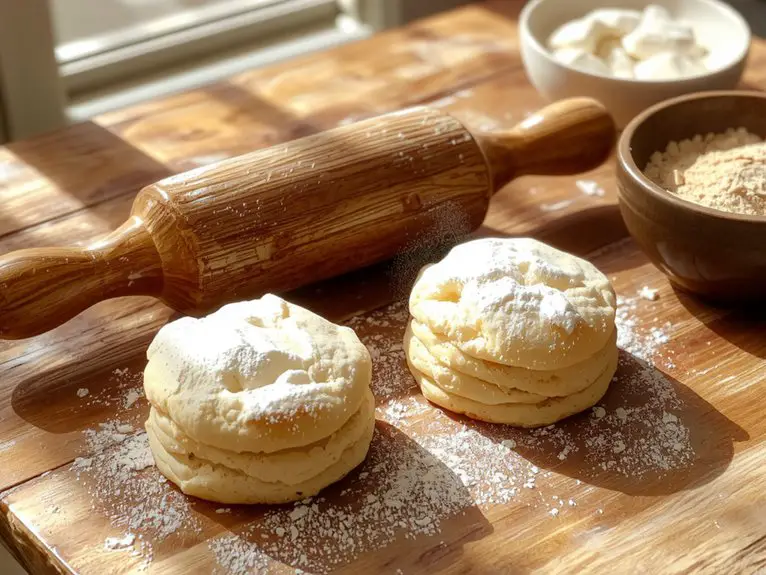
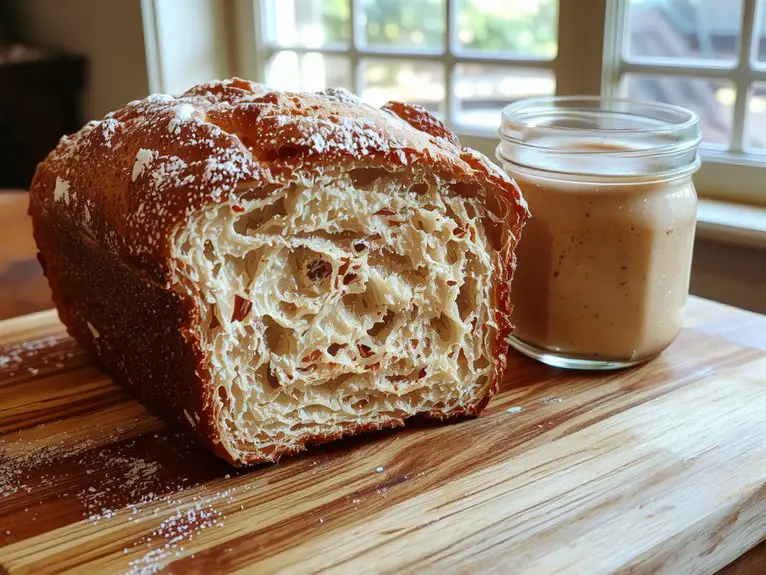
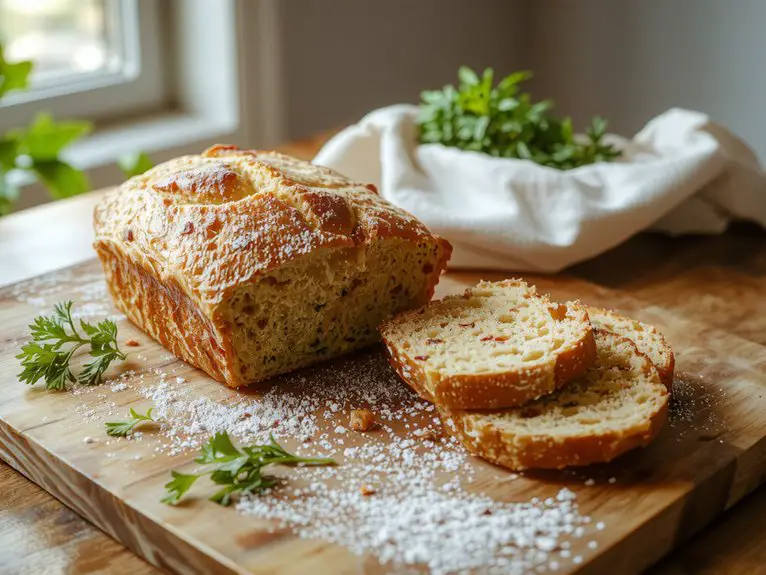
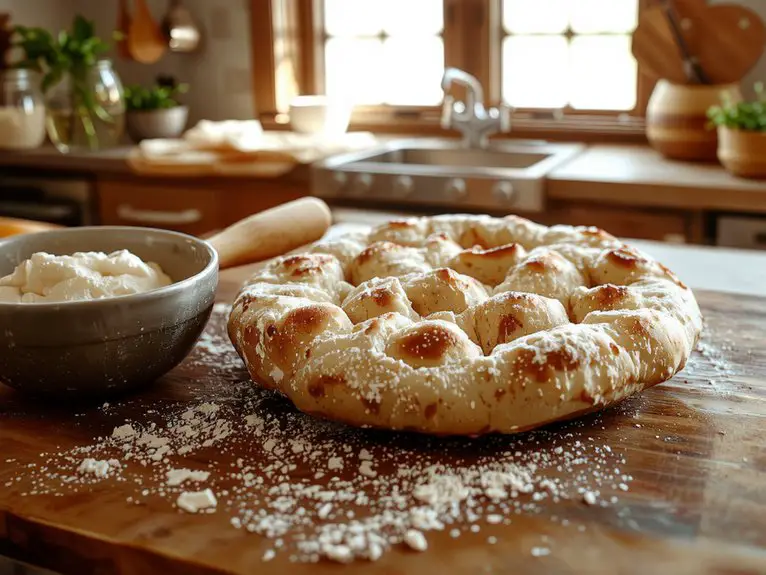
This flatbread recipe is a total game-changer—soft, pillowy, and bursting with flavor, it’s the kind of homemade bread that will make you forget store-bought options ever existed.
The secret? A simple mix of pantry staples transformed into something magical with just a bit of kneading and patience.
Freshly baked, it’s got that irresistible golden crust on the outside and a tender, chewy interior that’s perfect for tearing apart and sharing.
Whether you’re topping it with herbs and olive oil or pairing it with your favorite dips, this flatbread brings a homemade touch to any meal.
Trust me, once you try it, you’ll wonder why you didn’t start baking your own bread sooner.
Let’s get rolling—literally!
Ingredients
Great flatbread starts with simple, quality ingredients—no fancy pantry staples required. The magic lies in how you use them. Here’s what you’ll need, plus pro tips to nail the texture and flavor every time:
- All-purpose flour – The backbone of your dough. For extra chew, swap in bread flour, but AP works perfectly.
- Warm water – Not hot! Around 110°F (43°C) wakes up the yeast without killing it.
- Active dry yeast – The leavening hero. Instant yeast works too—just skip the proofing step.
- Olive oil – Adds richness and keeps the dough supple. Don’t sub with vegetable oil; the flavor matters.
- Salt – Non-negotiable. Without it, your flatbread will taste bland, no matter the toppings.
- Sugar or honey (optional) – Just a pinch to feed the yeast. Skip if you prefer a savory-only base.
Little wins:
- Dust your work surface with semolina flour for a crisp bottom and rustic look.
- Fresh herbs or garlic powder in the dough? Yes, please—kicks flavor up a notch.
How to Make the Best Flatbread Baking Instructions
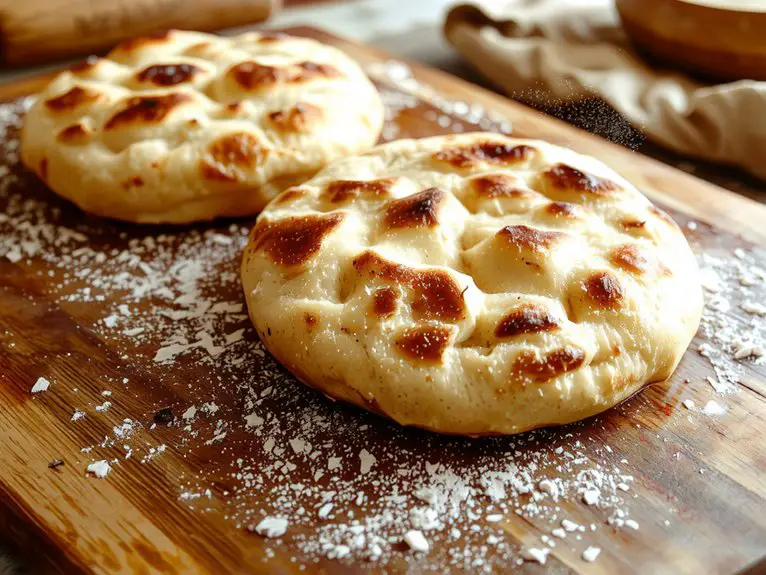
– Keep warm: Stack cooked flatbreads under a towel to stay soft.
*Time-saving trick: Double the batch and freeze extras for later!*
– Serve immediately: Enjoy warm with dips, spreads, or as a wrap.
*Pro tip: Brush with melted butter or garlic oil for extra flavor.*
Nutrition
This homemade flatbread is a simple and nutritious option. Here’s the nutritional breakdown per serving.
| Nutrient | Amount per Serving |
|---|---|
| Calories | 180 kcal |
| Carbohydrates | 30 g |
| Protein | 5 g |
| Fat | 4 g |
| Fiber | 2 g |
| Sodium | 200 mg |
Chef Tips
With a bit of practice and attention to detail, I’ve found that making flatbread at home can be both easy and rewarding.
I always warm my pan before cooking and dust it lightly with flour to prevent sticking. Rolling the dough thin guarantees it cooks evenly, and I flip it frequently for a golden finish.
Letting the dough rest before shaping makes it easier to handle.
Frequently Asked Questions
What Flour Works Best for Flatbread?
I’ve found all-purpose flour works best for flatbread—it’s versatile and gives a soft, chewy texture. Sometimes I use whole wheat flour for a nuttier flavor, but it’s denser, so I often mix it with all-purpose.
Can I Make Flatbread Gluten-Free?
Yes, you can make gluten-free flatbread! I swap regular flour for a gluten-free blend, usually with xanthan gum for elasticity. My favorite mix is rice flour with tapioca starch—it gives a great texture without gluten.
How Long Does Flatbread Dough Need to Rest?
I’d let the flatbread dough rest for at least 30 minutes, but an hour’s better. It relaxes the gluten, making it easier to roll out. I’ve found longer rests give it a softer, chewier texture.
Can I Freeze Homemade Flatbread?
Yes, I can freeze homemade flatbread. I let it cool completely, wrap it tightly in plastic or foil, and store it in a freezer bag. It’ll keep for up to three months if I seal it well.
What’s the Best Way to Reheat Flatbread?
I’d reheat flatbread in a dry skillet over medium heat for 1-2 minutes per side. You can also warm it in the oven at 350°F for 5 minutes. Avoid microwaving—it’ll make it chewy.