The Best Homemade Pretzel Recipe
Recipe
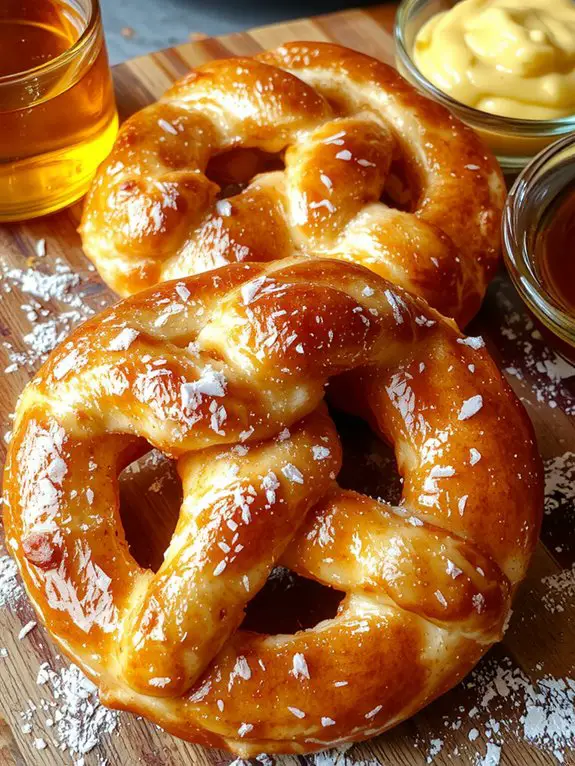
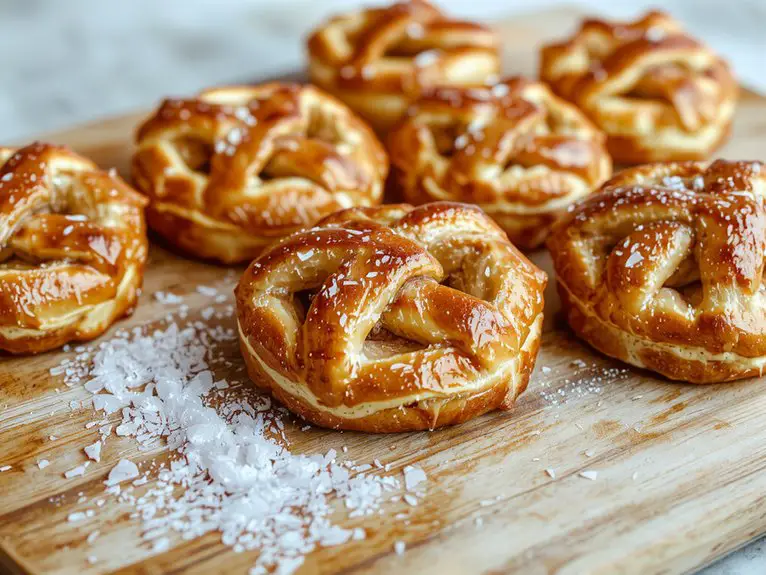
I can confidently say this homemade pretzel recipe will blow your mind—it’s soft, chewy, and has that irresistible golden-brown crust you crave. What makes them so special? A quick dip in a baking soda bath before baking, which gives them that iconic pretzel flavor and texture.
Every bite is a perfect balance of salty, doughy goodness with just the right amount of crunch. Whether it’s for game day, a snack, or just because, these pretzels are a crowd-pleaser every single time.
Trust me, once you taste them fresh out of the oven, you’ll never want to buy store-bought again. Let’s get baking!
Ingredients
Great pretzels start with the right ingredients—each one plays a key role in achieving that chewy, golden-brown perfection. Here’s what you’ll need, plus insider tricks to nail the texture and flavor:
For the Dough:
- Bread flour – The high protein content gives pretzels their signature chew. All-purpose works, but bread flour is the game-changer.
- Warm water (110°F) – Too hot kills the yeast; too cold slows it down. Use a thermometer for foolproof results.
- Active dry yeast – Instant yeast works too (use the same amount, no proofing needed).
- Brown sugar – Adds a subtle depth. White sugar or honey are fine swaps, but brown sugar caramelizes better.
- Salt – Non-negotiable. It balances the sweetness and enhances flavor.
- Unsalted butter – Melted for richness. Oil can sub in, but butter adds that bakery-style taste.
For the Pretzel Bath (The Secret to Shine & Crust):
- Baking soda – A must for that classic pretzel crust. Some swear by food-grade lye (for pros only—it’s caustic!).
- Hot water – Helps the baking soda dissolve evenly for consistent browning.
For Topping:
- Coarse salt – Pretzel salt or flaky sea salt sticks best. Table salt will dissolve too quickly.
- Melted butter (optional but highly recommended) – Brushed on fresh from the oven for extra richness.
Pro Tip: If you want a darker, glossier crust, add 1 tbsp of barley malt syrup (or molasses) to the pretzel bath—it’s the secret many commercial bakeries use!
How to Make the Best Pretzel Recipe Title
- Activate the yeast: Dissolve yeast and sugar in warm water (110°F/45°C). Let sit for 5–10 minutes until foamy. This confirms the yeast is alive and ready to work its magic in the dough.
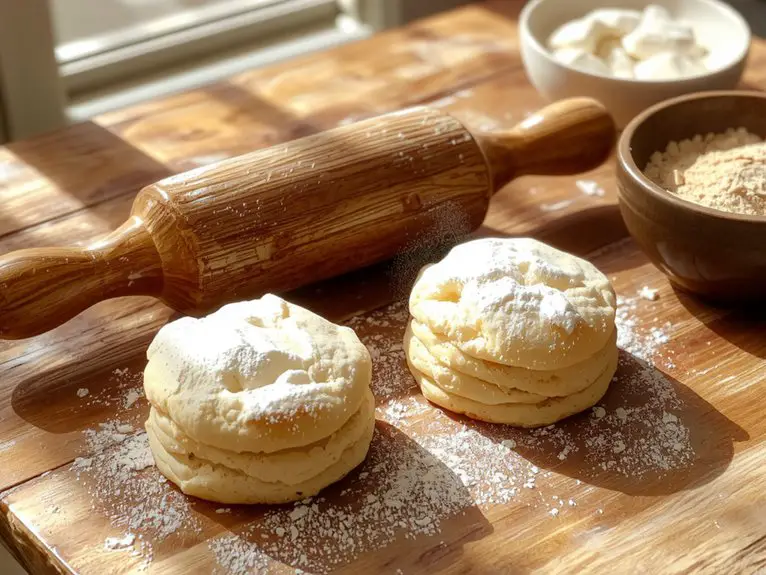
- Mix the dough: Combine flour and salt in a large bowl, then add the yeast mixture and melted butter. Stir until a shaggy dough forms.
The butter adds richness, but make sure it’s cooled slightly to avoid killing the yeast.
– Knead until smooth: Turn the dough onto a floured surface and knead for 5–7 minutes until elastic. Proper kneading develops gluten for that classic pretzel chew.
If the dough feels sticky, add a sprinkle of flour—but don’t overdo it!
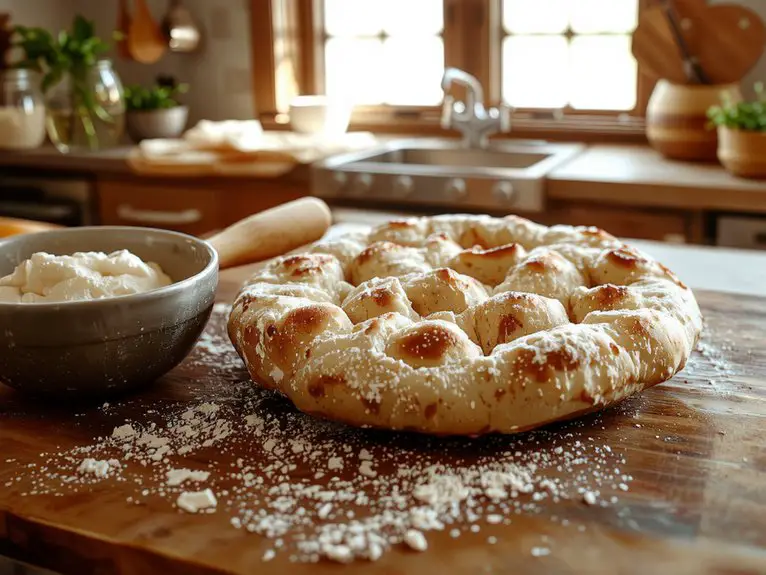
– Let it rise: Place the dough in a greased bowl, cover with a towel, and let rise in a warm spot for 1 hour or until doubled.
No rush—this slow rise builds flavor.
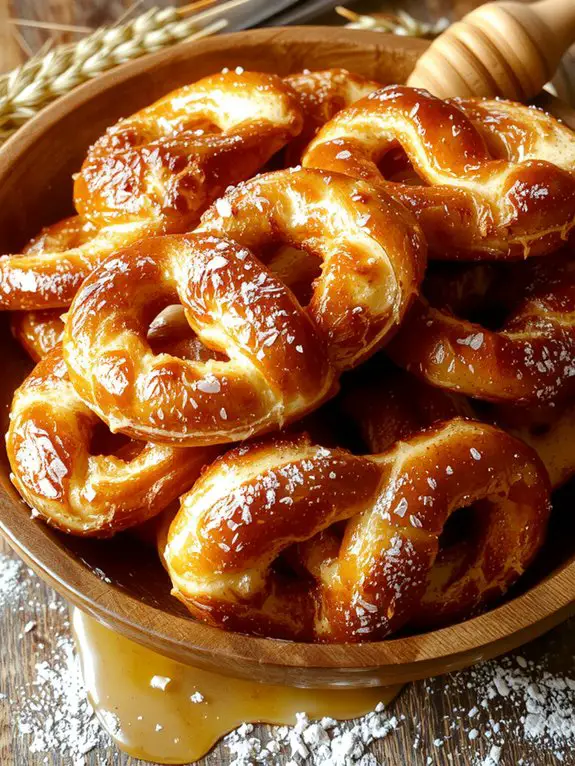
– Shape the pretzels: Divide the dough into 8–12 pieces, roll each into a rope, and twist into pretzel shapes.
Keep ropes even for uniform baking. Pro tip: Dampen your hands lightly to prevent sticking.
– Boil for that signature crust: Bring water and baking soda to a gentle boil. Dip each pretzel for 20–30 seconds.
This step gives pretzels their glossy, chewy exterior. Handle carefully—they’re delicate post-boil!
– Bake to golden perfection: Transfer pretzels to a parchment-lined tray, sprinkle with coarse salt, and bake at 425°F (220°C) for 12–15 minutes until deep golden brown.
Watch closely—overbaking dries them out.
– Cool slightly before serving: Let pretzels rest for 5 minutes on a rack.
They’re best warm, but patience prevents burns! Serve with mustard or cheese dip for the full experience.
Flexibility: For softer pretzels, reduce baking time by 2–3 minutes. For extra crunch, brush with melted butter right after baking.
Nutrition
This homemade pretzel recipe offers a delicious snack with a satisfying crunch. Below is the nutritional breakdown per serving.
| Nutrition | Per Serving |
|---|---|
| Calories | 290 kcal |
| Total Fat | 3.5g |
| Saturated Fat | 1g |
| Cholesterol | 5mg |
| Sodium | 480mg |
| Total Carbs | 55g |
| Dietary Fiber | 2g |
| Sugars | 1g |
| Protein | 8g |
Chef Tips
When making pretzels, I’ve found that boiling them in baking soda water before baking is key to achieving that classic chewy exterior.
I also recommend using high-gluten flour for extra texture and letting the dough rest for at least an hour.
Don’t skip brushing them with melted butter after baking—it adds flavor and shine.
Finally, sprinkle coarse salt generously for that signature pretzel taste.
Frequently Asked Questions
Can I Use Whole Wheat Flour Instead of All-Purpose Flour?
You can use whole wheat flour, but your pretzels will be denser and nuttier. I’d recommend replacing only half the all-purpose flour with whole wheat to keep them light. The texture and rise might differ slightly.
How Do I Store Leftover Pretzels to Keep Them Fresh?
I store leftover pretzels in an airtight container or tightly wrapped in plastic to keep them fresh. If I want them to last longer, I freeze them in a freezer-safe bag and reheat when needed.
Can I Make the Dough Ahead of Time and Refrigerate It?
Yes, I can make the dough ahead of time and refrigerate it. I’ll wrap it tightly in plastic wrap or place it in an airtight container, and it’ll keep in the fridge for up to 24 hours.
What’s the Best Way to Reheat Pretzels?
I’d reheat pretzels in a 350°F oven for 5-10 minutes to keep them crispy. If I’m in a hurry, I’ll microwave them for 15-20 seconds, but they’ll get softer. A quick toast works too.
Can I Freeze the Pretzels After Baking?
Yes, I can freeze them after baking. Just let them cool completely, then wrap them tightly in plastic or foil before storing in an airtight container. They’ll stay fresh for up to a month.