The Best Homemade Italian Bread Recipe
Recipe
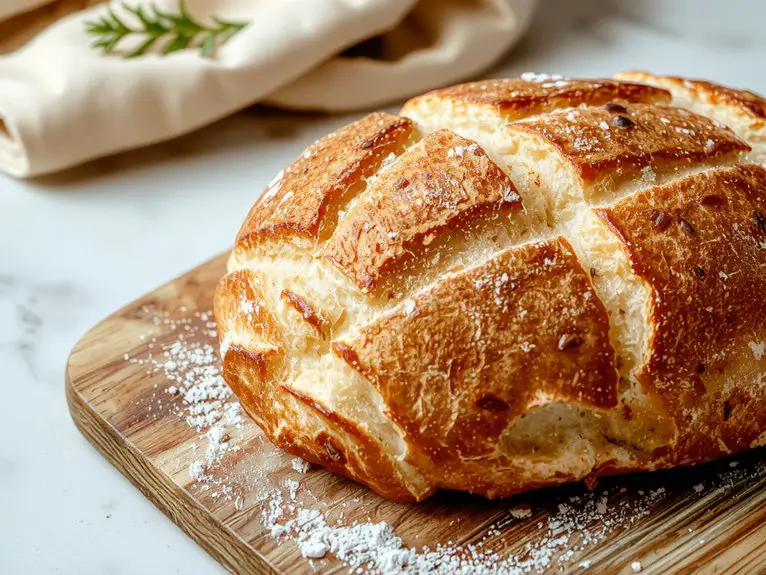
If you’ve ever dreamed of baking bread that smells like an Italian bakery and tastes like a slice of homemade heaven, this is the recipe for you. Made with just a handful of simple ingredients—flour, yeast, salt, water, and a little olive oil—this Italian bread is rustic, crusty, and impossibly soft inside.
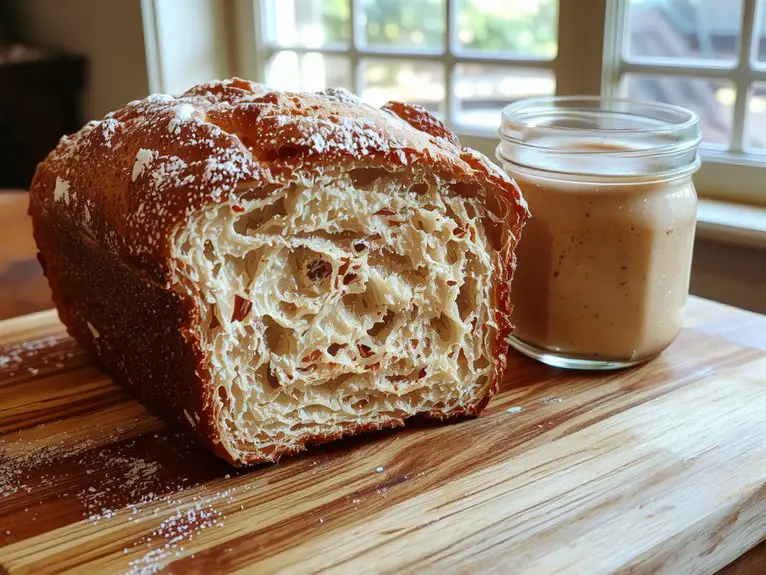
The secret? Letting the dough rise slowly to develop that deep, yeasty flavor and its signature airy texture. Trust me, once you pull this golden loaf out of the oven, crack into its crisp crust, and breathe in that warm, comforting aroma, you’ll never want store-bought bread again.
It’s perfect for mopping up pasta sauce, slicing for sandwiches, or just enjoying with a smear of butter. No fancy equipment needed—just your hands, a little patience, and the love of great bread. Let’s make it happen!
Ingredients
Creating the perfect Italian bread starts with high-quality ingredients that bring out its signature crusty exterior and soft, airy interior. Here’s what you’ll need, plus some expert tips to guarantee your bread turns out bakery-worthy every time.
- All-purpose flour: The backbone of the dough. For a chewier texture, you can substitute up to half with bread flour.
- Instant yeast: Works quickly and doesn’t require proofing. Active dry yeast can be used; just activate it in warm water first.
- Warm water: Around 110°F (43°C)—the perfect temperature to activate the yeast without killing it.
- Olive oil: Adds richness and moisture to the dough. Don’t skip it—this is what gives Italian bread its signature tenderness.
- Sugar: Just a pinch to feed the yeast and help the dough rise. Honey or maple syrup can be used as alternatives.
- Salt: Essential for flavor. Use fine sea salt or kosher salt, but avoid iodized salt as it can leave a metallic taste.
- Cornmeal (optional): For dusting the baking sheet to prevent sticking and add a subtle crunch to the crust.
Non-negotiables: Fresh yeast and quality olive oil are critical for authentic flavor and texture. If you can, splurge on a good bottle of olive oil—it makes all the difference.
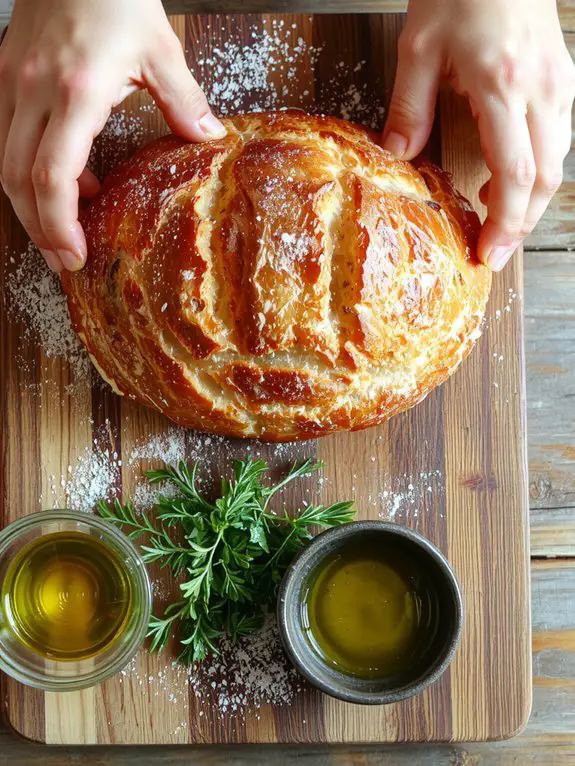
Little wins: Brush the crust with olive oil or water before baking for an extra golden, crispy finish. Adding a pan of water in the oven creates steam, giving you that classic crackly crust.
How to Make the Best Crusty Italian Bread Recipe
– Activate the yeast first. Dissolve 1 packet of active dry yeast in 1 cup of warm water (110°F) with a pinch of sugar. Wait 5–10 minutes until it’s frothy—this confirms your yeast is alive and kicking.
Pro tip: If it doesn’t foam, your yeast is likely dead, and you’ll need to start over.
– Mix the dough. In a large bowl, combine 3 cups of bread flour, 1 ½ teaspoons of salt, and the activated yeast mixture. Stir until it forms a shaggy dough.
Watch out for overmixing at this stage; just combine until no dry flour remains.
– Knead thoroughly. Turn the dough onto a floured surface and knead for about 10 minutes until it’s smooth and elastic. This develops the gluten, giving your bread that chewy texture.
If the dough sticks too much, add flour sparingly—too much can make it dry.
– First rise. Place the dough in a lightly oiled bowl, cover with a damp towel, and let it rise in a warm spot for 1–1.5 hours until it doubles in size.
A quiet oven (turned off) is a great spot for consistent warmth.
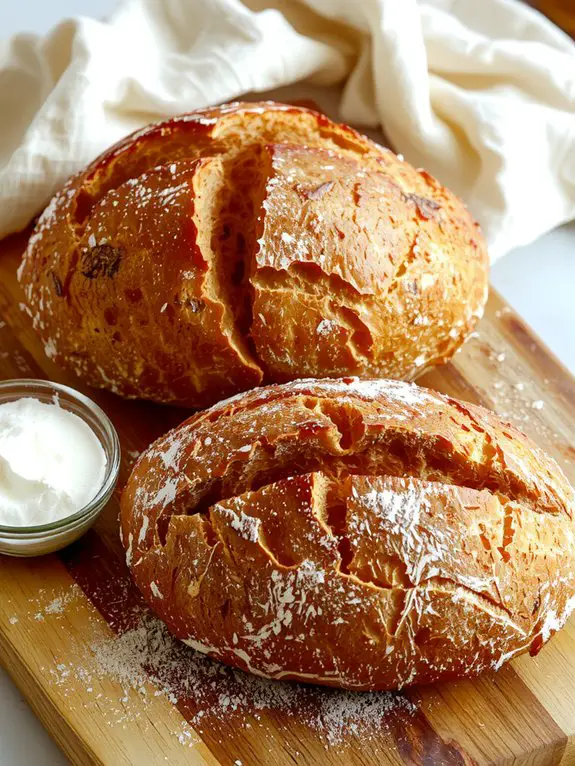
– Shape the loaf. Punch down the dough to release air bubbles, then shape it into a long loaf or round boule. Place it on a parchment-lined baking sheet or in a greased loaf pan.
Pro tip: Score the top with a sharp knife for that classic artisanal look.
– Second rise. Cover the shaped dough and let it rise again for 30–45 minutes until puffy. This guarantees a light, airy crumb.
Don’t rush this step—patience pays off!
– Preheat and prep. Preheat your oven to 375°F (190°C) while the loaf rises.
For a crustier loaf, place a pan of water on the bottom rack to create steam during baking.
– Bake. Bake for 25–30 minutes until the bread is golden brown and sounds hollow when tapped on the bottom.
If you have a thermometer, the internal temperature should read 190°F.
– Cool completely. Let the bread cool on a wire rack for at least 20 minutes before slicing.
Cutting too soon can cause the crumb to compress—resist the urge!
Nutrition
This homemade Italian bread is both delicious and nutritious. Here’s the nutritional breakdown per serving.
| Calories | 150 kcal |
|---|---|
| Protein | 4 g |
| Fat | 1 g |
| Carbs | 30 g |
| Fiber | 1 g |
| Sugar | 1 g |
| Sodium | 300 mg |
Chef Tips
Making this Italian bread even better starts with a few simple tricks I’ve picked up over the years. First, let the dough rise in a warm spot—it’ll double faster.
Knead it just until smooth; overworking makes it tough.
Brush with olive oil before baking for a golden crust.
Finally, tap the loaf’s bottom—if it sounds hollow, it’s done. Trust me, these small steps make all the difference.
Frequently Asked Questions
Can I Use a Bread Machine for This Recipe?
Yes, I can use a bread machine for this recipe. I’d follow the machine’s instructions for dough settings, then shape and bake the bread in the oven for that traditional crust and texture. It’s super convenient!
How Do I Store the Bread to Keep It Fresh?
I’ll store my bread in a paper bag to keep the crust crisp or wrap it in a clean cloth for short-term freshness. For longer storage, I’ll use an airtight bag and freeze it, then thaw at room temperature.
Can I Freeze This Italian Bread?
Yes, I can freeze this Italian bread. I’d slice it first, wrap it tightly in plastic, then foil, and pop it in the freezer. When I want it, I’ll thaw it at room temp or reheat it straight from frozen.
What if I Don’T Have a Stand Mixer?
I don’t have a stand mixer, so I knead the dough by hand. It takes a bit more effort, but I find it’s just as effective. I mix the ingredients first, then knead until smooth and elastic.
Can I Make This Recipe Gluten-Free?
I’d swap regular flour for a gluten-free blend, but I’d add xanthan gum to mimic gluten’s texture. I’ve found gluten-free bread can be denser, so I’d adjust liquids and expect a different result than traditional Italian bread.