The Best Homemade Sourdough Focaccia Recipe

Recipe
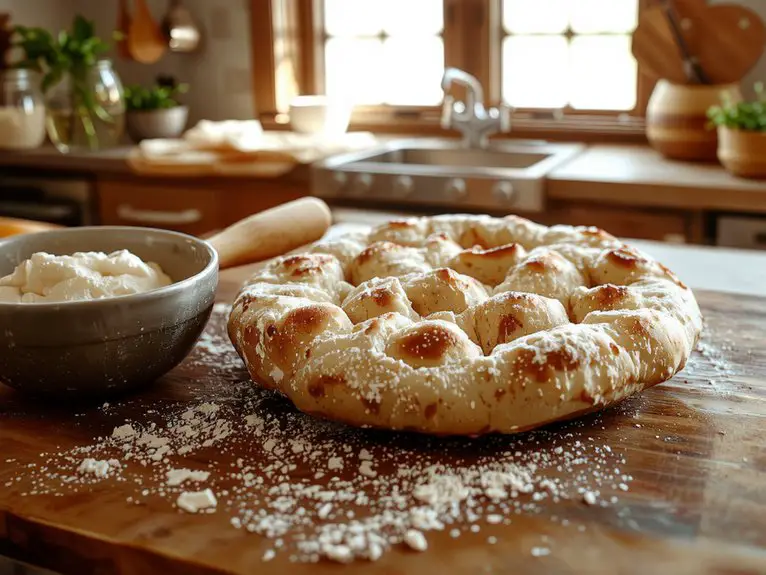
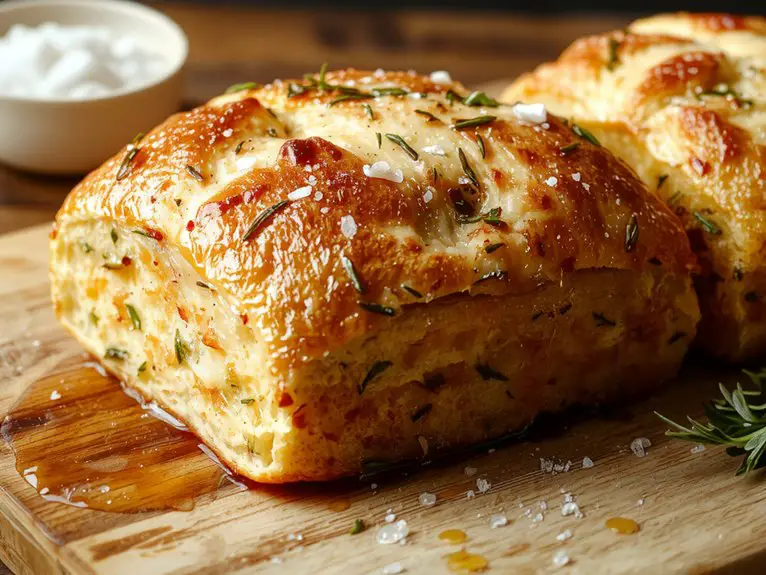
This sourdough focaccia is the kind of bread that makes you wonder why you’d ever buy it from a bakery. Crispy, golden edges give way to an unbelievably airy, chewy interior, all topped with a generous drizzle of olive oil and flaky sea salt.
What sets it apart? The tangy depth of sourdough starter paired with a slow fermentation process that transforms simple ingredients into something extraordinary. Trust me, once you smell it baking and taste that first warm slice, you’ll be hooked.
Whether you’re a sourdough pro or just starting out, this recipe is straightforward, forgiving, and downright delicious. Perfect for tearing apart with friends or savoring solo, it’s bread that feels like a warm hug from the kitchen.
Ingredients
The secret to a truly unforgettable sourdough focaccia lies in the quality of your ingredients—each one plays a starring role in creating that crisp crust, airy crumb, and deep, tangy flavor.
Don’t skimp on the good stuff, but know where you can flex if needed.
For the Dough:
- 500g bread flour – High-protein flour gives structure and chew. All-purpose works, but the texture won’t be as robust.
- 350g water – Lukewarm (about 80°F) to keep your sourdough starter happy.
- 100g active sourdough starter – The heart of the recipe! Verify it’s bubbly and ripe for maximum rise and flavor.
- 10g salt – Fine sea salt dissolves evenly. Table salt can taste harsh.
- 25g extra-virgin olive oil – Use the fruity, good stuff—it infuses the dough with richness.
For Topping & Pan:
- 50g extra-virgin olive oil – Generously coat the pan and drizzle over the dough for that iconic crispy bottom and golden top.
- Flaky sea salt – A must for finishing. It adds texture and enhances every bite.
- Fresh rosemary or thyme – Herbs are optional but highly recommended for aromatic depth.
Pro Tip: If your starter isn’t ready, substitute with 2g instant yeast + 50g water, but expect less tang.
For extra flavor, let the dough cold-ferment overnight in the fridge.
How to Make the Best Authentic Focaccia Technique

Transfer the dough to a generously oiled baking pan. Use your fingertips to gently stretch the dough to fit the pan, being careful not to deflate it. Let it rest for 1–2 hours until it’s slightly puffed up again.
Dimple the dough with your fingertips. Press firmly but gently to create deep indents across the surface. This helps trap olive oil and creates the focaccia’s classic texture.
Drizzle with olive oil and sprinkle with toppings. Add flaky sea salt, fresh herbs, or other toppings of your choice. Be generous with the olive oil—it’s key to that golden, crispy crust.
Bake in a preheated oven at 425°F (220°C) for 20–25 minutes. The focaccia is done when it’s golden brown and sounds hollow when tapped. Keep an eye on it; baking times may vary slightly depending on your oven.
Cool slightly before slicing. Let it rest for 5–10 minutes to allow the flavors to settle and the crust to crisp up further. Serve warm or at room temperature for the best experience.
Pro Tip: For extra flavor, infuse your olive oil with garlic or rosemary before drizzling it over the dough.
Watch-Out Warning: Avoid overworking the dough during stretching and folding, as this can lead to a denser texture.
Flexibility: If you prefer a thicker focaccia, use a smaller pan or extend the baking time slightly.
Nutrition
This homemade sourdough focaccia is a flavorful and satisfying bread option. Below is the nutritional information per serving.
| Nutrient | Amount per serving |
|---|---|
| Calories | 180 kcal |
| Total Fat | 7 g |
| Saturated Fat | 1 g |
| Cholesterol | 0 mg |
| Sodium | 300 mg |
| Total Carbs | 24 g |
| Dietary Fiber | 1 g |
| Sugars | 1 g |
| Protein | 4 g |
Chef Tips
If you’re new to making sourdough focaccia, I’d recommend starting with a well-fed, active starter—it’ll give your dough the best rise and flavor. Don’t rush the proofing; let the dough double in size for ideal texture.
Use your fingertips to create dimples, and generously coat the surface with olive oil for a crispy crust.
Experiment with toppings, but keep it simple—rosemary and sea salt never disappoint.
Frequently Asked Questions
Can I Use All-Purpose Flour Instead of Bread Flour?
I’d say you can use all-purpose flour instead of bread flour, but the texture won’t be as chewy. The lower protein content in all-purpose flour tends to make focaccia a bit softer. It’ll still taste great!
What if My Dough Doesn’T Rise Properly?
If my dough doesn’t rise, I’ll check if my starter’s active or if the room’s too cold. I might give it more time, place it somewhere warmer, or gently fold it to encourage fermentation.
How Do I Store Leftover Focaccia?
I’ll wrap my leftover focaccia tightly in plastic or foil to keep it fresh. If I’m not eating it soon, I’ll freeze it in slices. I’ll reheat it in the oven to restore its crispiness.
Can I Freeze the Dough for Later Use?
I can freeze the dough for later use. I shape it into a ball, wrap it tightly in plastic, and store it in a freezer bag. When I’m ready, I thaw it overnight in the fridge before baking.
Why Is My Focaccia Too Dense?
My focaccia’s too dense because I didn’t give it enough time to rise or knead it properly. Overworking the dough or using too much flour can also make it heavy. I’ll let it proof longer next time.