The Best Homemade Fry Bread Recipe

Recipe
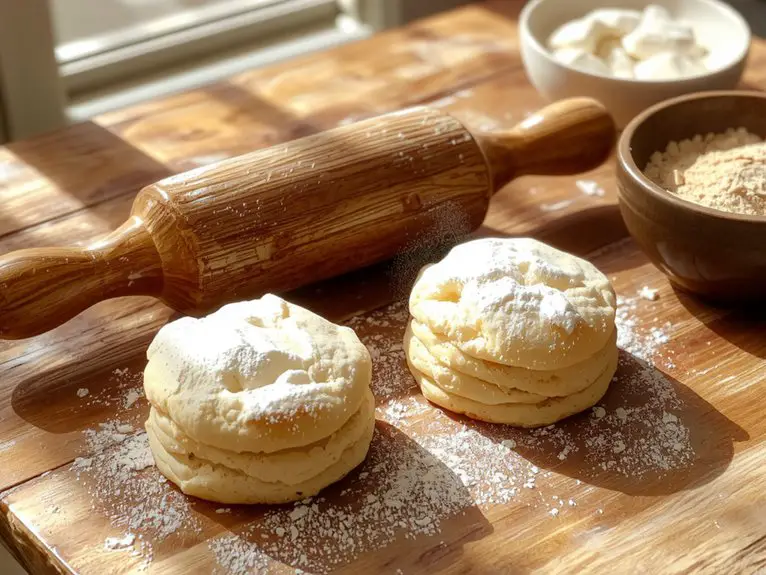
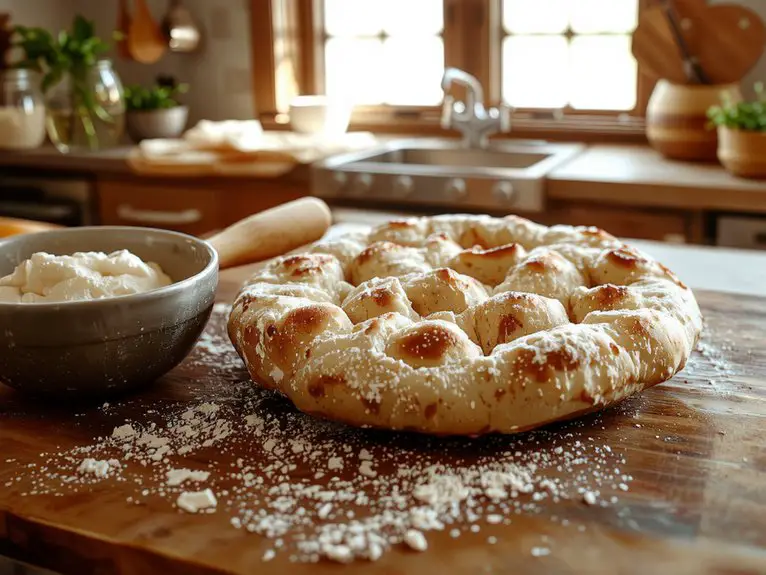
This fry bread recipe is a game-changer—soft, pillowy, and golden, it’s the kind of comfort food you’ll crave time and time again.
Made with just a handful of simple ingredients, it’s shockingly easy to whip up, yet the results are anything but ordinary.
The secret? A perfect balance of oil and heat that creates a crispy exterior while keeping the inside tender and chewy.
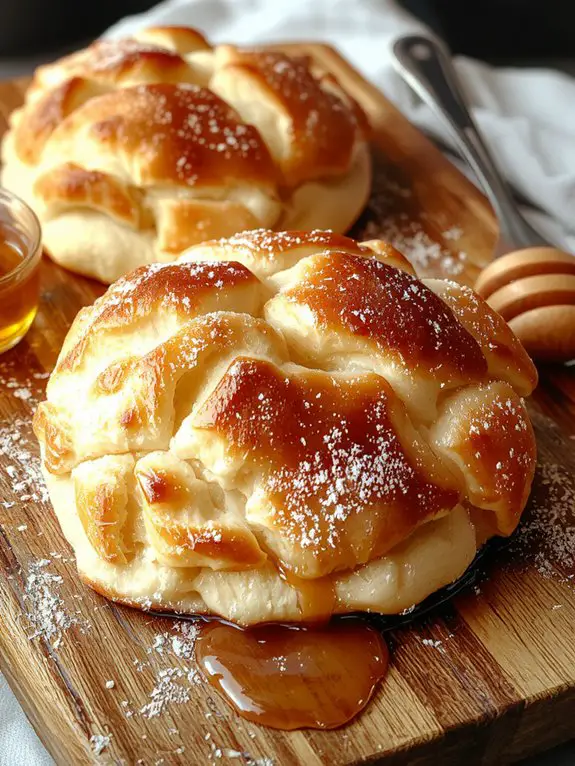
Whether you’re topping it with honey, sprinkling it with cinnamon sugar, or using it as a base for savory dishes, each bite is a nostalgic hug in food form.
I’ve been making this for years, and trust me, once you try it, you’ll understand why it’s a staple in my kitchen.
Let’s get frying!
Ingredients
The secret to perfect fry bread lies in using simple, high-quality ingredients that come together to create a pillowy, golden crust. While the recipe is straightforward, a few key elements can make all the difference in achieving that authentic texture and flavor. Here’s what you’ll need:
- All-purpose flour – The backbone of the dough; it provides the right structure and chewiness. For a lighter texture, sift it before mixing.
- Baking powder – A must-have leavening agent that gives the bread its signature puffiness. Don’t substitute with baking soda—it won’t yield the same results.
- Salt – Enhances the flavor without overpowering it. Use fine sea salt for even distribution.
- Warm water – Helps activate the ingredients and creates a smooth, workable dough. Lukewarm is ideal—too hot can kill the baking powder’s effectiveness.
- Neutral oil (like vegetable or canola) – Keeps the dough tender and moist. A little goes a long way. For frying, use the same oil for consistency.
- Optional: powdered sugar, honey, or cinnamon sugar – For topping, if you’re leaning toward a sweet version. Fresh berries or savory toppings like chili or cheese work great too.
Substitutions: If you’re out of baking powder, a mix of cream of tartar and baking soda can work in a pinch (2:1 ratio).
For a richer flavor, replace half the water with buttermilk or milk.
Pro tip: Let the dough rest for at least 30 minutes—this allows the gluten to relax, making it easier to roll out and fry to golden perfection.
How to Make the Best Authentic Navajo Fry Bread
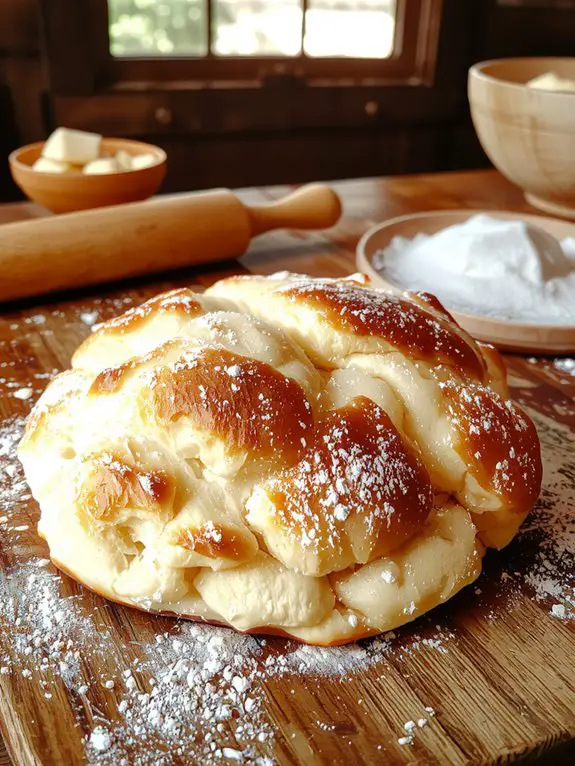
– Divide and shape – Divide the dough into equal portions (about golf ball size) and flatten each into a disc about ¼-inch thick.
Use your hands to stretch it gently—don’t worry if it’s not perfect; irregular shapes add to the charm.
– Heat oil properly – Fill a heavy skillet (like cast iron) with about 1–2 inches of oil and heat it to 375°F.
Use a thermometer to check the temperature; oil that’s too hot will burn the bread, while oil that’s too cool will make it greasy.
– Fry until golden brown – Carefully place the dough discs into the hot oil, one at a time.
Fry for about 1–2 minutes per side, flipping once, until they’re puffed up and golden brown. Watch closely—the fry time is quick!
– Drain excess oil – Remove the fry bread with a slotted spoon and place it on a paper towel-lined plate or wire rack to drain.
This step guarantees the bread stays crispy without being greasy.
– Serve warm – Fry bread is best enjoyed fresh and warm.
Top with honey, powdered sugar, or savory ingredients like beans and cheese for a versatile treat that’s as comforting as it’s delicious.
Pro Tip: If you’re making a batch, keep finished fry bread in a warm oven (200°F) while you fry the rest. This keeps them toasty without overcooking.
Watch Out: Don’t overcrowd the skillet—fry one or two pieces at a time to maintain the oil temperature and prevent uneven cooking.
Nutrition
The nutritional content of homemade fry bread can vary based on ingredients and portion size. Here’s an approximate breakdown per serving:
| Nutrient | Amount per Serving |
|---|---|
| Calories | 220 kcal |
| Total Fat | 10 g |
| Saturated Fat | 2 g |
| Cholesterol | 10 mg |
| Sodium | 300 mg |
| Total Carbohydrates | 28 g |
| Protein | 3 g |
Chef Tips
When making fry bread, I always make sure the oil’s at the right temperature—around 350°F—so it cooks evenly without absorbing too much grease.
I knead the dough just enough to keep it tender, then let it rest for 30 minutes to relax the gluten.
Don’t overcrowd the pan; fry in batches for crispier results.
Serve warm with honey or savory toppings for the best flavor.
Frequently Asked Questions
Can I Use Gluten-Free Flour for Fry Bread?
Yes, I can use gluten-free flour for fry bread. I’ve tried it before, and it works well if I add a binder like xanthan gum to mimic gluten’s texture. It’s not identical, but close enough for me.
How Do I Store Leftover Fry Bread?
I store leftover fry bread in an airtight container at room temp for a day or two. If I need it to last longer, I freeze it and reheat in the oven to keep it crispy.
Can I Make Fry Bread Ahead of Time?
I wouldn’t recommend making fry bread too far ahead—it’s best fresh. But if I need to, I’ll prep the dough, refrigerate it for a few hours, then fry it just before serving for the crispiest results.
What Oil Is Best for Frying Fry Bread?
I’d recommend using a neutral oil with a high smoke point, like vegetable or canola oil—they’re my go-to. You want something that fries evenly without overpowering the bread’s flavor. Peanut oil’s another great option if you’ve got it handy.
Why Is My Fry Bread Too Dense?
My fry bread’s too dense ’cause I overmixed the dough or didn’t let it rest enough. I’ll handle it gently, keep kneading light, and let it sit so it’s fluffy, not heavy.