The Best Homemade Bread Recipe
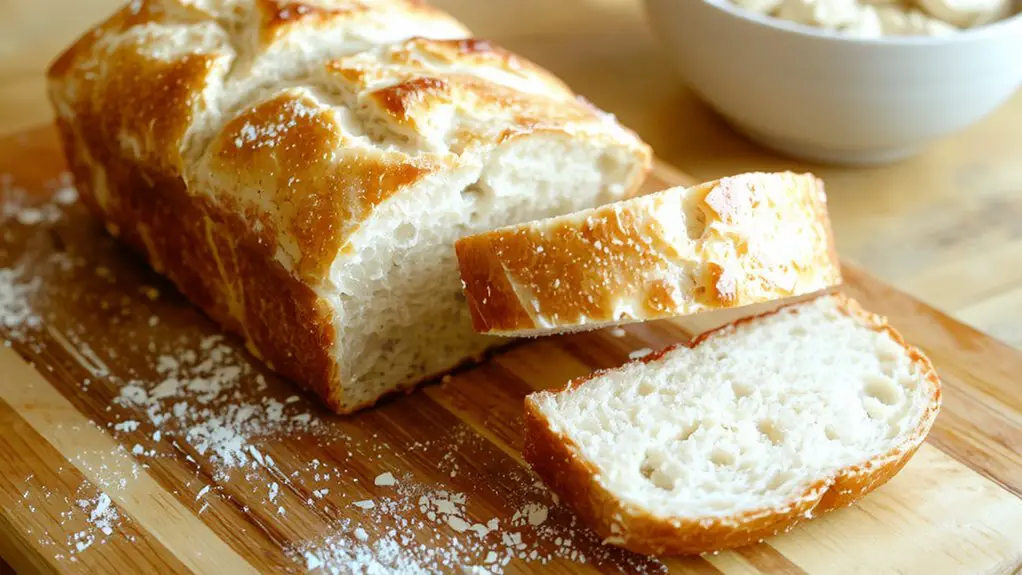
Recipe
There’s something magical about the smell of freshly baked bread filling your kitchen—warm, yeasty, and downright irresistible.
This homemade bread recipe is the real deal: crusty on the outside, soft and pillowy on the inside, and so simple you’ll wonder why you ever bought store-bought.
The secret? A little patience and a whole lot of love (plus, just five basic ingredients you probably already have).
Whether you’re a baking newbie or a seasoned pro, this loaf will make you feel like a bread-making champion.
One bite of that golden, buttery slice, and you’ll never go back to the sad, plastic-wrapped stuff again.
Let’s get baking!
Ingredients
The secret to perfect homemade bread lies in the simplicity and quality of the ingredients. Each component plays an essential role in creating that golden, crusty exterior and soft, airy interior we all crave. Let’s break it down so you can bake with confidence and even tweak the recipe to suit your pantry.
Must-Have Ingredients:
- Bread Flour: Higher protein content means better gluten development for that chewy, structured crumb. All-purpose flour works in a pinch, but bread flour elevates the texture.
- Active Dry Yeast: The powerhouse of rising. Make sure it’s fresh by testing in warm water with a pinch of sugar—if it bubbles, you’re good to go.
- Kosher Salt: Enhances flavor and controls yeast activity. Table salt can be used, but reduce the quantity slightly to avoid over-salting.
- Water: Lukewarm (around 110°F) is ideal for activating yeast. Too hot, and it’ll kill the yeast; too cold, and it won’t wake up fully.
Optional Substitutions & Enhancements:
- Olive Oil or Butter: Adding a tablespoon of fat (like olive oil or melted butter) makes the crumb softer and adds richness. Skip if you prefer a crustier loaf.
- Honey or Sugar: A teaspoon helps feed the yeast and adds a subtle sweetness. Swap with maple syrup for a unique twist.
- Whole Wheat Flour: Substitute up to half of the bread flour for a nuttier, denser loaf.
Pro Tips for Success:
- Use filtered water if your tap water has a strong chlorine taste—it can affect the yeast.
- If you’re feeling adventurous, add seeds (like sesame or flax) or herbs (like rosemary) to the dough for extra flavor and texture.
- Always measure flour by spooning it into the measuring cup and leveling it off—packing it down can lead to dense bread.
With these ingredients and tips, you’re well on your way to baking a loaf that’s as rewarding as it’s delicious.
How to Make the Best Classic White Bread Recipe
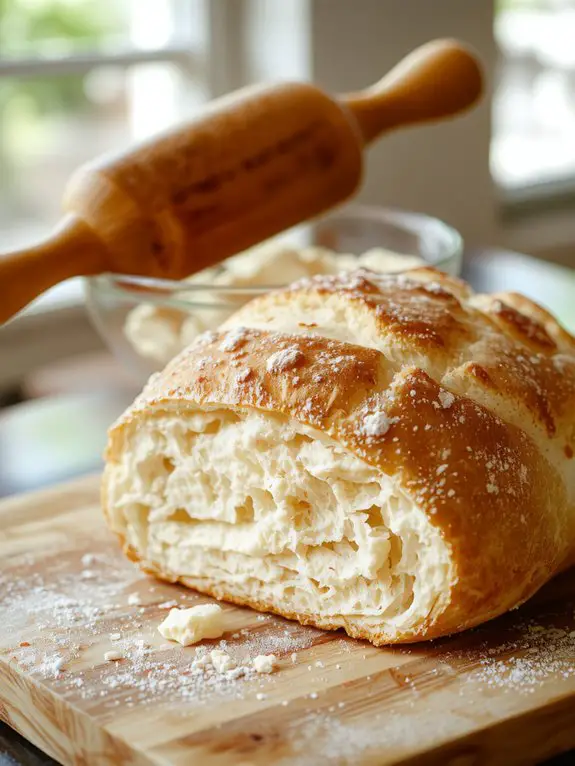
– Activate the yeast****
Start by combining warm water (around 110°F), sugar, and yeast in a large bowl. Let it sit for 5–10 minutes until it becomes frothy. This step guarantees your yeast is active and ready to help your bread rise.
Pro Tip: If your yeast doesn’t bubble, it may be expired or the water was too hot/cold—start over!
– Mix the dough****
Add room-temperature milk (warm it slightly if needed), softened butter, and salt to the yeast mixture. Gradually stir in flour, one cup at a time, until the dough begins to pull away from the sides of the bowl. Use your hands to knead it gently.
Watch-Out: Avoid adding too much flour right away; the dough should be slightly sticky but manageable.
– Knead thoroughly****
Turn the dough onto a lightly floured surface and knead for 8–10 minutes until it becomes smooth and elastic. This develops the gluten, giving your bread structure and a chewy texture.
Pro Tip: If the dough feels too sticky, add a tablespoon of flour at a time—don’t overdo it!
– Let it rise****
Place the dough in a lightly greased bowl, cover it with a damp towel or plastic wrap, and let it rise in a warm, draft-free spot for 1–1.5 hours until it doubles in size.
Why It Matters: This first rise allows the yeast to work its magic, creating air pockets for a light, fluffy loaf.
– Shape the loaf****
Punch down the dough to release air bubbles, then shape it into a loaf by rolling it into a rectangle and folding the ends under. Place it seam-side down in a greased loaf pan.
Visual Cue: The dough should fill the pan about halfway after shaping.
– Second rise****
Cover the loaf with a towel and let it rise again for 30–45 minutes until it puffs up slightly above the pan’s edges.
Flexibility: If your kitchen is cold, place the pan in a turned-off oven with a bowl of hot water to speed up the process.
– Bake to perfection****
Preheat your oven to 375°F and bake the bread for 30–35 minutes until the top is golden brown and the loaf sounds hollow when tapped on the bottom.
Pro Tip: Tent the loaf with foil halfway through baking if it’s browning too quickly.
– Cool completely****
Remove the loaf from the pan and let it cool on a wire rack for at least 30 minutes before slicing.
Why It Matters: Cutting too soon can make the bread gummy. Be patient—it’s worth the wait!
Nutrition
Homemade bread provides essential nutrients, offering a wholesome addition to any diet.
Below is the nutritional breakdown for a standard loaf.
Nutrition | Amount per Serving
Calories | 160
Total Fat | 2g
Cholesterol | 0mg
Sodium | 250mg
Total Carbohydrates | 30g
Protein | 5g
Chef Tips
If you’re new to baking bread, I’ve found that starting with simple ingredients yields the best results. Focus on mastering the basics before experimenting.
Sharpen your knife skills for clean, even slices that showcase the bread’s texture. When serving, use plating techniques to elevate presentation—pair with fresh herbs or dips for visual appeal.
Practice patience and precision; bread-making rewards attention to detail.
Frequently Asked Questions
Can I Freeze Homemade Bread?
Yes, I freeze homemade bread. I wrap it tightly in plastic, then foil, and store it in a freezer-safe bag. For thawing methods, I let it sit at room temperature or warm it in the oven.
How Long Does Homemade Bread Stay Fresh?
I’ve found that homemade bread stays fresh for about 2-3 days at room temperature. To extend its bread shelf life, I follow storage tips like wrapping it tightly in plastic or storing it in an airtight container.
Can I Use a Bread Machine for This Recipe?
Yes, I can use a bread machine for this recipe if I follow bread machine tips like adjusting water or flour ratios. If I don’t have one, machine alternatives include hand-kneading or a stand mixer.
What’s the Best Way to Store Homemade Bread?
I keep my homemade bread fresh by storing it in a bread box or wrapped in a cloth bag. For bread storage, I avoid plastic bags since they trap moisture and can make it soggy. Freshness tips include slicing only what I’ll eat immediately and freezing extra loaves if I won’t finish them quickly.
Can I Substitute Yeast With Baking Powder?
I can substitute yeast with baking powder, but it won’t work the same. Baking powder relies on chemical baking reactions for lift, while yeast alternatives like baking soda and acid create a different texture and rise in bread.