The Best Homemade Ciabatta Bread Recipe
Recipe
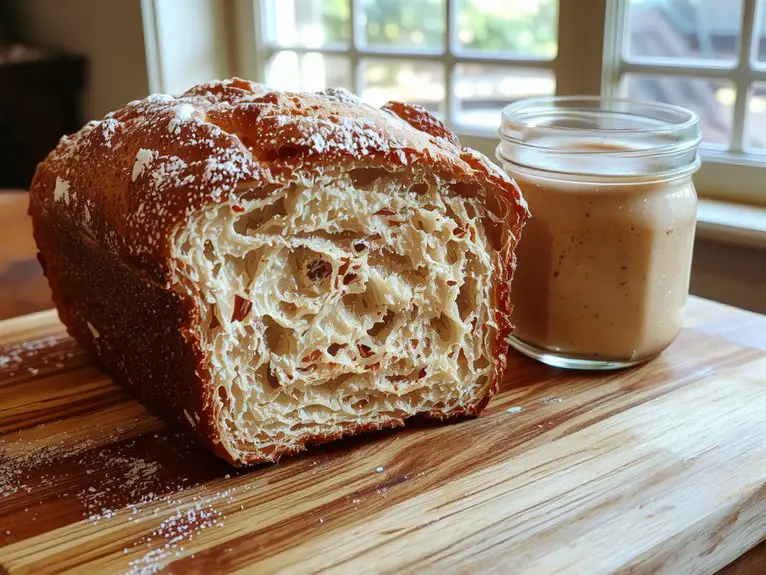
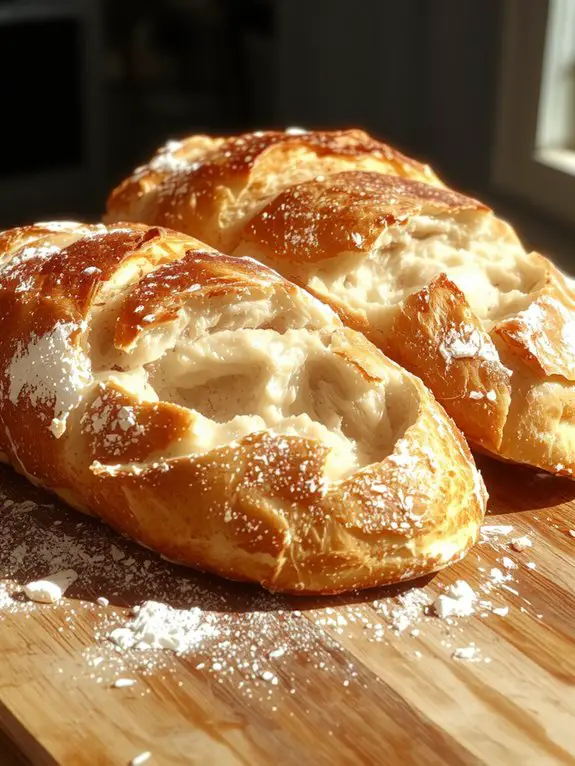
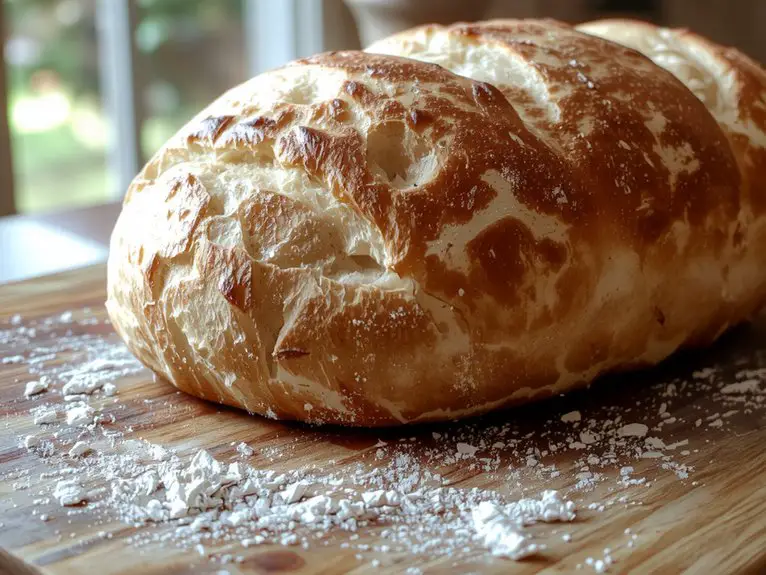
There’s something magical about biting into a slice of freshly baked ciabatta—crispy crust, chewy interior, and those signature airy pockets just waiting to soak up olive oil or hold your favorite sandwich fillings. This isn’t just any bread; it’s the kind that makes you close your eyes and savor every bite.
The secret? A simple, no-fuss dough with a long, slow rise that develops deep flavor and that perfect rustic texture. Trust me, once you taste homemade ciabatta, store-bought will never compare.
And don’t worry—it’s easier than it looks. With a little patience and a lot of love (plus that irresistible yeasty aroma filling your kitchen), you’ll be a ciabatta pro in no time. Let’s bake!
Ingredients
Crafting the perfect ciabatta bread starts with selecting the right ingredients—each one plays a vital role in achieving that signature airy crumb and crispy crust. Here’s what you need, along with insider tips to guarantee your bread turns out bakery-worthy.
- Bread Flour (Must-Have) – High protein content (12-14%) is essential for developing gluten, which gives ciabatta its structure and chew. Skip all-purpose flour—it won’t give you the same results.
- Water (Non-Negotiable) – Use lukewarm water (around 100°F) to activate the yeast. The hydration level is key to creating those irregular holes in the crumb.
- Instant Yeast – Instant yeast works faster than active dry yeast and doesn’t require proofing. If you only have active dry, bloom it in warm water first.
- Salt (Essential) – Enhances flavor and strengthens the dough. Fine sea salt is ideal for even distribution.
- Olive Oil (Optional but Recommended) – Adds richness and a subtle flavor. Use a high-quality extra virgin olive oil for the best taste.
- Semolina Flour (Optional) – Dusting your baking surface with semolina prevents sticking and adds a slight crunch to the crust.
- Optional Add-Ins – For a twist, fold in ingredients like rosemary, olives, or sun-dried tomatoes during the final shaping for extra flavor.
Pro Tip: Weigh your ingredients for precision—baking is a science, and accuracy matters, especially with flour and water ratios.
Substitutions: If bread flour isn’t available, you can substitute with all-purpose flour, but expect a denser crumb. For a gluten-free version, use a high-quality gluten-free flour blend designed for bread.
Little Wins: Sprinkle a pinch of coarse sea salt on top before baking for a gourmet touch.
With these ingredients and tips, your ciabatta will be a standout—ready to impress or simply enjoy with a smear of butter.
How to Make the Best Ciabatta Recipe Steps
- Prepare your workspace: Make sure all ingredients are at room temperature, especially the water, as this aids with gluten development in the dough. Measure everything accurately for consistent results.
- Mix the dough: Combine flour, yeast, and salt in a large mixing bowl. Gradually add lukewarm water while stirring with a wooden spoon or spatula. The dough will be sticky and shaggy—this is normal and vital for ciabatta’s signature texture.
- Begin the first rise: Cover the bowl with a damp cloth or plastic wrap and let it rest in a warm spot for 1 hour. During this time, the dough will double in size and develop air pockets, which are key for the bread’s open crumb structure.
- Fold the dough: After the first rise, gently fold the dough by pulling the edges toward the center using a spatula or your hands. Be careful not to deflate it too much. This step strengthens the gluten and redistributes the yeast.
- Second rise: Let the dough rest again for another 30 minutes. This shorter rise helps finalize the dough’s structure and guarantees it’s light and airy before baking.
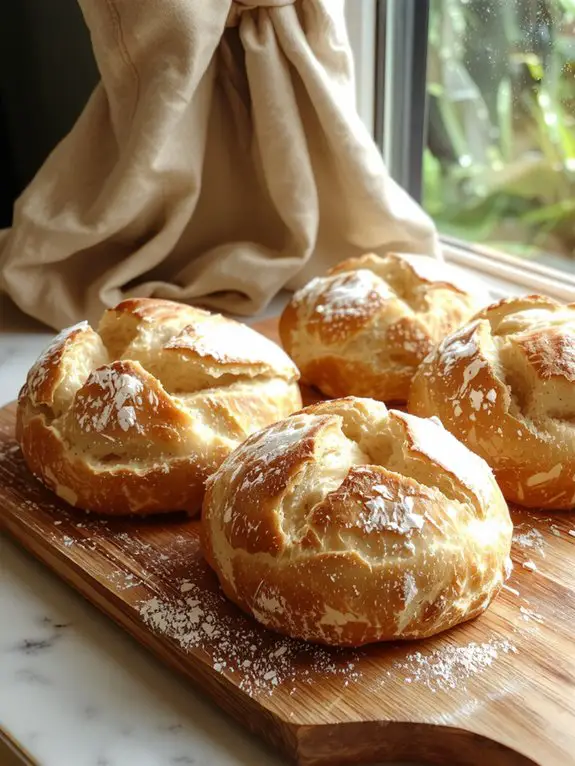
- Shape the dough: Turn the dough onto a floured surface and divide it into two or three portions using a bench scraper. Handle the dough gently to preserve the air bubbles. Shape each piece into an oblong loaf, stretching it slightly.
- Final proof: Place the shaped loaves on a parchment-lined baking sheet or a floured surface. Cover them lightly and let them proof for 20-30 minutes. They should look puffy but not fully risen—this prevents over-proofing.
- Preheat the oven: While the dough proofs, preheat your oven to 475°F (245°C) with a baking stone or sheet inside. For an extra crispy crust, place a shallow pan on the bottom rack to preheat as well.
- Score the dough: Just before baking, use a sharp knife or razor blade to make shallow diagonal slashes on the surface of each loaf. This allows the bread to expand evenly during baking.
- Bake with steam: Transfer the loaves to the preheated oven and pour hot water into the pan below to create steam. Bake for 20-25 minutes or until the crust is golden brown and sounds hollow when tapped.
- Cool completely: Remove the bread from the oven and let it cool on a wire rack for at least 30 minutes. Cutting into it too soon can cause the crumb to compress.
Pro Tip: For an extra crispy crust, mist the loaves with water before placing them in the oven.
Watch-Out: Avoid over-handling the dough, as this can deflate the air pockets and result in a denser loaf.
Flexibility: If you don’t have a baking stone, a regular baking sheet works just fine—just make sure it’s preheated for best results.
Nutrition
Ciabatta bread is a delicious Italian bread known for its crispy crust and airy texture. Here’s the nutritional information per serving:
| Nutrient | Amount per serving |
|---|---|
| Calories | 220 kcal |
| Carbohydrates | 42 g |
| Protein | 7 g |
| Fat | 1 g |
| Fiber | 2 g |
| Sodium | 400 mg |
Chef Tips
When making ciabatta, I always recommend letting the dough rest overnight; it enhances flavor and improves texture. Use a digital scale for precise measurements to guarantee consistency.
Keep your workspace lightly floured to handle the sticky dough without overworking it. Bake on a preheated baking stone or steel for a crisp crust.
Finally, don’t rush the process—patience is key to perfect ciabatta.
Frequently Asked Questions
Can I Make Ciabatta Without a Stand Mixer?
Absolutely, I can make ciabatta without a stand mixer. I’ll knead the dough by hand, stretching and folding it until it’s elastic. It might take more effort, but the result will still be delicious and airy.
How Long Does Ciabatta Stay Fresh?
Ciabatta stays fresh for about 1-2 days at room temperature if stored in a paper bag or bread box. I’d suggest freezing it if I need it to last longer—just slice it and pop it in the freezer.
Can I Freeze Ciabatta Dough?
Yes, I can freeze ciabatta dough. I’ll shape it, wrap it tightly in plastic, then seal it in a freezer bag. When I’m ready, I’ll thaw it overnight in the fridge before baking.
What’s the Difference Between Ciabatta and Sourdough?
I know ciabatta’s soft and airy with a chewy crust, while sourdough’s tangy and denser from natural fermentation. Ciabatta uses commercial yeast, but sourdough relies on a starter. Both are delicious, just different textures and flavors.
Why Is My Ciabatta Dough Too Sticky?
Your ciabatta dough might be too sticky because I’ve used too much water or didn’t measure ingredients precisely. I should knead it more to develop gluten or add a bit of flour if it’s unmanageable.