The Best Homemade Cornbread Recipe
Recipe
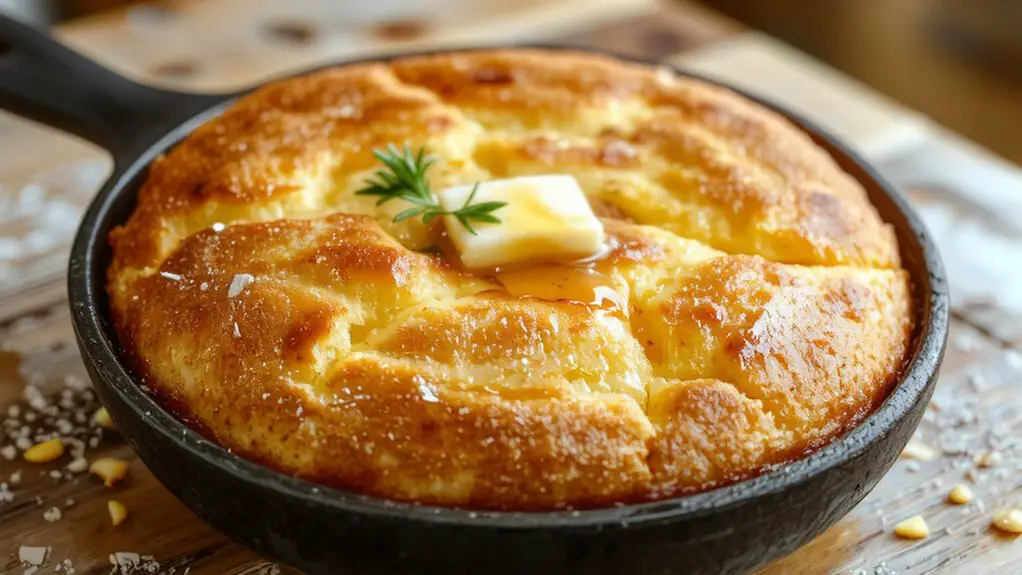
There’s nothing quite like the smell of freshly baked cornbread wafting through the kitchen—golden, buttery, and just begging to be slathered with honey or dunked into a bowl of chili.
This homemade cornbread recipe is the real deal: crispy edges, a tender crumb, and that perfect balance of sweet and savory. No dry, crumbly disappointments here—just pure, soul-warming goodness.
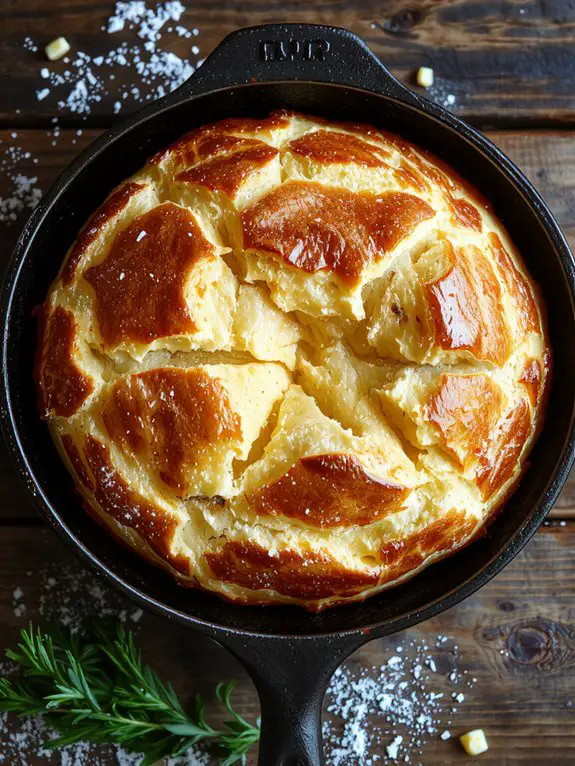
The secret? A touch of buttermilk for tang and moisture, plus a hot cast-iron skillet to give it that irresistible crust.
Whether you’re serving it up at a barbecue or just craving a cozy snack, this cornbread will have everyone reaching for seconds.
Trust me, once you try it, the boxed mix will never cross your mind again. Let’s bake!
Ingredients
Great cornbread starts with the right ingredients—each one plays a key role in achieving that perfect balance of tender crumb and crispy edges. Here’s what you’ll need, plus a few insider swaps to make it your own:
- Cornmeal (medium or fine grind) – The star of the show. Medium grind gives classic texture, but fine works if you prefer a smoother bite. *Avoid* coarsely ground—it’s too gritty.
- All-purpose flour – Just enough to bind everything without making it dense. For a lighter crumb, swap in cake flour (but don’t go gluten-free unless you’re ready to tweak ratios).
- Granulated sugar – A touch sweetens the deal. Southern traditionalists might skip it, but 2-3 tbsp balances the corn’s natural earthiness.
- Baking powder + baking soda – Non-negotiables for that sky-high rise. Check the dates—old leaveners mean flat bread.
- Salt – Enhances all the flavors. Diamond Crystal is ideal; if using table salt, halve the amount.
- Buttermilk – The secret to tangy, moist crumb. No buttermilk? Mix 1 cup whole milk + 1 tbsp vinegar or lemon juice, and let it sit for 5 minutes.
- Eggs – Bind and enrich. Room temp blends smoother—just soak them in warm water for 5 minutes if you forgot to set them out.
- Unsalted butter (melted) or oil – Butter adds richness, but oil (like vegetable or coconut) keeps it extra moist. Pick your fighter.
- Honey or maple syrup (optional) – Brush warm cornbread with either for a glossy, sweet finish. *Chef’s move.*
- Cast-iron skillet – Not an ingredient, but essential for that crispy crust. No skillet? A greased 9-inch baking pan works, but preheat it for best results.
Pro tip: For next-level flavor, brown your butter first or fold in ½ cup sharp cheddar or jalapeños. Cornbread’s a canvas—make it yours.
How to Make the Best Buttermilk Cornbread Recipe
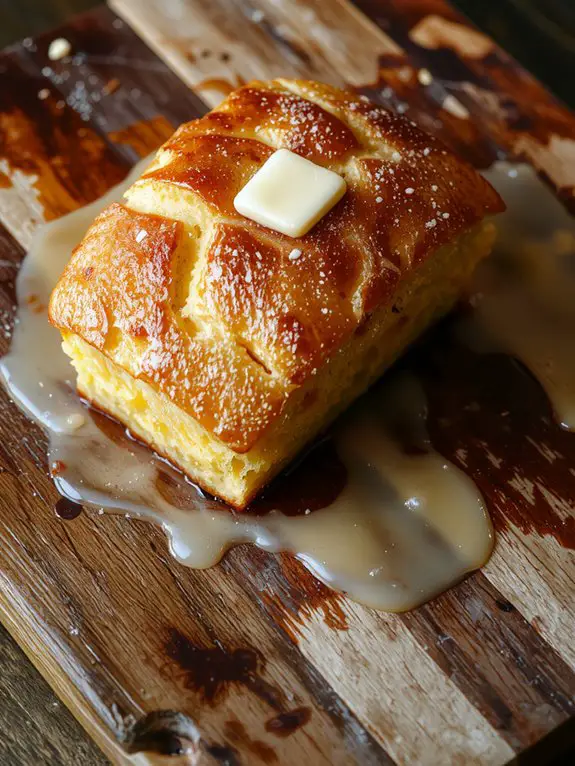
- Preheat your oven to 425°F (220°C) – A hot oven guarantees the cornbread rises beautifully and develops a golden crust.
- Grease a 9-inch cast-iron skillet or baking pan – Use butter or oil to prevent sticking and add flavor. A preheated skillet gives extra crispiness.
- Whisk dry ingredients together – In a large bowl, combine 1 cup cornmeal, 1 cup flour, 1 tbsp baking powder, ½ tsp baking soda, and ½ tsp salt. This secures even distribution of leaveners.
- Mix wet ingredients separately – In another bowl, whisk 1 cup buttermilk, ½ cup melted butter (cooled slightly), ¼ cup honey, and 1 egg. Room-temperature ingredients blend smoother.
- Combine wet and dry mixtures gently – Pour wet ingredients into dry and stir just until no flour streaks remain. Overmixing = dense cornbread!
- Fold in optional add-ins (if using) – For extra flavor, mix in ½ cup corn kernels, shredded cheese, or jalapeños. Toss add-ins in flour first to prevent sinking.
- Pour batter into the skillet – Spread evenly. For a rustic look, leave the surface slightly uneven—it’ll crisp up nicely.
- Bake for 18–22 minutes – Until golden brown and a toothpick inserted in the center comes out clean. Rotate the pan halfway for even baking.
- Cool for 10 minutes before slicing – This lets the crumb set. Serve warm with butter or honey for the best experience.
Pro Tips:
- No buttermilk? Mix 1 cup milk + 1 tbsp lemon juice/vinegar; let sit 5 minutes.
- For a lighter texture, swap ¼ cup flour for ¼ cup cornstarch.
- Test doneness early—cornbread dries out fast if overbaked!
Nutrition
Cornbread is a delicious and easy-to-make dish that can be enjoyed on its own or as a side. Here’s the nutritional breakdown per serving.
| Nutrient | Amount per Serving |
|---|---|
| Calories | 198 kcal |
| Fat | 7.6 g |
| Carbohydrates | 28.2 g |
| Protein | 3.6 g |
| Fiber | 1.2 g |
| Sugar | 8.5 g |
| Sodium | 340 mg |
Chef Tips
While making cornbread is simple, a few key tips can elevate your results. First, sharpen your knife skills—clean cuts for butter or jalapeños guarantee even distribution.
Second, master time management: preheat your skillet while mixing dry ingredients to save minutes.
I always grease the pan hot for a crispier crust. Don’t overmix the batter; lumps are fine. These small tweaks make a big difference.
Frequently Asked Questions
Can I Use Frozen Corn in This Recipe?
Yes, you can use frozen corn—just thaw it first for better texture. I’ve found that proper corn storage matters; freezing tips include patting kernels dry before freezing to avoid excess moisture in your batter.
How Do I Store Leftover Cornbread?
I wrap leftover cornbread tightly in plastic or foil for bread storage. It keeps fresh at room temperature for 1-2 days or refrigerated for a week. For cornbread preservation, I freeze slices up to 3 months.
Can I Make This Recipe Gluten-Free?
I can make this recipe gluten-free by swapping regular flour with flour alternatives like almond or coconut flour. Gluten-free baking requires careful measurement, but the texture and flavor will still be delicious and satisfying.
What Can I Substitute for Buttermilk?
If I’m out of buttermilk, I’ll mix milk with lemon juice or vinegar as a quick substitute. For dairy alternatives, I use almond or oat milk with acid. Non-dairy options like coconut yogurt also work well!
Can I Bake This in a Cast-Iron Skillet?
I’d recommend baking it in a cast-iron skillet for the best crust. Start by preheating the skillet in the oven at 425°F. Pour the batter into the hot skillet; it helps create that perfect golden edge.